GHK-Cu Peptide Guide: Properties, Mechanisms & Lab Use
Reading Time: 10 mins
Science & Medicine GLP-1 Obesity Medicine Treatment Response
Clinical Science Report The GLP-1 Non-Responder Problem: Why These Drugs Work Brilliantly for Some People—and Barely Work for Others Weight-loss injections are often presented as predictable. Biology is not.
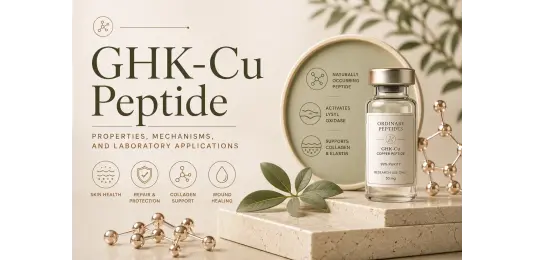
GHK-Cu Peptide Research Guide: Properties, Mechanisms, and Laboratory Applications GHK-Cu has solid topical evidence — and zero human RCTs for injections, a gap online forums treat like a footnote. This guide sticks to the research, not the hype or the viral term "copper uglies." This article is for general education only and does not replace medical advice from a licensed healthcare professional. Quick Answer
- Injectable GHK‑Cu isn't FDA‑approved and lacks human RCTs. Topical creams have moderate human‑trial evidence for wrinkles and wound healing, but the injection trend rests on animal studies and anecdotes. What it is: GHK‑Cu is a naturally occurring complex of the tripeptide glycyl‑L‑histidyl‑L‑lysine and a copper ion. Your body makes it; levels drop with age. Regulatory reality (July 2026): Injectable GHK‑Cu is not an FDA‑approved drug. The FDA removed it from Category 2 on April 15, 2026 (effective April 23), but that's not approval — it merely opens the door for a Pharmacy Compounding Advisory Committee review expected in February 2027.
- Animal studies (rats, mice, pigs) where injections at one site improved healing at distant locations Cell‑culture work showing collagen and elastin stimulation at specific concentrations Gene‑expression screens that reveal GHK‑Cu's broad influence but can't confirm a clinical benefit
- What is known — and unknown — about long‑term systemic effects, especially for injectable copper peptides? How would I monitor for injection‑site reactions, signs of copper accumulation, or sterility risks if I were using a non‑pharmaceutical product? If a product is labeled "for research use only," what specific sterility and purity guarantees are missing compared with an FDA‑registered drug? Are there well‑studied alternatives for the skin or wound concern I'm trying to address?