Settled Biology and Active Frontier
Cardiovascular research peptides occupy an unusually clean split between settled biology and active frontier. The settled side is the natriuretic peptide system: ANP and BNP signal through GC-A and cGMP to drive natriuresis and oppose cardiac fibrosis, the same pathway that underlies sacubitril/valsartan in HFrEF. The frontier is the apelin/ELABELA-APJ axis. The 2019 IUPHAR review in Pharmacological Reviews covered G-protein-biased agonists designed to reduce β-arrestin internalization in pulmonary arterial hypertension. Compounds below include SS-31, which binds cardiolipin to stabilize mitochondrial membrane potential, plus relaxin-receptor and vasodilatory peptides..
Cardiovascular Research
Showing 1–38 of 38 results
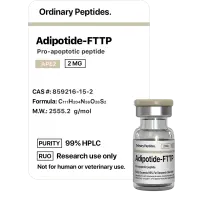
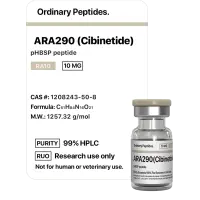
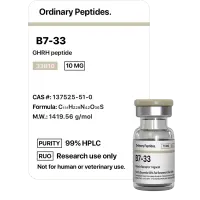
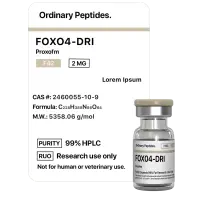
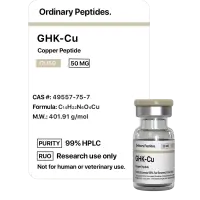
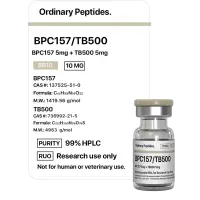
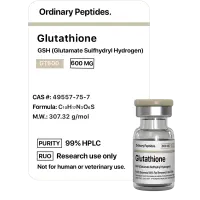
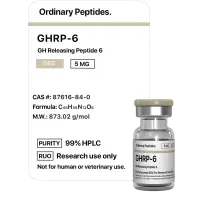
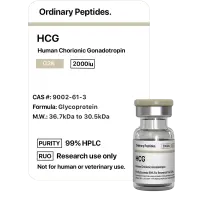
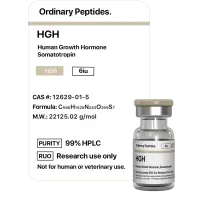
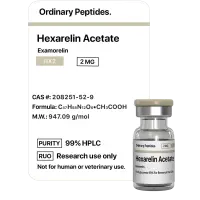
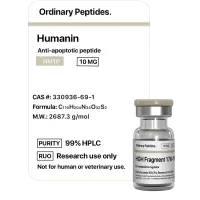
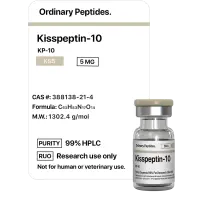
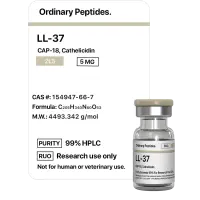
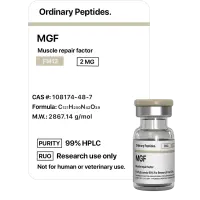
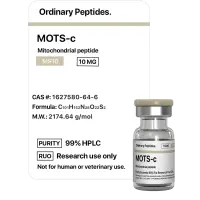
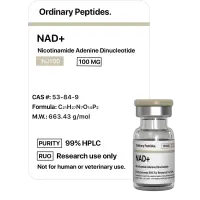
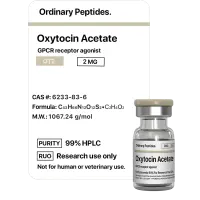
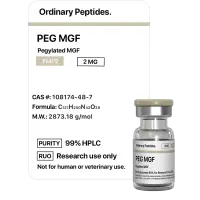

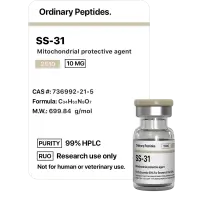
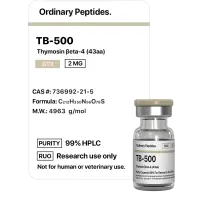
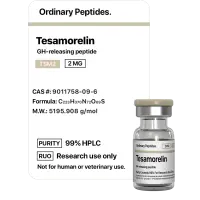
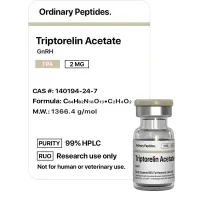
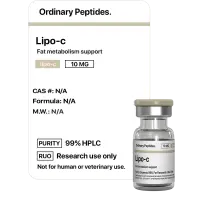
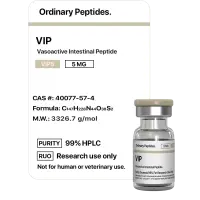
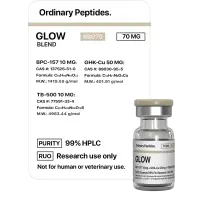
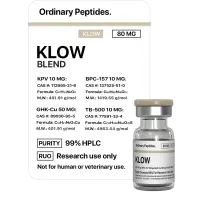
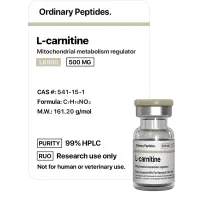
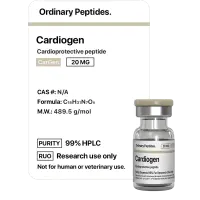
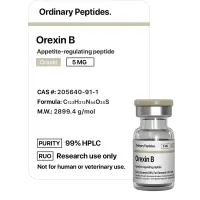
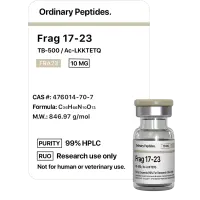
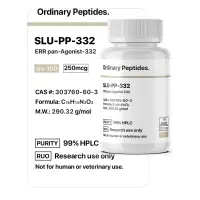

The settled/frontier split that opens this page maps onto a real structural pattern in the field. The natriuretic peptide system has roughly five decades of accumulated biology, FDA-approved therapeutics built on its biochemistry (sacubitril/valsartan, recombinant BNP), and validated diagnostic use (BNP and NT-proBNP in heart failure assessment). The apelin/ELABELA-APJ axis, by contrast, was characterized as a complete signaling system only in 2013–2017, with the first biased agonists entering preclinical development around the same window. These two clusters represent different research maturities, and they're both relevant to current peptide chemistry for different reasons.
The Natriuretic Peptide System: Why It's "Settled"
Atrial natriuretic peptide (ANP), B-type natriuretic peptide (BNP), and C-type natriuretic peptide (CNP) signal through three receptors: NPR-A (GC-A), NPR-B (GC-C), and NPR-C (clearance receptor). The dominant therapeutic pathway runs ANP/BNP → NPR-A → particulate guanylyl cyclase → cGMP → PKG → downstream effects on natriuresis, vasodilation, and anti-fibrotic signaling. Sacubitril/valsartan (Entresto) exploits this system indirectly — sacubitril inhibits neprilysin, the enzyme that degrades natriuretic peptides, raising endogenous levels rather than supplying exogenous peptide. The combination with the ARB valsartan addresses the parallel RAAS activation that neprilysin inhibition would otherwise cause. This is the canonical example of natriuretic peptide pharmacology translated to clinical use, and it underlies the "settled" framing.
The Apelin/ELABELA-APJ Axis: Why It's "Frontier"
The apelin receptor (APJ, APLNR, AGTRL1) was identified in 1993 as an orphan GPCR with sequence similarity to angiotensin AT₁. Apelin was identified as its endogenous ligand in 1998. ELABELA/Toddler was identified as a second endogenous ligand in 2013, encoded by a gene previously classified as non-coding. The 2019 IUPHAR review by Read et al. in Pharmacological Reviews (PMID 31492821) formally classified the receptor and recommended ELABELA/Toddler as a second endogenous peptide ligand. The compound research frontier centers on biased agonists — ligands that preferentially activate G-protein signaling over β-arrestin recruitment, reducing receptor internalization and prolonging activity. CMF-019 and related compounds are the most-studied small-molecule biased agonists; peptide-based biased agonists are an active design area. Pulmonary arterial hypertension is the primary indication-driven research context, since apelin signaling is downregulated in PAH and exogenous restoration shows benefit in preclinical models.
Mitochondrial Cardioprotection: The SS-31 Path
SS-31 (Elamipretide) sits on a different cardiovascular mechanism entirely. It's a synthetic tetrapeptide designed by the Szeto-Schiller group at Weill Cornell to bind cardiolipin on the inner mitochondrial membrane. Cardiolipin is a phospholipid concentrated in cristae structure and essential for electron transport chain organization. Cardiolipin oxidation and depletion accompany mitochondrial dysfunction in heart failure, ischemia-reperfusion injury, and aging cardiomyopathy. SS-31 binding stabilizes cardiolipin and supports cristae architecture. Clinical development for primary mitochondrial myopathy advanced through Phase 3 (MMPOWER-3 trial) with mixed results, and the compound remains in active investigation across multiple cardiovascular indications.
Relaxin and Vasodilatory Peptides
Relaxin family compounds occupy a smaller but distinct cardiovascular niche. Serelaxin (recombinant relaxin-2) showed early-phase signal in acute heart failure (RELAX-AHF) but missed primary endpoints in the larger RELAX-AHF-2 trial. B7-33 is a single-chain relaxin analog with biased agonism toward anti-fibrotic effects. Vasodilatory peptide work also covers adrenomedullin and CGRP-pathway compounds, which intersect with both cardiovascular and neurological research depending on context. The relaxin RXFP1 receptor signals through cAMP, ERK, and NO pathways, with effects on cardiac fibrosis, vasodilation, and renal hemodynamics studied in parallel.
Research Models Commonly Used
Cardiovascular peptide research uses well-standardized models. Heart failure: transverse aortic constriction (TAC) for pressure overload, myocardial infarction (LAD ligation) for ischemic cardiomyopathy, isoproterenol infusion for catecholamine-driven hypertrophy. Pulmonary arterial hypertension: monocrotaline rat model, SU5416 + chronic hypoxia (Sugen-hypoxia), genetic BMPR2 mutation lines. Vascular biology: HUVECs and pulmonary artery endothelial cells (PAECs) for in vitro signaling work, wire myograph and pressure myograph for vessel function. Mitochondrial: isolated cardiomyocyte preparations from neonatal or adult rats, Seahorse extracellular flux for respiration, transmission electron microscopy for cristae structure.
Frequently Asked Questions
What is biased agonism at the apelin receptor?
GPCRs typically signal through both G-protein and β-arrestin pathways, with the β-arrestin arm driving receptor internalization and desensitization. Biased agonists preferentially activate one arm over the other. At the apelin receptor, G-protein-biased agonists (like CMF-019) maintain the beneficial cardiovascular signaling — vasodilation, positive inotropy, anti-fibrotic effects — while reducing β-arrestin recruitment. This is meant to prolong effective signaling without rapid tachyphylaxis. The concept is studied as a strategy for sustained activity in chronic conditions like pulmonary arterial hypertension.
How does sacubitril/valsartan relate to natriuretic peptide research?
Sacubitril is a neprilysin inhibitor — it blocks the enzyme that degrades ANP, BNP, and other vasoactive peptides, raising their circulating levels. Valsartan is an angiotensin receptor blocker, included because neprilysin inhibition alone would also raise angiotensin II. The combination targets natriuretic peptide system enhancement while controlling parallel RAAS activation. It's the clearest example of natriuretic peptide pharmacology translated to clinical practice in heart failure with reduced ejection fraction (HFrEF), and the underlying mechanism informs much of the surrounding peptide research field.
What is the cardiolipin mechanism of SS-31?
Cardiolipin is a phospholipid found almost exclusively on the inner mitochondrial membrane, where it organizes cristae structure and stabilizes electron transport chain complexes. Under stress conditions — ischemia-reperfusion, heart failure, aging — cardiolipin is oxidized and depleted, contributing to mitochondrial dysfunction. SS-31 (Elamipretide) binds cardiolipin with high specificity, prevents oxidative damage to it, and supports cristae architecture. The result in preclinical models is improved respiratory chain efficiency and reduced reactive oxygen species production. This mechanism is distinct from antioxidant supplementation — it's structural support of mitochondrial architecture rather than ROS scavenging.
Why is the apelin axis interesting for pulmonary arterial hypertension?
Apelin and ELABELA are downregulated in patients with pulmonary arterial hypertension, and apelin receptor signaling supports endothelial function, vasodilation, and anti-proliferative effects in pulmonary vasculature. The hypothesis is that restoring apelin signaling — either through exogenous peptide, biased agonists, or stabilized analogs — may address the underlying signaling deficit rather than treating downstream symptoms. Endogenous apelin has short half-life and poor pharmacokinetics, which is part of why biased small-molecule agonists with longer activity are an active design focus. Preclinical models including monocrotaline and Sugen-hypoxia have shown supportive signal; human trials are at earlier stages.
What happened with serelaxin in heart failure trials?
Serelaxin (recombinant human relaxin-2) showed encouraging signal in the RELAX-AHF Phase 3 trial in acute heart failure, with reduced symptoms and a mortality signal at 180 days. The larger confirmatory RELAX-AHF-2 trial (n>6,500) did not meet its primary endpoint of reducing cardiovascular death at 180 days, leading to discontinuation of serelaxin's development for this indication. The relaxin biology that motivated the program — anti-fibrotic effects, vasodilation, renal hemodynamic improvements — remains a research interest, with newer approaches including biased agonists like B7-33 that aim to retain mechanism while modifying pharmacokinetics.
How does NT-proBNP differ from BNP in cardiovascular research?
BNP and NT-proBNP are both derived from the same precursor (proBNP-108), cleaved into the active BNP-32 and the inactive N-terminal fragment NT-proBNP-76. BNP is the biologically active hormone signaling at NPR-A; NT-proBNP is the inactive cleavage product with longer half-life. In clinical research and diagnostics, NT-proBNP is often the preferred biomarker because its longer half-life provides more stable measurements, though both correlate with heart failure severity. In peptide research, BNP-32 is the form studied for direct receptor pharmacology.
Reference Points for Further Reading
The 2019 IUPHAR review by Read, Nyimanu, Williams et al. in Pharmacological Reviews (PMID 31492821) is the standard reference for apelin receptor pharmacology and ELABELA biology. For natriuretic peptide system biology, the 2016 review by Goetze et al. in Nature Reviews Cardiology covers the full system. For sacubitril/valsartan clinical evidence, the PARADIGM-HF trial publication (McMurray et al., NEJM 2014) is the primary clinical reference. For SS-31 mechanism and clinical work, the Szeto lab publications at Weill Cornell cover both biochemistry and trial design. The 2026 Cells review on the apelin receptor in PAH pathophysiology represents the most recent overview of the frontier research direction.
All compounds in this catalog are intended for in vitro and preclinical research use only. None are approved by the FDA or any other regulatory authority for therapeutic use in humans. Clinical trial data referenced on this page describes research conducted with approved or investigational pharmaceutical products (sacubitril/valsartan, serelaxin, elamipretide) and is provided as scientific context, not as claims for the research compounds offered here.