Metabolic Research
Showing 1–45 of 47 results
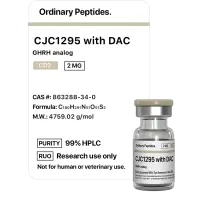
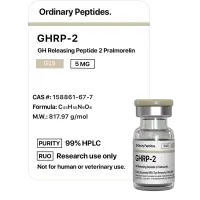
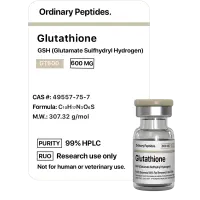
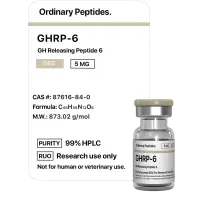
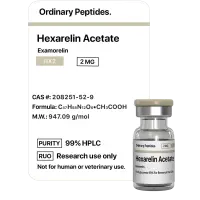
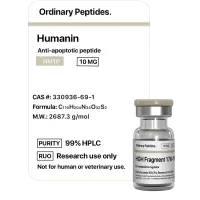
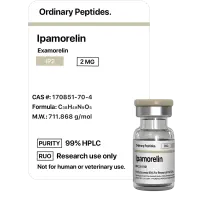
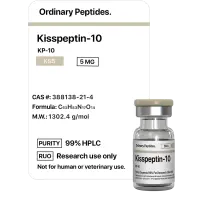

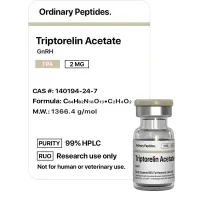
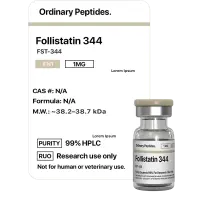
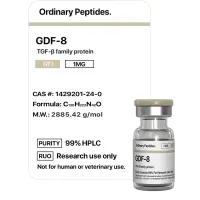
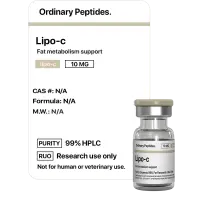
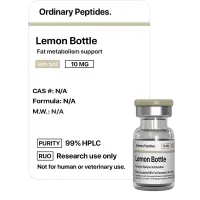
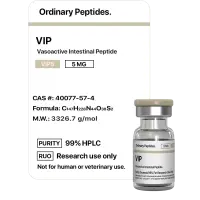
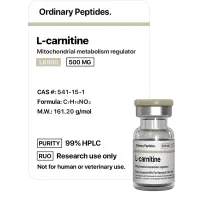
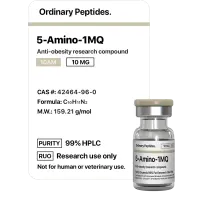
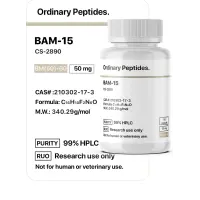
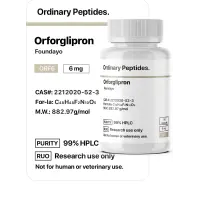
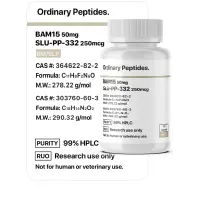
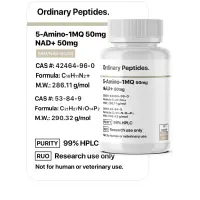
The point-counterpoint that opened this page wasn't a one-off academic exchange. It came after eighteen months of accumulating preclinical and clinical data that refused to fit the textbook model of incretin signaling. Tirzepatide (GIPR + GLP-1R dual agonist) produces roughly 20% body weight reduction in Phase 3 SURMOUNT trials. MariTide (AMG-133, a GIPR antagonist conjugated to a GLP-1R agonist) reported comparable weight loss in 2024 Phase 2 data. Two drugs targeting the same receptor in opposite directions produce similar phenotypes. This is the structural fact that researchers are now trying to explain.
Three Hypotheses Currently in Play
The most cited explanation is desensitization: chronic GIPR agonism may drive receptor internalization to a degree that functionally resembles antagonism. Under this model, both approaches converge on the same downstream state through different routes. A second hypothesis attributes most of tirzepatide's weight loss effect to GLP-1R bias, with the GIPR component playing a supporting role. A third, gaining traction in 2025, proposes that GIPR activity in adipose tissue versus the central nervous system has opposite metabolic effects — peripheral antagonism removes lipid-storage signals while central agonism enhances satiety, and clinical compounds may achieve both endpoints through different mechanisms. None of the three is settled.
Catalog Compound Classes and Their Research Context
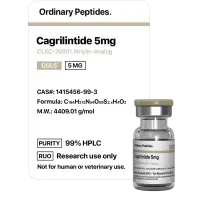
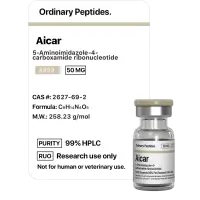
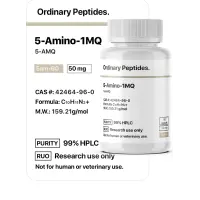
The compounds in this catalog map onto distinct research questions rather than a single therapeutic target. GLP-1R agonists (Semaglutide analogs, Liraglutide analogs, Retatrutide-class triagonists) are studied for receptor pharmacology, biased signaling, and combination effects. Amylin analogs (Cagrilintide) target a separate satiety pathway through the calcitonin receptor family and are typically studied in dual-pathway combinations with GLP-1R agonists. AMPK activators (AICAR, 5-Amino-1MQ) sit on an older pre-incretin framework — cellular energy sensing, fatty acid oxidation, mitochondrial biogenesis. They predate the GLP-1 era by roughly two decades and remain workhorses in basic metabolic research.
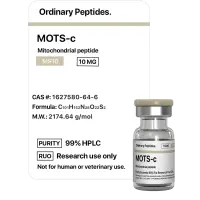
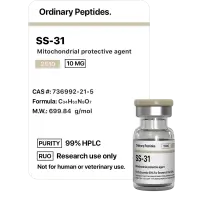
Mitochondrial peptides deserve their own note because the terminology is often used loosely. MOTS-c is mitochondrial-derived in the literal sense — encoded within the 12S rRNA of mitochondrial DNA, discovered by Pinchas Cohen's lab in 2015. SS-31 (Elamipretide) is synthetic and mitochondrial-targeting through cardiolipin binding on the inner mitochondrial membrane. Both are studied for energy homeostasis, but their origins and mechanisms differ enough that researchers usually treat them as separate compound classes.
Research Models Commonly Used
Preclinical metabolic peptide work clusters around a small set of standard models. Diet-induced obesity (DIO) in C57BL/6 mice on 60% high-fat diet for 12–16 weeks remains the default for weight-loss endpoint studies. db/db mice (leptin receptor mutant) and ob/ob mice (leptin-deficient) cover the genetic side of obesity research. For incretin-specific work, GIPR knockout and GLP-1R knockout lines have produced much of the field's mechanistic foundation — and, notably, both knockouts show similar phenotypes when fed high-fat diets, which is itself one of the data points feeding the current paradox. Human translational work uses hyperinsulinemic-euglycemic clamps, oral glucose tolerance tests, and increasingly, ambulatory continuous glucose monitoring.
Frequently Asked Questions
What is the GIP receptor paradox?
Both pharmacological agonism (Tirzepatide) and antagonism (MariTide/AMG-133) of the GIP receptor, when combined with GLP-1R agonism, produce comparable weight loss in clinical trials. This contradicts the conventional expectation that opposite pharmacological actions on the same receptor should produce opposite phenotypes. The mechanistic explanation remains an open research question as of 2025–2026.
How do GLP-1R agonists differ from amylin analogs in metabolic research?
GLP-1R agonists activate the glucagon-like peptide-1 receptor and primarily affect glucose-dependent insulin secretion, gastric emptying, and central satiety pathways. Amylin analogs activate calcitonin receptor complexes (AMY1/2/3) and act on different satiety circuits in the hindbrain. The two pathways are non-redundant in research models, which is why dual-pathway combinations (such as cagrilintide + semaglutide) are studied as additive rather than overlapping.
What is the difference between MOTS-c and SS-31?
MOTS-c is an endogenous mitochondrial-derived peptide encoded within the 12S rRNA region of mitochondrial DNA. SS-31 (Elamipretide) is a synthetic tetrapeptide designed to bind cardiolipin on the inner mitochondrial membrane and stabilize membrane potential. Both are studied in mitochondrial bioenergetics research, but MOTS-c is studied for its role as an endogenous metabolic regulator while SS-31 is studied as a mitochondrial-protective intervention.
Why is AICAR still studied if GLP-1 era compounds exist?
AICAR activates AMPK directly through its phosphorylated metabolite ZMP, providing a tool to study cellular energy sensing independent of hormonal signaling. AMPK research continues to develop in areas the incretin field doesn't address — mitochondrial biogenesis, fatty acid oxidation, autophagy regulation, and exercise mimetic biology. The two research areas address different mechanistic questions.
What is a triagonist peptide?
A triagonist peptide is a single molecule designed to activate three different receptors. In metabolic research, the term most often refers to GLP-1R + GIPR + glucagon receptor triple agonists such as Retatrutide. The rationale is that combining three complementary pathways may produce additive metabolic effects beyond what dual agonists achieve. Triagonists are the current research frontier in incretin-based weight regulation, with Phase 2 and Phase 3 data emerging through 2024–2025.
How is research-grade peptide purity assessed?
Standard analytical methods include reverse-phase HPLC for purity quantification (typically reported as ≥98% or ≥99%), mass spectrometry for sequence confirmation, and amino acid analysis for composition verification. For peptides intended for in vivo research models, endotoxin testing and residual solvent analysis are additional considerations. Each compound in this catalog ships with analytical documentation; specific Certificate of Analysis details are listed on individual product pages.
Reference Points for Further Reading
The 2025 Diabetes point-counterpoint on GIP receptor pharmacology (volume 74, issue 8) is the most current overview of the active controversy and is open-access through the American Diabetes Association journals. For the broader incretin field, the 2024 reviews by Drucker (Cell Metabolism) and by Müller and Tschöp (Nature Reviews Endocrinology) remain standard reference points. For mitochondrial peptide biology, the Cohen group at USC has published the foundational MOTS-c literature; Szeto's work at Cornell covers the SS-31 mechanism in detail.
All compounds in this catalog are intended for in vitro and preclinical research use only. None are approved by the FDA or any other regulatory authority for therapeutic use in humans. The clinical and trial data referenced on this page describe research conducted with FDA-approved or investigational pharmaceutical products and are provided as scientific context, not as claims for the research compounds offered here.