Two Frames for Inflammation Research
Inflammation research peptides sit on both sides of a quiet paradigm shift. The older frame is anti-inflammatory: block NF-κB, suppress TNF-α. The newer frame is Serhan's specialized pro-resolving mediators concept, where resolution is an active program driven by named receptors including FPR2/ALX and the GPR18-GPR37 family. KPV exemplifies the older mode, a tripeptide that inhibits NF-κB through PepT1 transport rather than its parent α-MSH's melanocortin receptors. ARA-290 binds the EPOR/CD131 heteroreceptor for tissue protection without erythropoietic activity. A June 2025 JGH Open systematic review surveyed both classes for IBD.
Inflammation Research
Showing 1–40 of 40 results
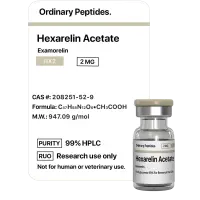
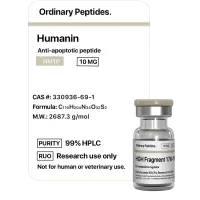
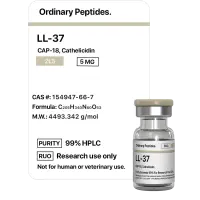
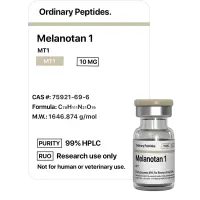
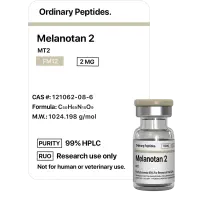
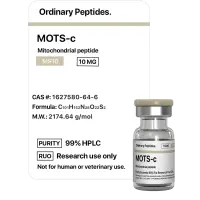
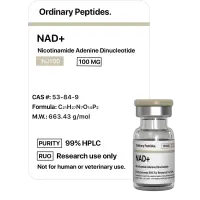
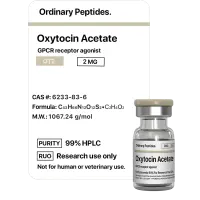
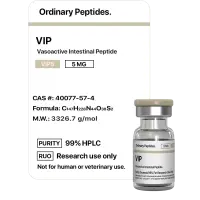
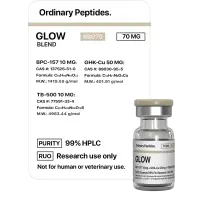
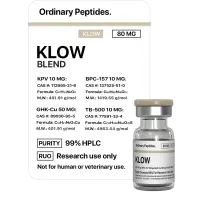
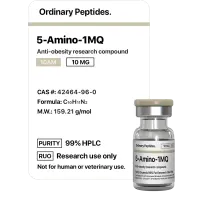
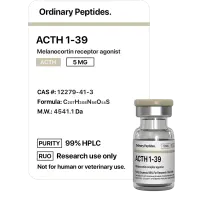
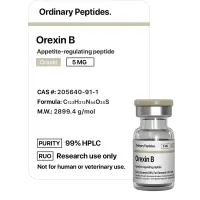
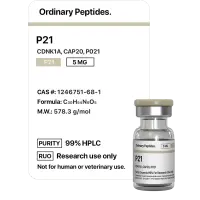
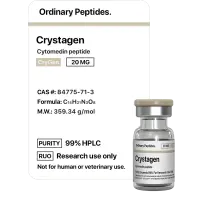
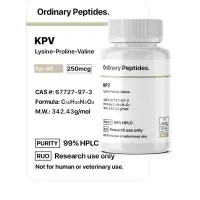
The paradigm shift that opens this page is observable in the literature shape itself. The anti-inflammatory side has accumulated decades of mechanistic work, multiple drug development programs, and recent systematic reviews — the 2025 Ghazvini et al. review in JGH Open synthesized 17 studies of anti-inflammatory peptides in inflammatory bowel disease, covering compounds from annexin A1 mimics to bovine-derived anti-TNF agents. The resolution side, by contrast, is still building its disease-specific evidence base. The SPM (specialized pro-resolving mediator) field exists primarily in basic biology, with named receptors and characterized ligands, but systematic disease-specific reviews comparable to the anti-inflammatory literature haven't yet appeared. This asymmetry is what "paradigm shift" actually means — one frame has accumulated infrastructure, the other is in active construction.
The Anti-Inflammatory Frame: NF-κB and TNF-α as Standard Targets
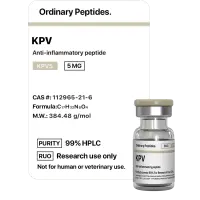
The anti-inflammatory framework centers on blocking pro-inflammatory signaling cascades, most notably NF-κB activation and TNF-α production. KPV (lysine-proline-valine, the C-terminal tripeptide of α-MSH) exemplifies this approach. Unlike its parent α-MSH which acts at melanocortin receptors (MC1R, MC3R) at the cell surface, KPV is transported into cells via PepT1, the di/tripeptide transporter expressed on intestinal and inflammatory cells. Inside the cell, KPV inhibits NF-κB activation through interference with IκB phosphorylation, reducing transcription of pro-inflammatory cytokines including TNF-α, IL-1β, and IL-6. This intracellular mechanism is part of why KPV is studied in IBD models where intestinal epithelial cells express PepT1 abundantly, making the peptide locally accessible.
The Ghazvini review identifies the dominant anti-inflammatory peptide mechanisms across 17 studies: TNF-α inhibition (snake venom peptide H-SN1, GLP-2 dimer, AVX-470 anti-TNF antibody), tight junction stabilization (AMP-18/gastrokine-1, buffalo milk peptide MBCP), and microbiota restoration (Ac2-26 annexin A1 mimic, αs2-casein peptide with synbiotics). The methodological pattern is consistent — block specific pro-inflammatory effectors, restore barrier function, normalize gut microbial composition. This is the mature anti-inflammatory framework that resolution biology is now extending rather than replacing.
The Resolution Frame: Serhan's Pro-Resolving Mediators
Charles Serhan's work, beginning in the 1990s and crystallizing into the SPM (specialized pro-resolving mediator) concept around 2008, proposed that inflammation resolution is not the passive fading of inflammatory signals but an active program driven by specific lipid and peptide mediators acting through dedicated receptors. The named receptors include FPR2/ALX (formyl peptide receptor 2, also called the lipoxin A4 receptor), which binds annexin A1, lipoxin A4, resolvin D1, and small peptides derived from annexin A1; GPR18 (resolvin D2 receptor); and GPR37, which binds protein S and has emerging roles in resolution biology. The mechanistic implication is that promoting resolution requires activating these receptors rather than simply blocking pro-inflammatory pathways — a strategy that may avoid the immunosuppressive side effects of broad anti-inflammatory approaches.
ARA-290 and Tissue-Protective Cytokines
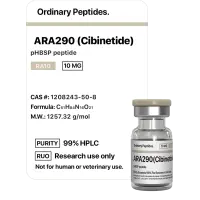
ARA-290 (cibinetide) sits in a third research area — tissue-protective cytokines. The compound is an 11-amino acid peptide derived from the helix B region of erythropoietin. ARA-290 binds the EPOR/CD131 heteroreceptor complex (innate repair receptor, IRR) rather than the homodimeric EPOR responsible for erythropoiesis. This selectivity is the whole therapeutic rationale — activating the tissue-protective pathway without driving red blood cell production. The compound has been studied in sarcoidosis-associated small fiber neuropathy, ischemia-reperfusion injury, and inflammatory pain models. The mechanism overlaps with both anti-inflammatory and pro-resolution categories — ARA-290 reduces cytokine production and supports tissue repair simultaneously.
Research Models Commonly Used
Inflammation peptide research uses well-standardized models. IBD models: DSS (dextran sulfate sodium) colitis for ulcerative colitis-like inflammation, TNBS (trinitrobenzene sulfonic acid) colitis for Crohn's-like transmural inflammation, IL-10 knockout mice for spontaneous colitis. Acute inflammation: LPS challenge in mice (endotoxemia model), carrageenan paw edema for local inflammation, zymosan peritonitis for resolution kinetics. Resolution-specific: zymosan-induced peritonitis with timed sampling of inflammatory exudate, measuring resolution indices (Ri50, the time to 50% leukocyte clearance). In vitro: THP-1 monocytes and primary human macrophages for cytokine response, Caco-2 epithelial monolayers for tight junction integrity, HUVECs for endothelial activation studies.
Frequently Asked Questions
What is the difference between anti-inflammatory and pro-resolving mechanisms?
Anti-inflammatory mechanisms block pro-inflammatory signaling — they suppress NF-κB activation, inhibit cytokine production, or interfere with leukocyte recruitment. The result is reduced inflammation, but also potentially reduced immune competence. Pro-resolving mechanisms activate specific receptors (FPR2/ALX, GPR18, GPR37) that drive active inflammation resolution — increased neutrophil apoptosis, macrophage efferocytosis, switch to pro-repair phenotypes, and restoration of tissue homeostasis. The conceptual difference is that resolution is an active program, not the absence of inflammation. The clinical interest is that pro-resolving approaches may avoid the immunosuppressive consequences of broad anti-inflammatory drugs.
How does KPV work differently from α-MSH?
α-MSH is a 13-amino acid peptide that acts at melanocortin receptors (MC1R through MC5R) on the cell surface, with broad effects on pigmentation, appetite, inflammation, and sexual function depending on the receptor subtype. KPV is the C-terminal tripeptide of α-MSH (residues 11–13). Unlike α-MSH, KPV does not act at melanocortin receptors — instead, it's transported into cells via PepT1, the di- and tripeptide transporter. Inside the cell, KPV inhibits NF-κB activation directly. This mechanistic difference is why KPV has anti-inflammatory effects similar to α-MSH but does not share α-MSH's effects on pigmentation or appetite.
What is the EPOR/CD131 heteroreceptor that ARA-290 targets?
Erythropoietin's classical receptor is a homodimer of two EPOR subunits, responsible for red blood cell production. The heteroreceptor — composed of EPOR plus CD131 (the common β-chain shared with IL-3, IL-5, and GM-CSF receptors) — has different signaling properties and tissue distribution. It's expressed on non-erythroid cells including neurons, cardiomyocytes, and inflammatory cells, and mediates tissue-protective effects of EPO without driving erythropoiesis. ARA-290 was designed to selectively engage this heteroreceptor through binding to the helix B region of EPO, retaining tissue protection while avoiding red blood cell stimulation.
What are specialized pro-resolving mediators?
Specialized pro-resolving mediators (SPMs) are a class of lipid and peptide molecules that actively drive inflammation resolution. The lipid SPMs include lipoxins (derived from arachidonic acid), resolvins (from EPA and DHA), protectins, and maresins. Each acts through specific receptors — FPR2/ALX for lipoxin A4 and resolvin D1, GPR32/DRV1 for resolvin D1 alternatively, GPR18 for resolvin D2, ChemR23 for resolvin E1. The peptide side includes annexin A1 and small peptides derived from it (Ac2-26) acting at FPR2/ALX. The unifying concept is that resolution is biochemically distinct from anti-inflammation and uses its own molecular toolkit.
Why are tight junction peptides relevant to IBD research?
The intestinal epithelial barrier maintains separation between gut lumen contents (bacteria, food antigens) and the lamina propria immune system. Tight junctions between epithelial cells — composed of claudins, occludin, ZO-1, and other proteins — are the gatekeepers of this barrier. In IBD, tight junction integrity is compromised, allowing bacterial translocation that drives chronic inflammation. Peptides like AMP-18 (gastrokine-1) and buffalo milk peptide MBCP have been studied for their ability to stabilize tight junctions and restore barrier function. This represents a complementary mechanism to direct anti-inflammatory effects — repairing the structural breach rather than only suppressing the resulting inflammation.
What is resolution index Ri50?
Ri50 is a quantitative measure of inflammation resolution kinetics, developed by the Serhan lab to characterize the resolution phase distinctly from the initiation phase. It measures the time from peak leukocyte infiltration to 50% leukocyte clearance from inflammatory exudate. Compounds that accelerate resolution shorten Ri50; compounds that prolong inflammation extend it. The standard model uses zymosan-induced peritonitis in mice with timed sampling of peritoneal exudate. This kind of resolution-specific endpoint is what distinguishes pro-resolving research from anti-inflammatory research at the methodological level.
Reference Points for Further Reading
The 2025 Ghazvini et al. systematic review in JGH Open (DOI: 10.1002/jgh3.70212) covers anti-inflammatory peptides in IBD. For the SPM field foundations, Serhan's reviews in Nature and Annual Review of Immunology (multiple, 2008 onward) are the standard entry points. The 2014 review by Serhan in Nature ("Pro-resolving lipid mediators are leads for resolution physiology") is the most-cited framework reference. For ARA-290 and tissue-protective cytokines, the Brines and Cerami publications cover the EPO-derived peptide rationale. For KPV mechanism specifically, the Luger group has published the foundational work on melanocortin peptide fragments and inflammation. The Hartmann and Brines reviews cover the broader innate repair receptor concept.
All compounds in this catalog are intended for in vitro and preclinical research use only. None are approved by the FDA or any other regulatory authority for therapeutic use in humans. Clinical and preclinical literature referenced on this page is provided as scientific context for the research field, not as claims for the compounds offered here. Inflammation modulation effects are context-dependent and vary by tissue, disease state, and concurrent signaling — research applications require careful protocol design and explicit specification of immune context.