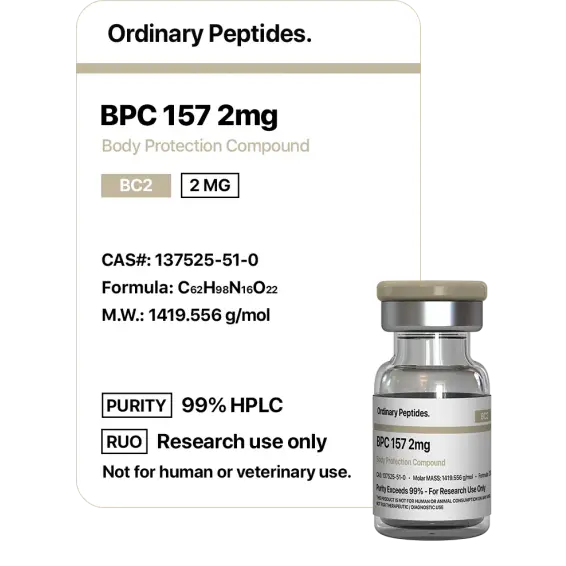
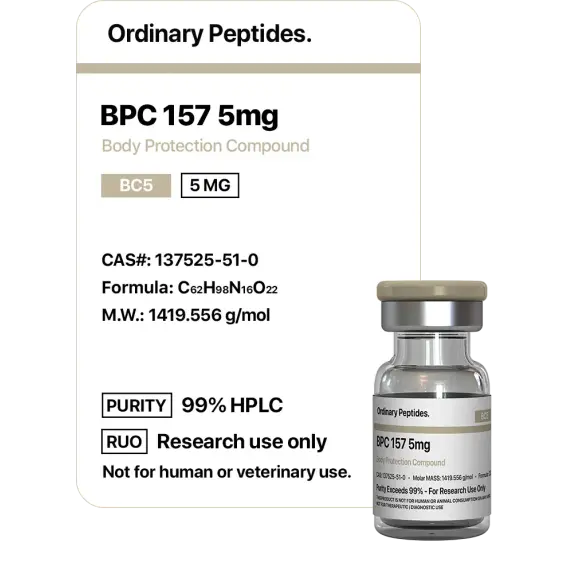
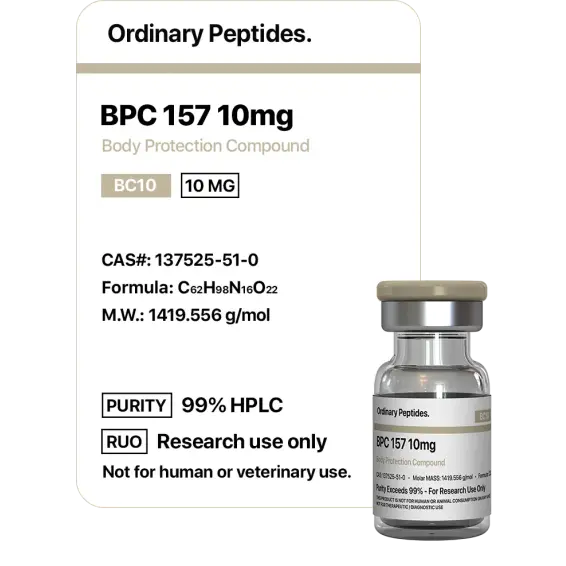
BPC 157
For in vitro testing and laboratory use only. Not for human or animal consumption. Bodily introduction is illegal. Handle only by licensed professionals. Not a drug, food, or cosmetic. Educational use only.
BPC-157: A 15-Amino-Acid Peptide With an Unusually Broad Preclinical History
BPC-157 is a short 15-amino-acid investigational peptide that drew attention not because of hype, but because of its unusually broad preclinical history. In experimental models, it has been studied in the context of tendons, ligaments, muscles, GI mucosa, and vascular adaptation, and that very "multi-purpose" profile is what made the molecule stand out in the peptide space.
In published observations, its tissue-protective and pro-healing profile is what gets highlighted most often, which is exactly why so much excitement formed around BPC-157 — at times even louder than the science itself. But this is also where the topic becomes genuinely interesting: behind the strong preclinical story, there is still no comparably strong clinical evidence base in humans, and the peptide remains a non-approved substance.
For those who value real research significance over marketing fireworks, that is precisely what makes BPC-157 worth attention — as a curious but still honestly unfinished candidate. Not a magic button, but a molecule that genuinely invites a closer look because of its scientific intrigue.
BPC-157: A Scientific Review of the Gastric Pentadecapeptide
Based on peer-reviewed literature — see References. Last updated: April 2026.
The Short Version
BPC-157 — Body Protection Compound 157 — is a synthetic 15-amino acid pentadecapeptide derived from a sequence found in human gastric juice. Since the early 1990s, a research group at the University of Zagreb has generated an extensive body of animal studies suggesting remarkable healing properties across muscle, tendon, ligament, bone, gut, and even the central nervous system. The peptide is now one of the most discussed research chemicals in biohacking, sports medicine, and regenerative wellness circles worldwide.
The gap between its popularity and its evidence base is enormous. Over 30 years of preclinical research has produced more than 190 published papers — the vast majority from a single research group.[8] Published human trials involve fewer than 30 total participants, across three small non-randomised studies.[9][10][11] A formal Phase I trial in 42 healthy volunteers was initiated in 2015 and never published its results. The FDA placed it on its Category 2 safety-risk list in 2023.[12]
| At a glance | |
|---|---|
| Full name | Body Protection Compound 157 |
| Also known as | BPC-157, PL-10, PLD-116, stable gastric pentadecapeptide |
| Sequence | Gly-Glu-Pro-Pro-Pro-Gly-Lys-Pro-Ala-Asp-Asp-Ala-Gly-Leu-Val (15 amino acids) |
| Molecular weight | ~1,419 Da |
| Origin | Derived from human gastric juice protein BPC |
| Primary researcher | Predrag Sikiric, University of Zagreb Medical School |
| FDA status | Category 2 bulk drug substance (2023) — cannot be compounded; significant safety concerns cited |
| WADA status | Prohibited (S2 category; check current list at wada-ama.org) |
| Clinical stage | Essentially preclinical; ~30 humans studied across 3 non-randomised pilot reports |
| Known receptor | Not identified |
Where It Came From
BPC-157 was first described in the scientific literature in the early 1990s by Predrag Sikiric and colleagues at the Department of Pharmacology, University of Zagreb Medical School in Croatia. The parent compound — gastric juice protein BPC — is a naturally occurring protein in the gastric mucosa. Sikiric’s group identified a 15-amino acid fragment with notable cytoprotective properties and designated it BPC-157.[1] Body protection compound (BPC, M.W. 40,000) was first discovered and isolated in human gastric juice and later a stable 15 amino acid fragment with apparently no sequence homology to other known peptides was found to be essential for BPC’s activity.[2]
The “no sequence homology” observation is important: BPC-157 does not appear related to any other known peptide, which makes it difficult to predict its mechanism from structural analogy. The peptide was observed to be stable in gastric juice — an unusual and practically significant property, since most peptides are rapidly digested in the stomach.
The Research Concentration Problem: One Group, 30+ Years
Before diving into the science, this point deserves honest treatment. A PubMed search retrieves over 190 articles containing “BPC 157”; over 80% list P. Sikiric or S. Seiwerth as first or senior author. Heavy reliance on self-replication inevitably restricts generalizability and increases the risk of confirmation bias.[8]
This is not a criticism of the quality of Sikiric’s group’s work per se — it is a structural limitation of the entire evidence base. In pharmacology, reproducibility by independent laboratories is a foundational requirement for scientific confidence. A finding that has been replicated many times by the same group but rarely by independent teams occupies a categorically different level of evidence than one that has been independently reproduced. Some independent replication exists — particularly for gastrointestinal cytoprotection and tendon healing in animal models — but the breadth of effects claimed across virtually every organ system has not been independently verified.
Chemistry and Structural Properties
BPC-157 is a linear synthetic peptide with no known receptor. Its amino acid sequence — GEPPPGKPADDAGLV — does not match any other known endogenous peptide, growth factor, or structural family.[2]
| Property | Detail |
|---|---|
| Length | 15 amino acids |
| Molecular weight | ~1,419 Da |
| Charge at neutral pH | Net negative |
| Stability | Stable in gastric acid (unusual for a peptide) |
| Known receptor | None identified |
| Oral bioavailability | Reported active orally in animal models; human bioavailability unknown |
| Plasma half-life | Short — <30 minutes in rats and dogs |
| Effective dose range (animal studies) | Typically nanogram to microgram per kilogram |
Proposed Mechanisms of Action
BPC-157 has been proposed to act through multiple overlapping pathways. These should be understood as proposed or partially evidenced mechanisms — not as fully characterised, validated therapeutic targets.
1. VEGF-VEGFR2 pathway and angiogenesis
BPC-157 promotes healing demonstrating particular angiogenic/angiomodulatory potential. Immunohistochemical analysis of muscle and tendon healing using VEGF, CD34 and FVIII antibodies showed adequately modulated angiogenesis in BPC-157-treated animals, resulting in more adequate healing.[3] BPC-157 appears to upregulate VEGFR2 expression and stimulate angiogenesis at injury sites in early post-injury periods, then allow that response to resolve — a pattern consistent with coordinated tissue repair rather than uncontrolled neovascularisation.
2. Nitric oxide (NO) system
The multitude of targets can be specific given the activation of the VEGFR2-Akt-eNOS signalling pathway without the need for other known ligands or shear stress, and evidenced controlling vasomotor tone by the activation of the Src-Caveolin-1-eNOS pathway.[6] NO signalling plays a central role in vascular homeostasis, vasodilation, and tissue perfusion.
3. FAK-paxillin pathway
The focal adhesion kinase (FAK) — paxillin signalling system is involved in cell migration and extracellular matrix reorganisation. BPC-157’s interaction with this pathway has been proposed as a mechanism for its promotion of fibroblast and endothelial cell migration to injury sites.
4. Growth hormone receptor upregulation
Studies from the Chang group in Taiwan (one of the few independent research groups) showed that BPC-157 upregulates growth hormone receptor expression in tendon fibroblasts[4] — offering a potential link between BPC-157’s tissue-healing effects and the GH-IGF-1 axis.
5. ERK1/2 and Egr-1 transcription
BPC-157 has been linked to ERK1/2 signalling and upregulation of Egr-1, an early-growth-response transcription factor involved in wound healing, collagen synthesis, and cell proliferation.
| Proposed mechanism | Evidence quality | Independence of evidence |
|---|---|---|
| VEGF-VEGFR2 angiogenesis | Animal models, in vitro [3] | Primarily Sikiric group + some independent |
| eNOS / NO pathway modulation | Animal models [6] | Primarily Sikiric group + some independent |
| FAK-paxillin cell migration | In vitro | Limited independent confirmation |
| GH receptor upregulation | Animal, in vitro [4] | Independent (Chang et al., Taiwan) |
| ERK1/2 / Egr-1 activation | Animal models, in vitro | Limited |
| No known receptor | Confirmed absence | Broadly acknowledged in literature |
Preclinical Evidence: What the Animal Data Shows
Gastrointestinal protection and healing
This is the area with the strongest and most independently replicated preclinical data. BPC-157 was originally studied for its gastroprotective properties and has been shown in multiple animal models to protect against gastric ulcers induced by NSAIDs, alcohol, stress, and other agents. It also appears to accelerate healing of established gastrointestinal lesions.[1]
Musculoskeletal healing
BPC-157 helps promote healing by boosting growth factors and reducing inflammation. Specific models include Achilles tendon transection, quadriceps muscle crush, ligament tear, and bone pseudoarthrosis — all showing accelerated structural and functional recovery in treated animals.[3][4]
Cardiovascular and CNS effects
Multiple rodent studies from the Zagreb group report benefits in cardiac ischaemia-reperfusion, pulmonary hypertension, arrhythmias, and thrombosis models. BPC-157 has also been reported to produce effects in models of traumatic brain injury, Parkinson’s disease-like states, spinal cord injury, and drug-induced neurotoxicity.[2] These CNS findings are the least independently replicated and most in need of external validation.
Oral bioavailability — a notable feature
BPC-157 appears to be orally active in animal models, which is unusual for a peptide of its size. Most therapeutic peptides require injection because gastric acid and digestive enzymes break them down before absorption. BPC-157’s stability in gastric acid appears to allow at least partial oral absorption, though whether this translates to humans has not been rigorously characterised.
Human Evidence: The Critical Gap
Of 544 articles from 1993 to 2024 identified in a systematic review, after duplicates were removed, 36 studies were included — 35 preclinical studies and 1 clinical study.[8] That is the state of the evidence for musculoskeletal applications as of mid-2024: one clinical study among 544 articles.
Study 1 — Knee pain (retrospective chart review, 2021)
A retrospective review by Lee and Padgett examined 16 patients who received intraarticular BPC-157 injections (with or without thymosin beta-4) for various types of knee pain. 14 of the 16 patients had significant pain relief when given an intraarticular knee injection with BPC-157 or BPC-157 plus TB4.[9] What this study cannot tell us: whether results were due to BPC-157, the placebo effect, the injection itself, natural disease progression, or the combination with TB4. The study had no control group, no standardised pain scoring, no objective structural measurements.
Study 2 — Interstitial cystitis (pilot, 2024)
In a pilot study of 12 individuals, intravesicular (bladder) injections of BPC-157 were reported to result in 80–100% resolution of moderate to severe interstitial cystitis at 6 weeks post-treatment.[10] Again: no control group, no blinding, small sample, published in an alternative medicine journal, performed by a private clinic.
Study 3 — IV safety (2025)
Intravenous infusion of up to 20 mg of BPC-157 in 2 healthy adults showed no adverse effects and was well-tolerated. Results showed no measurable effects on tested biomarkers of the heart, liver, kidneys, thyroid, or blood glucose levels.[11] Two patients. This is a safety signal, not an efficacy finding, and is methodologically too small to draw any conclusions from.
The cancelled Phase I trial
In 2015, a formal Phase I trial involving 42 healthy volunteers was initiated to evaluate BPC-157’s safety and pharmacokinetics. The trial was registered, conducted, and marked as completed — but results were never published. In 2016, the investigators cancelled their submission of results. This is a significant unexplained gap in the public record. We do not know whether safety issues were discovered, whether the data was commercially sensitive, or whether it was a business decision.
Regulatory and Legal Status
| Jurisdiction | Status |
|---|---|
| FDA (USA) | Category 2 bulk drug substance (2023) — “significant safety risks”; cannot be legally compounded [12] |
| EMA (Europe) | Not approved; not under review |
| WADA | Prohibited under S2 (Peptide Hormones, Growth Factors and Related Substances) — added 2022; check wada-ama.org for current status [14] |
| USADA | Athletes warned; prohibited in competitive sport [13] |
| Australia (TGA) | Not approved |
| Research chemical market | Widely sold as “research chemical” and “dietary supplement” — both unregulated categories |
Safety: What We Know and What We Don’t
Preclinical safety — generally favourable
In animal studies, BPC-157 has been used at nanogram-to-microgram doses per kilogram with no reported acute toxicity. The primary preclinical researcher states that LD1 (the dose lethal to 1% of animals) has never been achieved. However, one critical issue was flagged: in the toxicity assessment, BPC-157 was administered at a dose of 2 g/kg — and considering the numerous reports of therapeutic activity at microgram or even nanomolar levels, the complete absence of any observable toxic effects at such a high dose is surprising and warrants explanation.[5]
The cancer / angiogenesis concern
This is the most substantive safety debate in the current BPC-157 literature. BPC-157 upregulates VEGF and stimulates angiogenesis. VEGF is a central driver of tumour vasculature — indeed, anti-VEGF drugs (bevacizumab) are approved anti-cancer agents. The concern is that chronic BPC-157 use could theoretically promote tumour growth or metastasis by supporting the vascular supply to undetected tumours.[7]
The primary research group argues this concern is unfounded because BPC-157’s angiogenesis is contextual and cytoprotective rather than tumour-promoting. However, no published in vivo data demonstrates that BPC-157 inhibits tumour progression, reduces tumour volume, or suppresses metastasis. In line with this, the claim that oncologic risks are “entirely excluded” fails to cite a single in vivo study involving solid tumours.[7]
| Safety aspect | Current evidence | Confidence |
|---|---|---|
| Acute toxicity in animals | Low at studied doses | Moderate |
| Short-term human tolerability | No adverse events in ~30 people | Very low confidence (tiny samples) |
| Immunogenicity | Not systematically evaluated | Unknown |
| Tumour promotion / carcinogenicity | Not formally tested in vivo; theoretical concern from VEGF upregulation [7] | Uncertain — not excluded |
| Long-term safety (months to years) | No data in humans; not systematically studied in animals | Unknown |
| Drug interactions | Not evaluated | Unknown |
What Is Confirmed and What Remains Unproven
| Confirmed by published data | Not established |
|---|---|
| Stable in gastric acid; appears orally active in animals [2] | Human efficacy for any indication |
| Beneficial effects in GI ulcer models (best-replicated) [1] | Human pharmacokinetics and bioavailability |
| Tendon, muscle, ligament healing in animal models [3][4] | Long-term safety in humans |
| Upregulates VEGF, eNOS, GH receptor in animals [3][6] | Known receptor or molecular target |
| Positive signals in small human pain reports (uncontrolled) [9] | Whether VEGF upregulation causes clinical harm |
| Short-term tolerated in 2 IV subjects and ~28 others [11] | What the cancelled 2015 Phase I trial found |
| LD1 not achieved in rodent toxicity studies | Whether preclinical results translate to humans |
The Independent Replication Question — by Organ System
| Application area | Independent replication? | Confidence |
|---|---|---|
| Gastrointestinal protection (ulcers, colitis) | Yes — some independent work | Moderate |
| Tendon healing [4] | Partial — Chang group (Taiwan) independent | Moderate |
| Muscle healing | Mostly Zagreb group | Low-moderate |
| Bone healing | Mostly Zagreb group | Low |
| CNS / neuroprotection | Almost entirely Zagreb group | Low |
| Cardiovascular | Mostly Zagreb group | Low |
Comparison with Related Research Peptides
| Compound | Mechanism | Human evidence | Key difference |
|---|---|---|---|
| BPC-157 | Multiple; no known receptor; VEGF, eNOS, GH-R | ~30 humans, no RCTs | Most studied (in animals); least validated in humans |
| TB-500 (Thymosin β4) | Actin dynamics, angiogenesis, migration | Phase I/II for cardiac (published) | More human data for some indications |
| ARA 290 (Cibinetide) | IRR agonist | Multiple Phase 2 RCTs (~200+ humans) | Far more rigorous human evidence |
| AOD9604 | hGH fragment; lipolysis | 6 trials, ~925 humans | More human data; failed Phase IIb efficacy |
| Serelaxin | RXFP1 full agonist | Phase 3 (RELAX-AHF-1/2) | Most human evidence; did not meet Phase 3 primary endpoint |
Common Misconceptions
“It’s been studied for 30 years, so we know it’s safe.”
Thirty years of animal research does not establish human safety. The research has been conducted primarily in animals, primarily by one group, and the formal human Phase I trial that was supposed to establish safety was never published.
“It’s naturally occurring in human gastric juice, so it must be safe.”
BPC-157 is a synthetic fragment of a naturally occurring protein. “Naturally occurring” is not synonymous with “safe at any dose or route of administration.” Many naturally occurring compounds are toxic at sufficient doses or through non-natural routes.
“The animal results are so consistent, it clearly works.”
Consistent results from one laboratory, largely in rats and mice, do not reliably predict human outcomes. Numerous compounds with excellent animal data have failed in human trials. The BPC-157 body of preclinical evidence is intriguing, but the translation question remains genuinely open.[8]
“BPC-157 cures everything from gut to brain.”
The breadth of claimed effects — virtually every organ system — is itself a scientific concern. When all studied outcomes are positive across all systems with no dose-response limitations and no toxicity, this is either an extraordinary discovery or a reflection of selective reporting and publication bias. The scientific community has not reached consensus on which it is for BPC-157.
“The FDA banned it.”
The FDA placed it on its Category 2 list, meaning it cannot be compounded by pharmacies.[12] It is not a scheduled substance. Possession is not illegal. It remains widely sold as a research chemical and dietary supplement.
Frequently Asked Questions
Is BPC-157 approved anywhere?
No. No regulatory authority has approved it for any therapeutic indication.
Can it be prescribed or compounded in the US?
Not by compounding pharmacies — it is on the FDA’s Category 2 list since 2023.[12] It cannot be legally compounded for patient use.
What happened to the 2015 Phase I trial?
A trial was registered, completed with 42 healthy volunteers, and never published. The investigators cancelled their results submission in 2016. No explanation has been made public.
Is it currently banned by WADA?
It was added to the WADA prohibited list in 2022 and has appeared in varying categories since. Athletes should check the current year’s prohibited list directly at wada-ama.org before assuming current status.[14]
What is the strongest evidence supporting BPC-157?
Gastrointestinal cytoprotection in animal models is the most independently replicated finding.[1] Tendon and muscle healing in rodents has also been replicated by some independent groups.[4] These represent the best-supported applications — all in animals.
What is the biggest unanswered safety question?
The long-term oncological risk from VEGF upregulation and pro-angiogenic effects has not been evaluated in formal carcinogenicity studies.[7] For a compound being used chronically by many people, this is the most significant unresolved safety concern.
Key Takeaways
- BPC-157 has one of the most extensive preclinical track records of any research peptide — 30+ years of animal research showing consistent positive effects across multiple organ systems and species.[2]
- The research evidence base has a structural concentration problem — over 80% of published studies originate from one research group.[8] Independent replication exists but is limited and uneven across applications.
- Human clinical evidence is extraordinarily thin — fewer than 30 people in three uncontrolled pilot reports.[9][10][11] This is not proportionate to the compound’s popularity or the duration of research.
- The cancelled 2015 Phase I trial is an unexplained gap that the field needs to address. Whether results were withheld for commercial or safety reasons is unknown.
- The cancer / angiogenesis concern is real and unresolved.[7] BPC-157 upregulates VEGF and promotes angiogenesis. Formal carcinogenicity studies have not been published.
- Widespread use precedes appropriate evidence. BPC-157 is being used by large numbers of people through clinics and online vendors, based on animal data that has not been validated in adequately powered, independent, controlled human trials.
References
Key Preclinical Studies and Reviews
- Sikiric P, Seiwerth S, Grabarevic Z, et al. The beneficial effect of BPC 157, a 15 amino acid peptide BPC fragment, on gastric and duodenal lesions induced by restraint stress, cysteamine and 96% ethanol in rats. Life Sciences. 1994;54:PL63–68.
- Sikiric P, Seiwerth S, Rucman R, et al. Stable gastric pentadecapeptide BPC 157 pleiotropic beneficial activity and its possible relations with neurotransmitter activity. Pharmaceuticals. 2024;17(4):461. PMC11053547
- Brcic L, Brcic I, Staresinic M, Novinscak T, Sikiric P, Seiwerth S. Modulatory effect of gastric pentadecapeptide BPC 157 on angiogenesis in muscle and tendon healing. Journal of Physiology and Pharmacology. 2009;60(Suppl 7):191–196. PMID: 20388964
- Chang CH, Tsai WC, Lin MS, Hsu YH, Pang JH. The promoting effects of pentadecapeptide BPC157 on tendon healing involves tendon outgrowth, cell survival, and cell migration. Journal of Applied Physiology. 2011;110(3):774–780.
- Józwiak M, et al. Multifunctionality and Possible Medical Application of the BPC 157 Peptide — Literature and Patent Review. Pharmaceuticals. 2025;18(2):185. doi: 10.3390/ph18020185
- Sikiric P, et al. Stable Gastric Pentadecapeptide BPC 157 as Therapy and Safety Key: Angiogenesis and NO-System. Pharmaceuticals. 2025;18(6):928.
- Reply to Sikiric et al. Pharmaceuticals. 2025. PMC12567171
Systematic Reviews
- Vasireddi N, Hahamyan H, Salata MJ, et al. Emerging Use of BPC-157 in Orthopaedic Sports Medicine: A Systematic Review. American Journal of Sports Medicine. 2025. PMID: 40756949. PMC12313605
Published Human Studies
- Lee E, Padgett B. Intra-Articular injection of BPC 157 for multiple types of knee pain. Alternative Therapies in Health and Medicine. 2021;27.
- Lee E, et al. Intravesicular BPC-157 for interstitial cystitis. Alternative Therapies in Health and Medicine. 2024.
- Lee E, Burgess S. Safety of Intravenous Infusion of BPC157 in Humans: A Pilot Study. Alternative Therapies in Health and Medicine. 2025. PMID: 40131143
Regulatory Sources
- FDA. Certain Bulk Drug Substances for Use in Compounding that May Present Significant Safety Risks. FDA Category 2 designation, 2023. fda.gov
- USADA. BPC-157: Experimental Peptide Creates Risk for Athletes. usada.org
- WADA. Prohibited List — current edition. wada-ama.org
Researcher and Institutional Profiles
- Predrag Sikiric, MD, PhD — Department of Pharmacology, University of Zagreb Medical School, Zagreb, Croatia. Principal investigator; developer of BPC-157 as a research compound from the early 1990s.
- Sven Seiwerth, MD, PhD — Institute of Pathology, University of Zagreb Medical School. Key collaborator.
- Chang CH, et al. — Department of Orthopedics, National Cheng Kung University, Taiwan. Key independent research group.
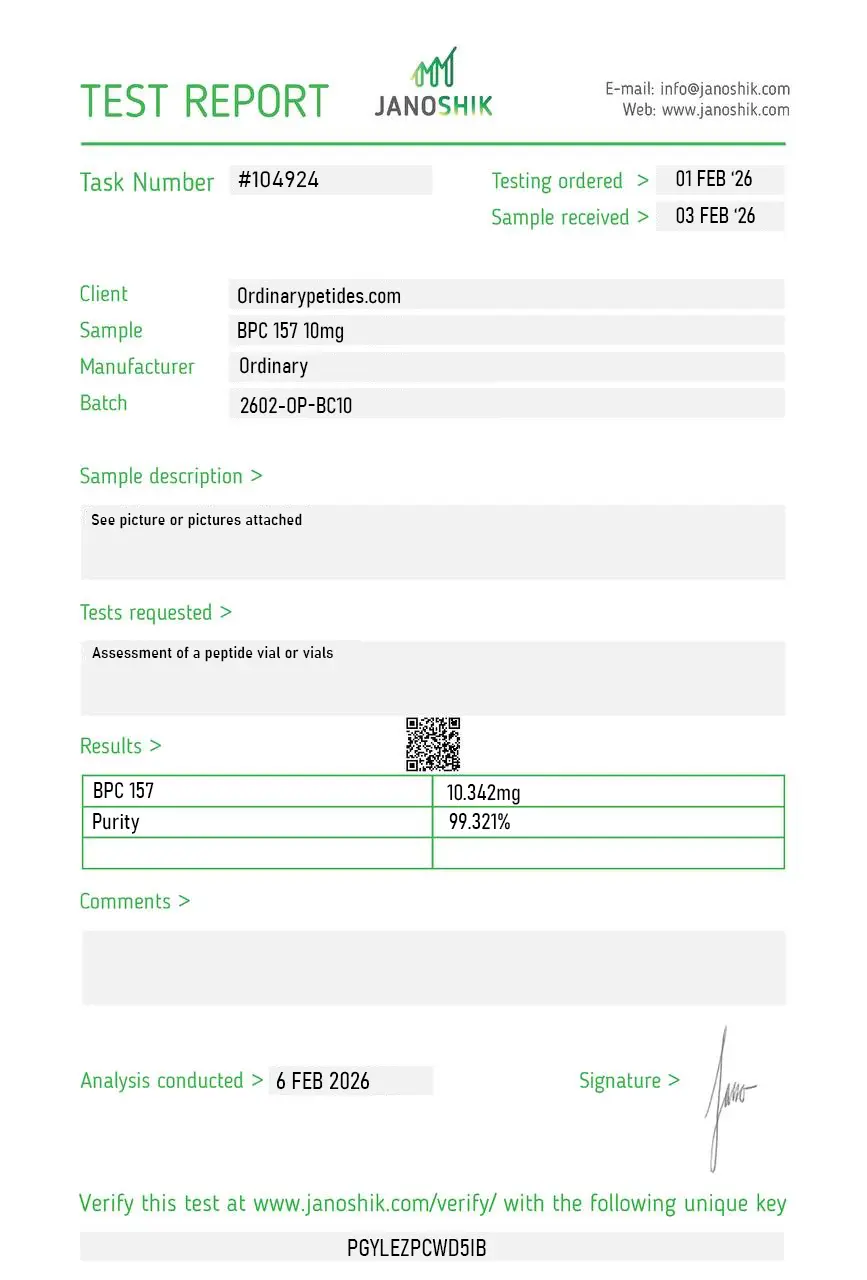
Certificate of Analysis
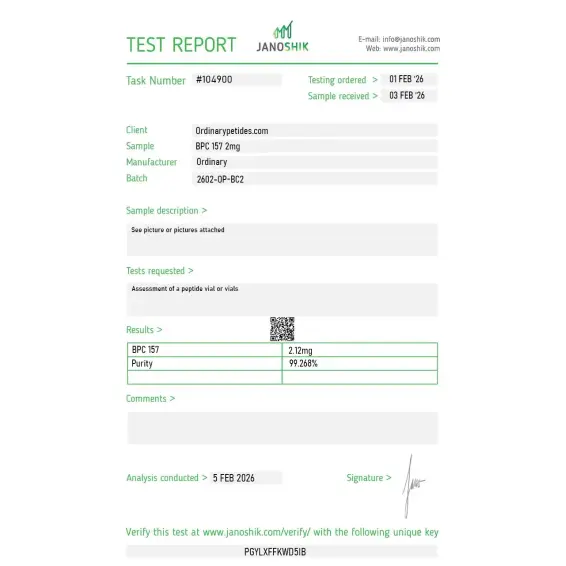
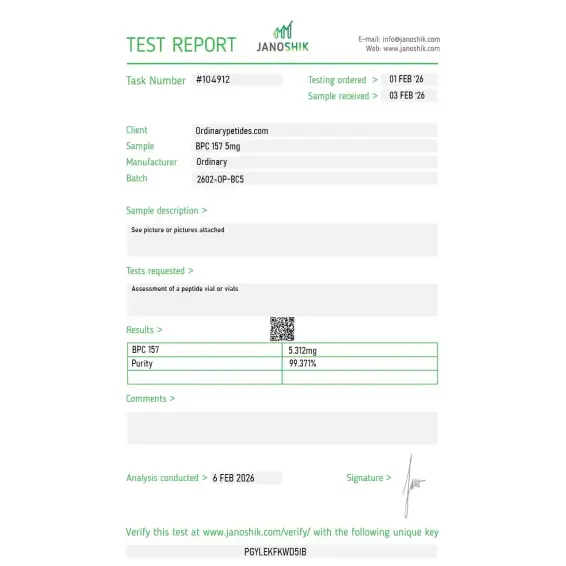
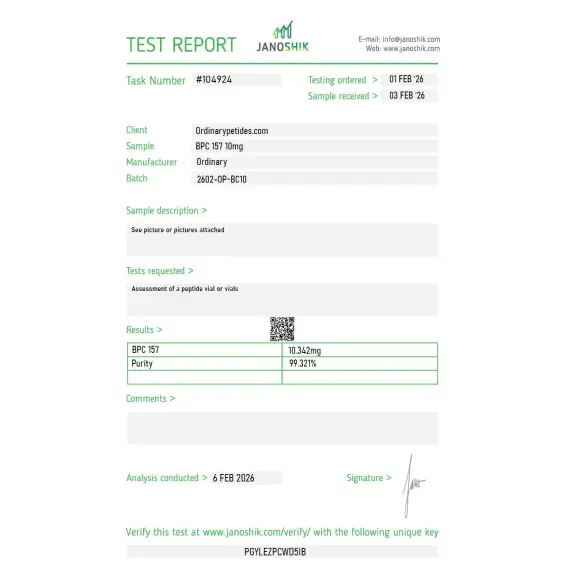
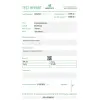
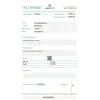
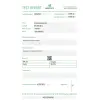
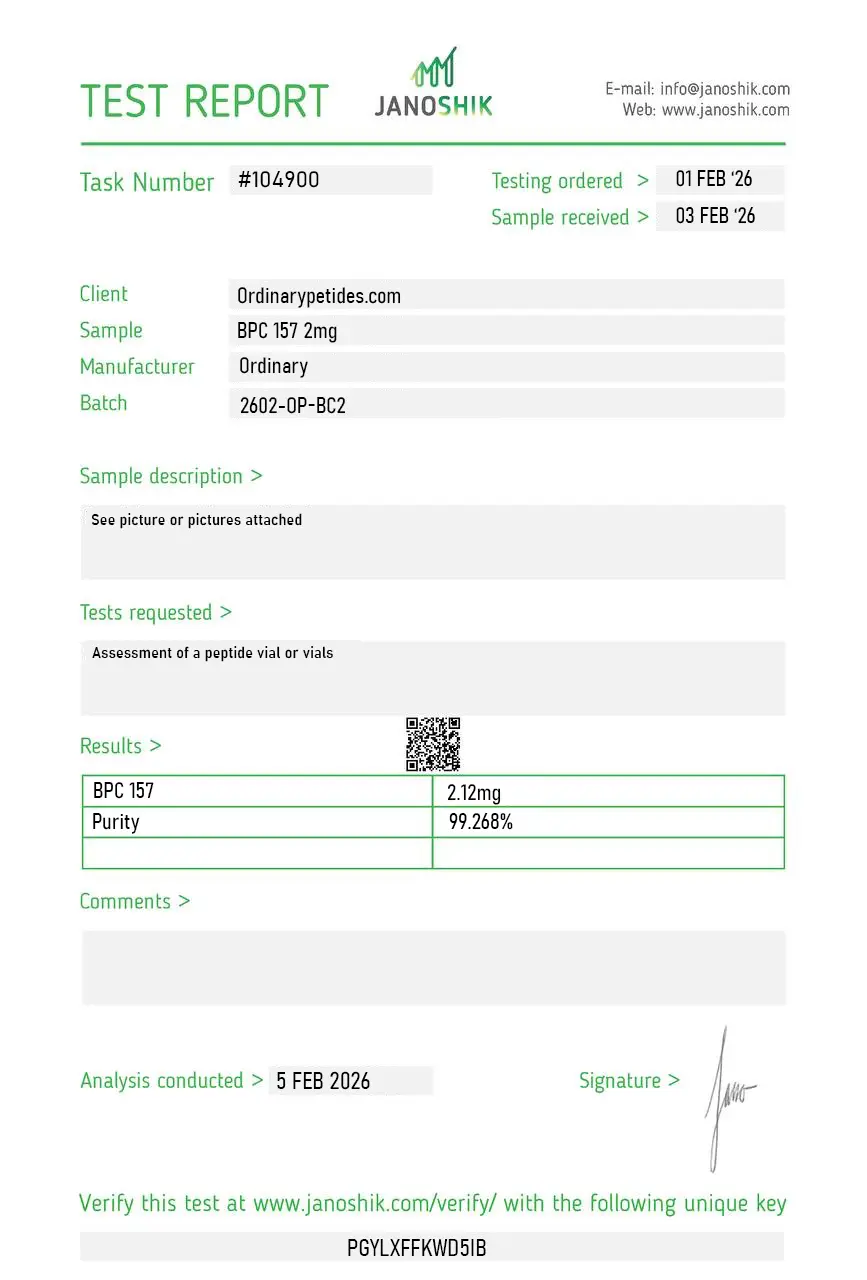
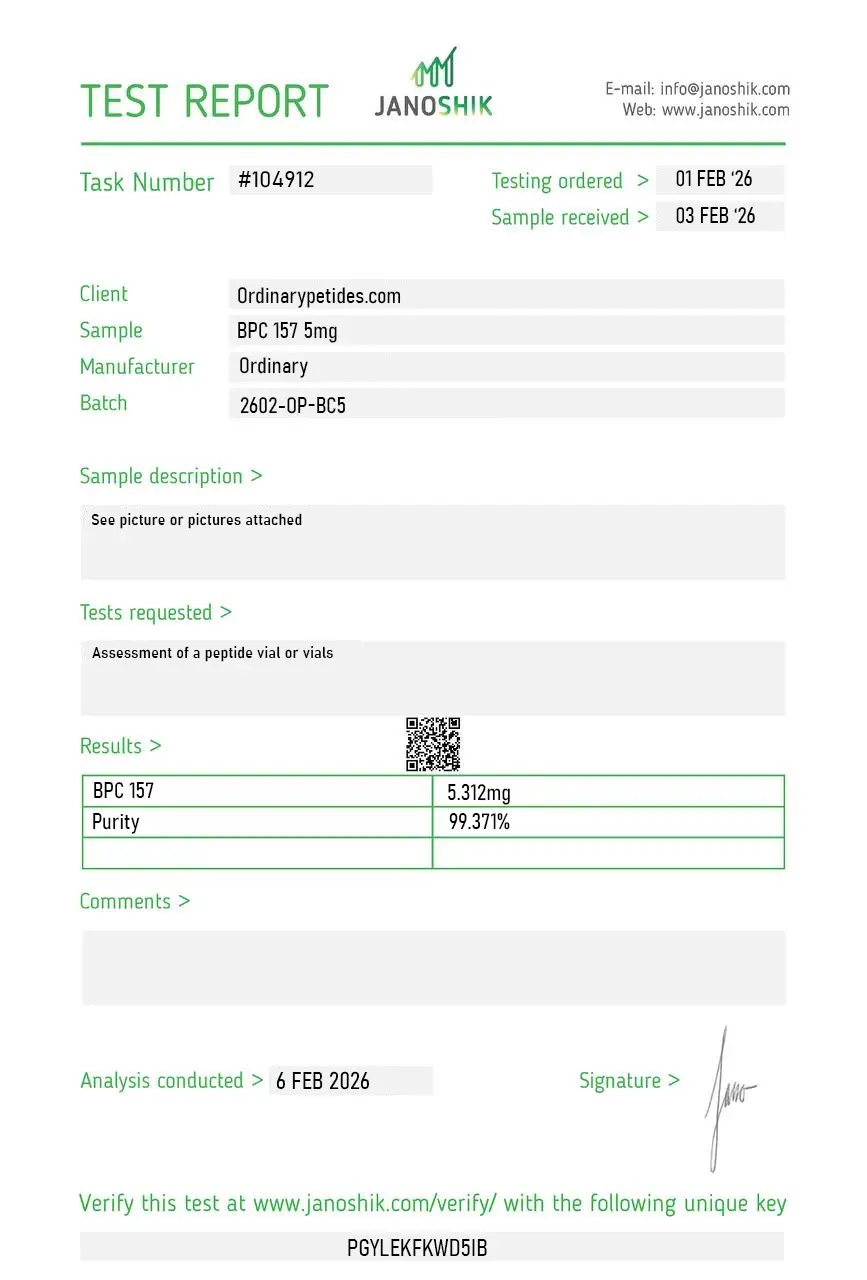
Independent test reports are available for BPC-157 2mg, 5mg, and 10mg batches. These reports provide batch-level documentation and analytical verification information for research reference.
Based on 4 reviews
4.8
-
3
-
1
For a fifteen-residue peptide marketed this widely, the identity verification is where I focus rather than purity — the GEPPPGKPADDAGLV sequence confirmed by mass spec settles what you actually have, and with this many vendors of uneven quality I won't infer identity from a purity figure alone. The certificate gave purity but not the sequence trace. Material checked out when we ran our own MS; I'd just rather the documentation did that work
The stability is genuinely the distinguishing feature and the part worth respecting — BPC-157 is a fragment of body-protection compound selected precisely because it resists gastric degradation, which is why it's a more tractable in-vitro reagent than many labile peptides. We exploit that robustness in extended-incubation assays where a less stable peptide wouldn't survive the timecourse. The material held its activity across our window, consistent with that designed stability.
What earned the order over the louder sources is the restraint — BPC-157 attracts near-universal-healing-agent claims, and a listing that confines itself to the angiogenic and cytoprotective pathway research rather than the marketing halo is the one I trust for defined mechanism work. For endothelial tube-formation studies where the claims I rely on are narrow and testable, that honest framing was the deciding factor. Consistent across two orders.
Our angle is the nitric-oxide-system interaction, which is one of the more mechanistically specific strands of the Zagreb work — BPC-157 is reported to modulate the NO pathway and interact with eNOS signaling, and that's a defined, testable claim rather than the vague "healing" framing. We probe that interaction in endothelial culture, and the material gave a consistent NO-pathway readout across the conditions we ran. A specific mechanism is easier to characterize than a universal one.
BPC-157 (Body Protection Compound-157, also called bepecin or PL 14736) is a synthetic 15-amino acid pentadecapeptide derived from a protein naturally found in human gastric juice. Its amino acid sequence is Gly-Glu-Pro-Pro-Pro-Gly-Lys-Pro-Ala-Asp-Asp-Ala-Gly-Leu-Val. It was first studied in the 1990s primarily by a research group in Croatia led by Professor Predrag Sikirić at the University of Zagreb. It is notable for its remarkable stability — it remains intact in human gastric juice for over 24 hours — which supports oral bioavailability, an unusual property for a peptide.
In research settings, BPC-157 is investigated for its influence on angiogenesis, collagen organization, nitric oxide signaling, and tissue-repair pathways.
Preclinical studies suggest a relatively favorable safety profile, but comprehensive long-term human safety data are limited.
In experimental models, it has been associated with tissue-repair signaling, gastrointestinal protection, and vascular support pathways.
Available research does not indicate significant hepatotoxicity in studied models, though long-term human data are limited.
Preclinical studies have not shown direct cardiotoxic effects; however, it remains an experimental compound without extensive long-term human data.
It is primarily used in laboratory research focused on regenerative biology, tendon repair models, angiogenesis, and gastrointestinal tissue studies.
It is a short experimental peptide that often accelerated healing and reduced tissue damage in animal models. In humans, its role remains unproven.
One cannot say so confidently. Early limited human data did not show obvious catastrophic issues, but FDA emphasizes the lack of data and the potential risks of compounded forms.
No. BPC-157 is prohibited by WADA as a non-approved substance.
The key point is not to confuse rich preclinical literature with proven clinical medicine. For BPC-157, that is the central theme of the whole story.
BPC-157 operates through multiple interconnected molecular pathways simultaneously, which is the basis for its wide range of reported preclinical effects. Its primary mechanism is activation of VEGFR2 — the vascular endothelial growth factor receptor — stimulating angiogenesis and new blood vessel formation critical for tissue repair. It also activates FAK-paxillin complexes that drive cell migration into damaged areas, stimulates JAK-2 signaling for cell survival and immune response, upregulates the master growth gene Egr-1, and activates ERK1/2 pathways for cellular proliferation. Additionally it modulates nitric oxide synthesis, influences serotonergic and dopaminergic neurotransmitter systems, and demonstrates cytoprotective effects on gastric and intestinal epithelium.
Animal studies — predominantly in rats and mice — have demonstrated effects across a remarkably broad range of conditions. In musculoskeletal medicine, it accelerated healing of tendon ruptures, ligament tears, muscle injuries, and bone fractures. In gastroenterology it protected and healed gastric ulcers, inflammatory bowel disease models, and intestinal damage. Neuroprotective effects have been observed in traumatic brain injury, spinal cord compression, and peripheral nerve transection models. Effects on neurotransmitter systems suggest potential applications in mood disorders. It has also shown organ-protective effects in models of liver, kidney, and cardiac injury. A 2025 systematic review covering 36 musculoskeletal studies from 1993 to 2024 confirmed consistent pro-healing, angiogenic, and anti-inflammatory effects in animal models.
BPC-157 is not approved by the FDA, EMA, or any major global regulatory authority. In 2023 the FDA designated it a Category 2 bulk drug substance — meaning it cannot be legally compounded by commercial pharmacies for human use. It is classified as an unapproved drug and cannot be legally sold as a dietary supplement. It is prohibited by WADA under the S0 Unapproved Substances category and banned in competitive sport. Despite this, it remains widely available through online vendors as a "research chemical" — a label that does not make its use legal or safe.