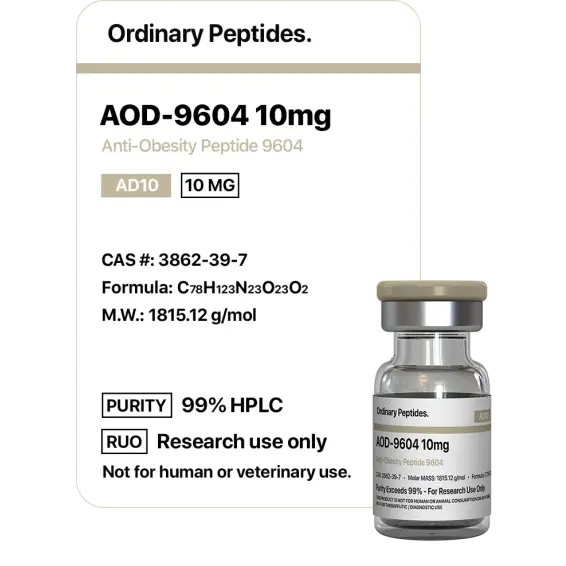
AOD9604
For in vitro testing and laboratory use only. Not for human or animal consumption. Bodily introduction is illegal. Handle only by licensed professionals. Not a drug, food, or cosmetic. Educational use only.
AOD9604: A Growth Hormone Fragment With a Real Scientific Biography and an Honest Outcome
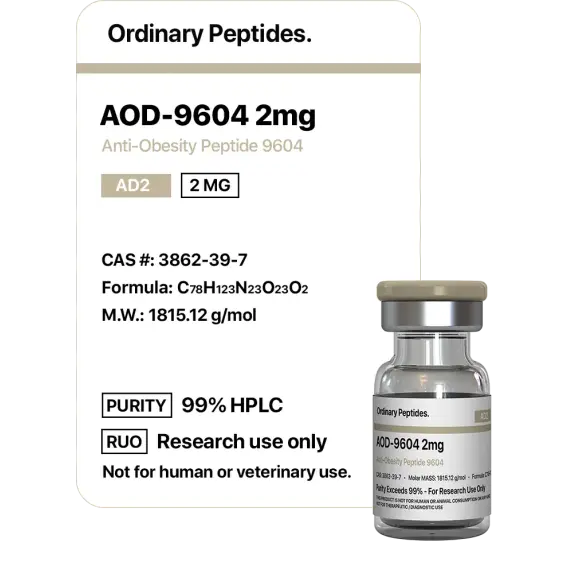
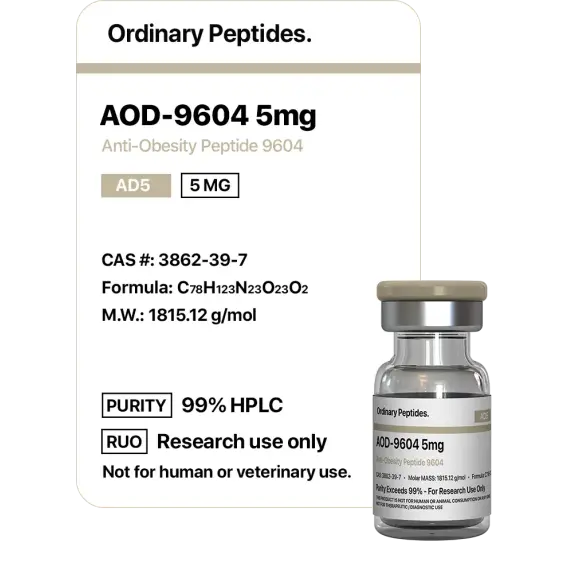
AOD9604 is not a "magic fat burner," but a synthetic peptide fragment of growth hormone, designed as a more precise attempt to isolate interest in fat metabolism without reproducing the full biological profile of hGH. In preclinical studies, it attracted attention because, in rodent models, it was associated with increased lipolysis, reduced fat gain, and more pronounced fat oxidation — and that is exactly what made the molecule notable in anti-obesity research.
In early human studies, interest in it was reinforced by another detail: it did not show the typical full-growth-hormone signals involving IGF-1 and carbohydrate metabolism, which made the design especially intriguing from a scientific perspective. But the real value of AOD9604 lies precisely in its honest scientific history: the molecule was genuinely studied in a serious way, yet it did not demonstrate convincingly meaningful weight loss across the full study population.
For that reason, AOD9604 is viewed today not as a finished solution, but as a noteworthy research candidate with a strong idea and a more modest outcome than the market tends to promise. If what interests you is a peptide with a real scientific biography rather than just a loud label, AOD9604 is definitely worth a closer look.
AOD9604: A Scientific Review of the hGH C-Terminal Fragment
Based on peer-reviewed literature and official regulatory records — see References. Last updated: April 2026.
The Short Version
AOD9604 is a 16-amino acid synthetic peptide derived from the C-terminal region of human growth hormone (hGH). It was developed in Australia in the late 1990s by Metabolic Pharmaceuticals, a company that spun out of Monash University, with a straightforward ambition: isolate the fat-burning properties of growth hormone and deliver them in a safe, orally active form, without triggering hGH’s problematic side effects — particularly IGF-1 elevation and insulin resistance.
Early animal studies were genuinely compelling. Human Phase 2 trials produced some promising signals. And then the definitive 24-week Phase IIb study, with 536 subjects, found no statistically significant weight loss compared to placebo.[3] Development was terminated in 2007.[7] The December 2024 FDA advisory committee rejection for compounding[8] and its continued WADA prohibition[10] make the regulatory picture clearer and more restrictive than it has ever been.
| At a glance | |
|---|---|
| Other names | hGH fragment 176–191, Tyr-hGH177–191 |
| Sequence | Tyr-hGH residues 177–191 (16 amino acids, with N-terminal tyrosine substitution) |
| Developed by | Metabolic Pharmaceuticals / Monash University, Australia (late 1990s) |
| Primary intended action | Lipolysis (fat breakdown); anti-lipogenesis |
| Does NOT activate | hGH receptor; does not raise IGF-1; does not impair glucose metabolism |
| Peak clinical stage | Phase IIb (failed; development terminated 2007) |
| FDA status | Not approved; rejected for compounding bulks list (PCAC, December 2024) |
| WADA status | Prohibited — S2 (Peptide Hormones, Growth Factors, and Related Substances) |
| GRAS status | Granted for food/supplement use (conditional); not a therapeutic approval |
Where It Came From
Human growth hormone has been known since the 1960s to have profound lipolytic (fat-mobilising) properties. But full hGH therapy carries significant baggage: it elevates IGF-1, impairs insulin sensitivity, and causes glucose intolerance. The logic driving AOD9604’s development was elegant: if growth hormone behaves like a pro-hormone with multiple distinct functional domains, perhaps one domain can be isolated and delivered independently.
Researchers at Monash University in Melbourne, Australia, identified that the C-terminal region of hGH — specifically residues 177–191 — appeared to harbour the molecule’s lipolytic activity separately from its growth-promoting and IGF-1-stimulating functions. The carboxyl terminus (amino acids 177–191) appears to be a lipid mobilising domain with inhibitory action on acetyl-CoA carboxylase activity in hepatocytes and adipocytes.[2] The synthetic peptide was modified by substituting a tyrosine for the phenylalanine at the N-terminal end — a change that stabilises the molecule — giving the final sequence: Tyr-hGH177–191. This became AOD9604 (the name standing for “Anti-Obesity Drug”).
Structure and Chemistry
AOD9604 is a 16-amino acid linear peptide with a molecular weight of approximately 1,817 Da. It is produced by standard solid-phase peptide synthesis. It is prepared by solid phase peptide synthesis and contains an additional tyrosine residue at the N-terminal end that stabilises the peptide. Investigation on the secondary structure of AOD9604 showed similarities to the homologous region in the naturally occurring hGH molecule.[2]
The oral activity claim — one of AOD9604’s most marketed features — deserves careful qualification. While early clinical trials tested both intravenous and oral dosing, the degree to which the oral form reaches systemic circulation in biologically relevant concentrations has never been rigorously established in published pharmacokinetic studies. The Phase IIb efficacy failure occurred with oral dosing, which is itself relevant evidence about the limits of oral bioavailability.
Mechanism of Action: What Is and Isn’t Known
What AOD9604 does not do
AOD9604 does not compete for the hGH receptor and nor does it induce cell proliferation, unlike hGH.[1] AOD9604 had no effect on serum IGF-1 levels, which confirms the hypothesis that AOD9604 does not act via IGF-1. Results of oral glucose tolerance tests demonstrated that, in contrast with hGH, AOD9604 has no negative effect on carbohydrate metabolism.[3] These are genuine and important distinctions confirmed across multiple clinical trials with laboratory measurements.
What AOD9604 appears to do
Both hGH and AOD9604 significantly reduced body weight gain in obese mice. This was associated with increased in vivo fat oxidation and increased plasma glycerol levels (an index of lipolysis).[1] The proposed mechanism involves the beta-3 adrenergic receptor pathway. Both hGH and AOD9604 are capable of increasing the repressed levels of beta-3-adrenergic receptor RNA in obese mice to levels comparable with those in lean mice. The importance of beta-3-adrenergic receptors was verified when long-term treatment with hGH and AOD9604 in beta-3-adrenergic receptor knockout mice failed to produce the change in body weight and increase in lipolysis that was observed in wild-type animals.[1]
However, the mechanism is not fully resolved: in an acute experiment, AOD9604 was capable of increasing energy expenditure and fat oxidation in the beta-3-adrenergic receptor knockout mice, which indicates additional mechanisms operate alongside beta-3 receptor upregulation. The mechanism of action of AOD9604 is not understood, although it clearly shares some of the biological effects of hGH on adipose tissues, but not others, for example IGF-1 production.[2]
| Claimed or observed effect | Evidence base | Confidence |
|---|---|---|
| Stimulates lipolysis in adipose tissue | Animal models (multiple) [1] | Good for animal models; unconfirmed in humans |
| Inhibits lipogenesis (fat storage) | Animal models | Good for animal models |
| No hGH receptor binding | Confirmed in vitro [1] | High |
| No IGF-1 elevation | Confirmed in multiple human clinical trials [3] | High |
| No insulin resistance or glucose impairment | Confirmed in multiple human clinical trials [3] | High |
| Beta-3 adrenergic receptor upregulation as mechanism | Animal knockout studies [1] | Partial — not the complete mechanism |
| Effective weight loss in humans | Not confirmed in definitive Phase IIb trial [3] | Low |
The Clinical Trial Programme
AOD9604’s human clinical programme was extensive for a compound that never reached approval. Six randomised, double-blind, placebo-controlled trials were conducted, involving approximately 925 adult subjects in total. Special focus was given to undesired effects associated with hGH treatment: increases in IGF-1 levels, insulin resistance, and impaired glucose tolerance. Blood samples were analysed for presence of anti-AOD9604 antibodies to exclude immunogenicity.[3]
Phase I and early Phase IIa (safety studies)
The Phase I trial involved single intravenous doses (25–400 µg/kg) in 15 healthy volunteers. Phase IIa studies explored both intravenous and oral dosing in obese males. These studies consistently confirmed the safety profile: no IGF-1 changes, no glucose impairment, no immunogenicity signals, and no serious adverse events.
Phase IIb — the decisive trials
Trial 1 (12-week, ~300 subjects): Subjects receiving AOD9604 lost, on average, 1.8 kg more than those receiving placebo. This was the finding that generated excitement and positioned the drug as a viable candidate.
Trial 2 (24-week, 536 subjects): A subsequent 24-week Phase IIb study with 536 subjects found no statistically significant weight-loss difference, leading to termination of development in 2007.[7] The intensive diet and exercise regimen required of all participants created a methodological challenge: when the control group is already achieving meaningful weight loss through lifestyle intervention, detecting an additional drug effect becomes statistically harder. This “floor effect” argument has been raised — but it is also a rationalisation that Metabolic Pharmaceuticals was unable to translate into a path forward.
| Trial | N | Duration | Route | Key finding |
|---|---|---|---|---|
| METAOD001 (Phase I) | 15 | Single dose | IV | Safe; no IGF-1 or glucose effects |
| METAOD002 (Phase IIa) | 23 | Single dose | IV | Safe; dose-dependent lipid effects |
| METAOD003 (Phase IIa) | 17 | Single dose | Oral | Safe and tolerable |
| Phase IIb Trial 1 | ~300 | 12 weeks | Oral | +1.8 kg more weight loss vs. placebo |
| Phase IIb Trial 2 [7] | 536 | 24 weeks | Oral | No significant weight loss vs. placebo; development terminated |
What Is Confirmed and What Remains Unknown
| Confirmed by published data | Not established |
|---|---|
| No hGH receptor binding [1] | Precise molecular receptor/mechanism of lipolytic action |
| No IGF-1 elevation in humans [3] | Efficacy for weight loss in properly controlled human trials |
| No impairment of glucose metabolism or insulin sensitivity [3] | Long-term safety in humans (trials were 12–24 weeks maximum) |
| No anti-AOD9604 antibodies detected [3] | Whether oral bioavailability is sufficient for any clinical effect |
| Lipolytic and anti-lipogenic effects in obese mice [1] | Whether short-term 12-week weight loss signal is reproducible |
| Safe and well-tolerated in short-term human trials (~925 subjects) [3] | Effects in specific populations (elderly, people with diabetes, etc.) |
| Statistically significant 1.8 kg advantage over placebo at 12 weeks | Whether this 1.8 kg difference is clinically meaningful |
| Failure to demonstrate efficacy in 24-week definitive trial [7] | What the exact mechanism is in humans |
Safety Profile
Across all six clinical trials involving approximately 925 subjects, AOD9604 demonstrated a consistent and favourable short-term safety profile. The absence of erythropoietic, anabolic, or diabetogenic effects — all concerns with full hGH — is confirmed and meaningful. No serious adverse events were reported. No immunogenicity was detected.[3]
What remains unknown: long-term safety beyond 24 weeks in any population; safety in people with active endocrine disease, cancer history, or pregnancy; potential consequences of repeated dosing over months or years; purity and safety profile of research chemical market versions.
The GRAS Status: What It Means and What It Doesn’t
After the pharmaceutical development was terminated, Metabolic Pharmaceuticals pursued a different regulatory pathway: GRAS (Generally Recognized As Safe) status for food and supplement use. AOD9604 was determined by an appropriately qualified GRAS panel of experts to be ‘Generally Recognised As Safe’ under conditions of intended uses of AOD9604 in foods.[4]
This is frequently misinterpreted. GRAS status is a food safety designation — it means the substance has been assessed as safe for use as a food ingredient or dietary supplement additive. It is not an efficacy claim, not equivalent to FDA drug approval, not a licence to use the compound as a therapeutic drug, and not applicable to injectable formulations. A substance can be GRAS and simultaneously fail pharmaceutical efficacy standards — AOD9604 is exactly that case.
Regulatory and Legal Status
| Jurisdiction | Status |
|---|---|
| FDA (USA) | Not approved for any indication; PCAC rejected for 503A compounding bulks list (December 2024) [8] |
| EMA (Europe) | Not approved |
| TGA (Australia) | Prescription-only medicine (Schedule 4); not approved for marketing; accessible via prescription and compounding |
| WADA | Banned under S2 (Peptide Hormones, Growth Factors, and Related Substances) [10] |
| GRAS | Yes — for food/supplement use only; does not confer therapeutic approval |
| Research chemical market | Widely sold; unregulated; “not for human consumption” |
The Essendon Football Club Controversy
AOD9604 gained public attention in Australia in 2012–2013 through the Essendon Football Club doping scandal. Players from the AFL club were found to have received AOD9604 as part of a supplement programme. Metabolic Pharmaceuticals denied conducting any human trials since 2007 or supplying the peptide to the club, but the episode brought AOD9604 into widespread public awareness. The WADA prohibition — which had been in place since 2011 — meant that athletes who used it faced anti-doping violations regardless of whether it actually enhanced performance.
Emerging Research Areas (Post-Development)
Cartilage and joint repair: Metabolic Pharmaceuticals reported in vitro evidence suggesting AOD9604 might stimulate chondrocyte growth — including bone, muscle, and cartilage cells. These results have not been replicated in animals or humans.
Fatty liver: A small animal study explored AOD9604’s effects in a high-fat diet-induced liver damage model in conjunction with endurance training.
Osteoarthritis: Some interest exists in AOD9604 as a potential adjunct for joint health, but no peer-reviewed human trial data supports this application.
Comparison with Related Compounds
| Compound | Mechanism | Clinical status | Key difference |
|---|---|---|---|
| AOD9604 | C-terminal hGH fragment; lipolysis via beta-3 AR upregulation | Development terminated 2007 | Failed definitive Phase IIb trial |
| Full hGH | Full hGH receptor activation; anabolic + lipolytic | FDA-approved (specific indications only) | Raises IGF-1; insulin resistance risk |
| Tesamorelin | GHRH analogue; stimulates endogenous hGH | FDA-approved (HIV lipodystrophy) | Hormonal; clinically validated for one indication |
| Semaglutide | GLP-1 receptor agonist | FDA-approved (obesity, T2DM) | Central appetite suppression + metabolism; robust evidence |
| CJC-1295 | GHRH analogue; increases hGH pulse | Research chemical | Raises total hGH and IGF-1; rejected for compounding (PCAC Dec 2024) |
| Ipamorelin | Ghrelin receptor agonist; hGH secretagogue | Research chemical | Raises hGH; rejected for compounding (PCAC Dec 2024) |
Common Misconceptions
“It’s GRAS-approved, so it’s safe and legal to use.”
GRAS applies to food ingredient use.[4] It says nothing about therapeutic or injectable applications, does not confirm clinical efficacy, and does not override FDA’s rejection of the compound for pharmaceutical compounding.[8] GRAS and drug approval are entirely separate regulatory frameworks.
“It burns fat without any hormonal effects — so it’s completely safe.”
The documented absence of hGH receptor activation and IGF-1 stimulation is a genuine and confirmed finding.[1][3] However, “no known hormonal effects” is not the same as “proven safe for any use.” Long-term safety data beyond 24 weeks does not exist.
“The 12-week trial proved it works.”
The 12-week trial showed a 1.8 kg difference versus placebo. The definitive 24-week trial in 536 subjects found no statistically significant difference.[7] In clinical development, the larger, longer, definitive trial is the evidence that matters for regulatory decisions — and that trial did not support the compound.
“WADA banned it because it works.”
WADA prohibits substances with potential for performance enhancement even without clinical proof of effect.[10] AOD9604’s WADA prohibition reflects its classification as a growth hormone-related substance with theoretical performance implications, not confirmed evidence that it meaningfully enhances athletic performance.
“Compounding pharmacies can prescribe it.”
The December 2024 PCAC rejection resolved that ambiguity: AOD9604 was explicitly rejected for inclusion on the 503A compounding bulks list.[8] US compounding pharmacies cannot legally compound it for human use.
Frequently Asked Questions
Is AOD9604 approved anywhere?
Not as a drug. It is a prescription-only medicine in Australia (Schedule 4), but this means it requires a prescription — not that it is approved as an efficacious therapeutic. No country’s regulatory agency has approved it for treatment of any condition.
Can compounding pharmacies in the US make it?
No. Following the December 4, 2024 FDA PCAC meeting, AOD9604 was rejected for inclusion on the 503A compounding bulks list.[8][9] US compounding pharmacies cannot legally compound it.
Is it on the WADA prohibited list?
Yes. It falls under S2 (Peptide Hormones, Growth Factors, and Related Substances) and is prohibited both in and out of competition. No Therapeutic Use Exemptions are granted.[10]
Why did it fail in trials?
The definitive 24-week Phase IIb study (536 subjects) found no statistically significant weight loss advantage over placebo.[7] The intensive lifestyle intervention required of all participants may have reduced the detectable drug effect, but the developers and regulators concluded the data did not support commercial development.
Is there any current active clinical development?
As of April 2026, no active clinical trials of AOD9604 for any indication appear in publicly available registries.
Key Takeaways
- AOD9604 had a credible scientific rationale — isolating the lipolytic domain of hGH without its hormonal side effects was a legitimate research goal, and the early animal and safety data were genuinely encouraging.[1][2]
- Its safety profile is the strongest part of the evidence base.[3] Across ~925 patients in six trials, no serious adverse events, no IGF-1 elevation, no glucose impairment, and no immunogenicity were found.
- Its efficacy data is the weakest part. The compound failed to demonstrate significant weight loss in its definitive 24-week, 536-subject Phase IIb trial.[7]
- The December 2024 FDA PCAC rejection has significantly tightened the regulatory picture.[8] The route that had allowed some US compounding pharmacies to prescribe it is now formally closed.
- WADA prohibition reflects theoretical concern, not confirmed performance enhancement.[10]
- Research chemical market products carry additional unknown risks — purity, sterility, and manufacturing standards are unverified, and the published clinical trial safety data applies only to pharmaceutical-grade material produced under GMP conditions.
References
Key Scientific Articles
- Heffernan M, Summers RJ, Thorburn A, et al. The effects of human GH and its lipolytic fragment (AOD9604) on lipid metabolism following chronic treatment in obese mice and beta(3)-AR knock-out mice. Endocrinology. 2001;142(12):5182–5189. PMID: 11713213
- Ng FM, Sun J, Sharma L, Söderling E, Gianello R. Metabolic studies of a synthetic lipolytic domain (AOD9604) of human growth hormone. Annals of the New York Academy of Sciences. 2000;921:262–272. PMID: 11146367
- Stier H, Vos E, Kenley D. Safety and Tolerability of the Hexadecapeptide AOD9604 in Humans. Journal of Endocrinology and Metabolism. 2013;3(1–2):7–15. jofem.org
- Moré MI, et al. Safety and Metabolism of AOD9604, a Novel Nutraceutical Ingredient for Improved Metabolic Health. Journal of Endocrinology and Metabolism. 2014. jofem.org
- Cox HD, Eichner D. Detection and in vitro metabolism of AOD9604. Drug Testing and Analysis. 2015;7(9):808–814. PMID: 25208511
- Misra M. Obesity pharmacotherapy: current perspectives and future directions. Current Cardiology Reviews. 2013;9(1):33–54. PMC3584306
Regulatory Sources
- Metabolic Pharmaceuticals Ltd. ASX Announcement: “Phase 2B results for AOD9604 do not support commercial viability (obesity indication).” February 21, 2007.
- FDA Pharmacy Compounding Advisory Committee (PCAC). Briefing Document: AOD-9604-related bulk drug substances. Meeting December 4, 2024. Docket No. FDA-2024-N-4777. fda.gov
- Federal Register. Pharmacy Compounding Advisory Committee; Notice of Meeting — AOD-9604-related bulk drug substances. Vol. 89, No. 207 (October 25, 2024). FR Doc No: 2024-24828.
- World Anti-Doping Agency. WADA Prohibited List — S2: Peptide Hormones, Growth Factors, and Related Substances. wada-ama.org
Researcher and Institutional Profiles
- Frank Ng, PhD — Monash University, Melbourne, Australia. Original discoverer and characteriser of hGH177–191 lipolytic activity.
- Metabolic Pharmaceuticals Ltd., Melbourne, Australia — Developer and patent holder of AOD9604; pharmaceutical clinical development sponsor (1998–2007).
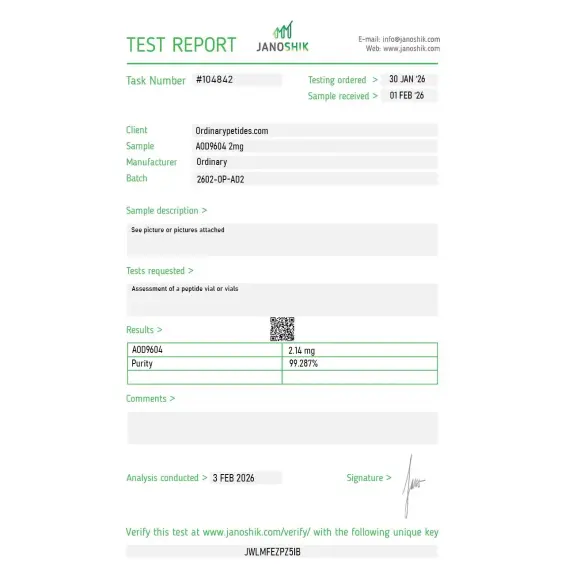
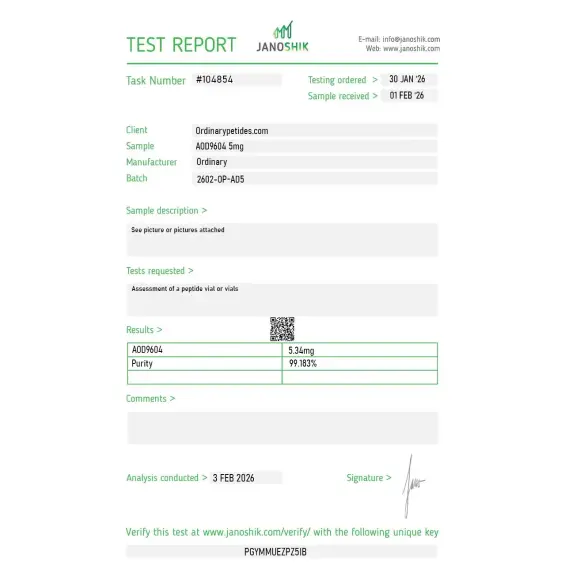
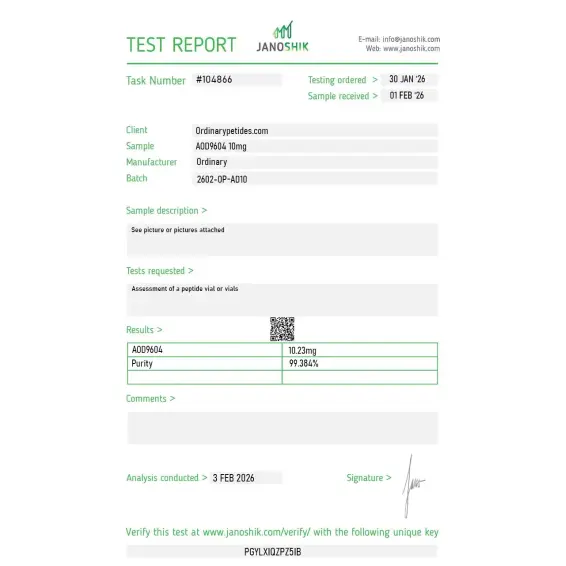
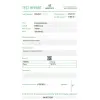
Certificate of Analysis
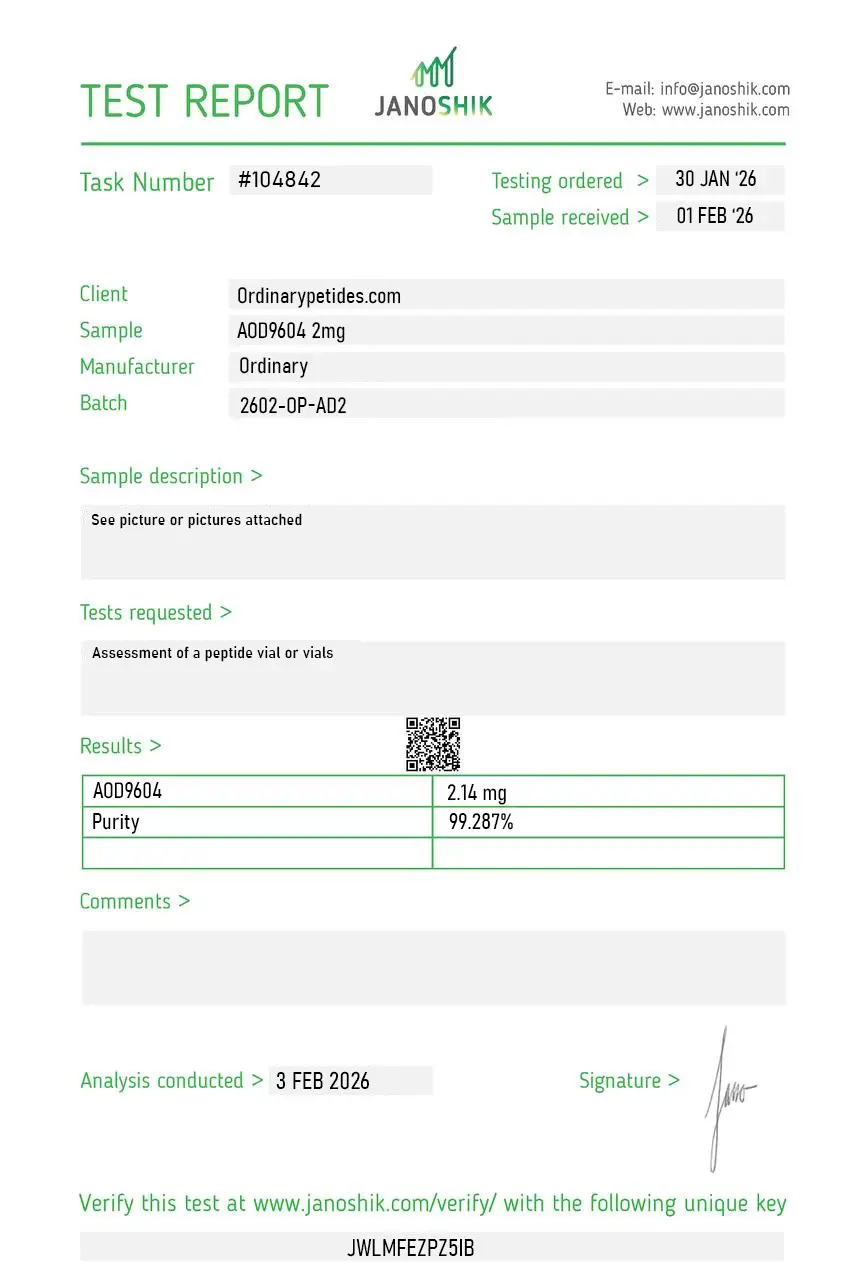
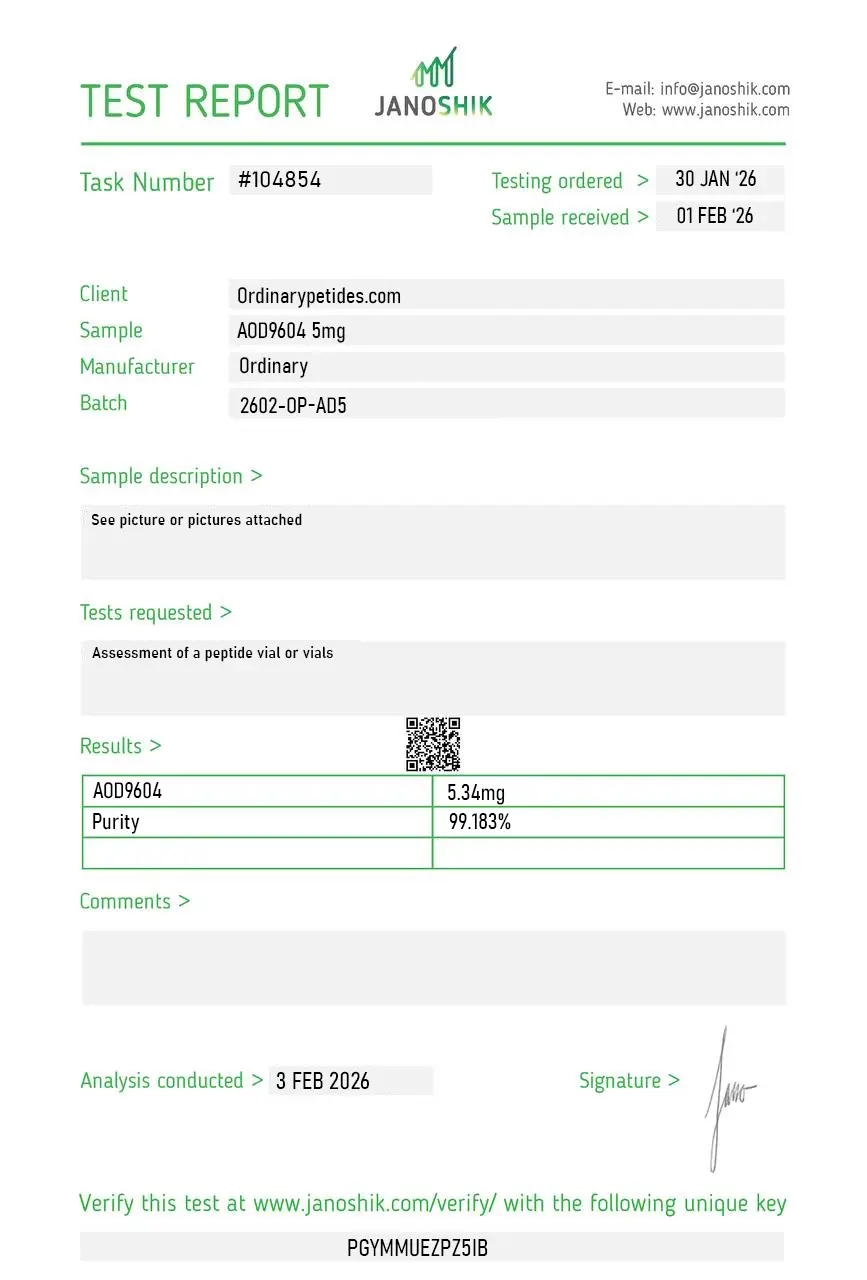
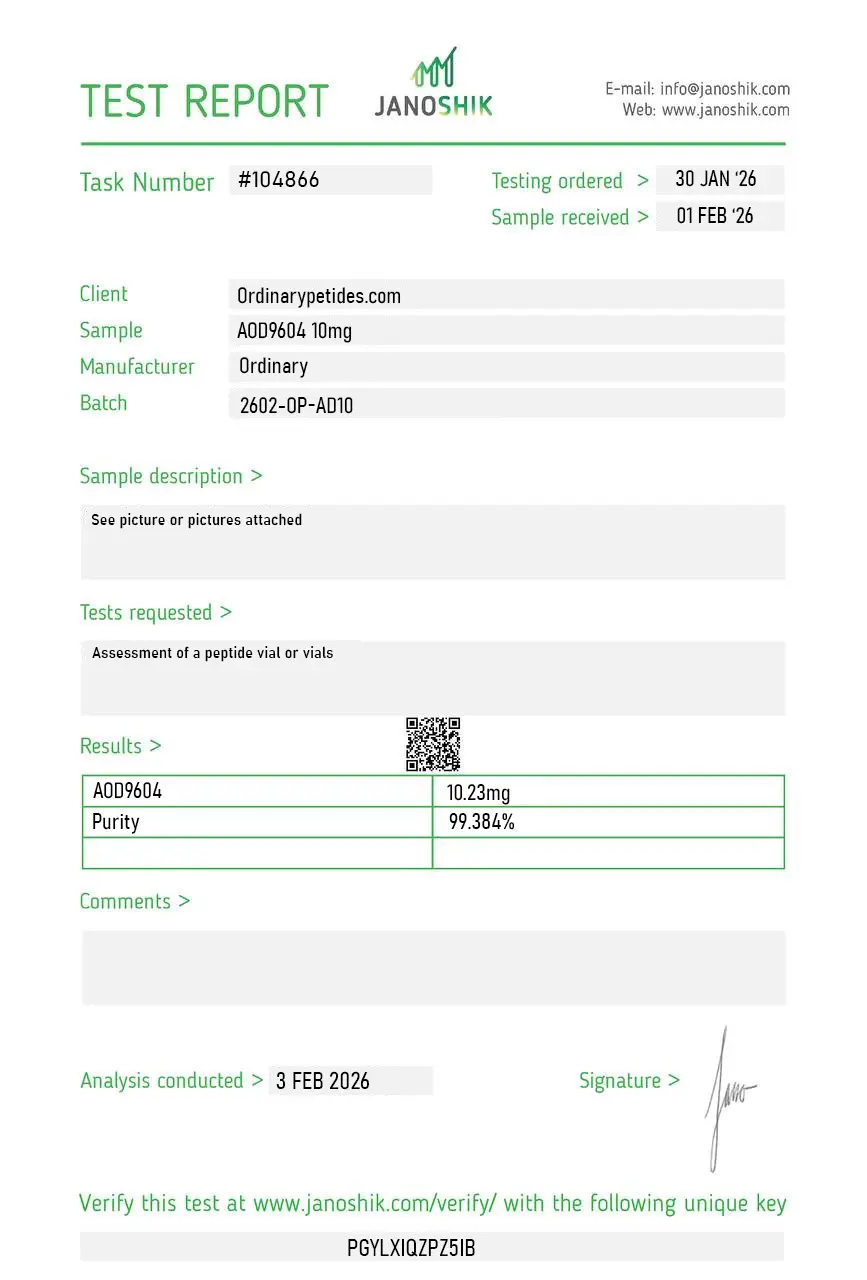
Independent test reports are available for AOD-9604 2mg, 5mg, and 10mg batches. These reports provide batch-level documentation and analytical verification information for research reference.
Based on 2 reviews
5.0
-
2
The functional-dissociation property is the entire research appeal for us — AOD retains the lipolytic-pathway signaling of the parent hormone fragment while lacking the IGF-1-stimulating and somatogenic activity full hGH carries. For isolating lipid-metabolism signaling from growth-receptor effects in adipocyte culture, that clean separation is hard to get any other way. The material reproduced that dissociation in our assays exactly as the design intends.
We treat its failed clinical history as a feature, not a caveat — AOD is a useful case study in why a clean preclinical lipolytic mechanism doesn't guarantee a clinical result, and we use it in a methods context examining translation gaps between in-vitro signaling and trial endpoints. The Phase IIb missing its mark is exactly the kind of instructive failure worth studying. The compound itself behaved consistently in the in-vitro arm, which is all the case study requires.
AOD9604 (Anti-Obesity Drug 9604) is a synthetic 16-amino acid peptide fragment derived from the C-terminal domain of human growth hormone — specifically amino acids 176 to 191 — with an additional tyrosine residue added at the N-terminus for stability. It was originally developed by Metabolic Pharmaceuticals in Australia during the 1990s with the intention of capturing growth hormone's fat-metabolizing properties while eliminating its broader hormonal and anabolic effects. The name reflects its original purpose — it was literally developed as an anti-obesity drug candidate.
In research models, it is believed to stimulate lipolysis (fat breakdown) and inhibit lipogenesis (fat formation) within adipose tissue while minimizing IGF-1 activation.
Early clinical and laboratory studies have shown effects on fat-metabolism pathways; however, outcomes vary depending on dosage, protocol, and research conditions.
In research settings, metabolic pathway changes are typically evaluated over weeks rather than days, depending on study design and dosing structure.
Available studies suggest a relatively mild side-effect profile compared to full growth hormone, though comprehensive long-term safety data are limited.
AOD9604 is not FDA-approved as a prescription medication and is supplied strictly for research purposes.
Yes. It is a peptide fragment of human growth hormone, not full hGH.
This refers to the region of the growth-hormone molecule on which AOD9604 was based. In clinical and FDA materials, it is described as a modified C-terminal fragment of hGH.
Early tolerability looked fairly good, but long-term safety—and the safety of some administration routes—remain insufficiently clear. FDA explicitly emphasizes the limited nature of the safety information.
<p>
No. There is no official therapeutic approval. WADA has separately stated that it has not been approved by any governmental medical authority.
</p>
AOD9604 targets adipose tissue metabolism through a mechanism that remains incompletely understood. Unlike full-length growth hormone it does not bind to GH receptors, does not stimulate IGF-1 production, and does not trigger the anabolic or diabetogenic effects associated with HGH therapy. Its primary documented actions are stimulating lipolysis — the breakdown of stored fat into free fatty acids — inhibiting lipogenesis — the formation of new fat cells — and increasing fat oxidation and energy expenditure. One identified mechanism involves upregulation of beta-3 adrenergic receptors in fat cells, which are the primary lipolytic receptors in adipose tissue. Notably it appears to preferentially target white adipose tissue and may have a particular affinity for visceral and abdominal fat deposits.
AOD9604 has an unusually extensive human safety database for an unapproved peptide — over 900 participants across six randomized, double-blind, placebo-controlled trials. Safety results across all trials were consistently positive — no effect on IGF-1 levels, no impairment of glucose tolerance, no antibody formation, and a side effect profile indistinguishable from placebo. Early efficacy trials showed some promise with weight loss in obese participants. However the largest Phase IIb trial with 500 obese adults — which incorporated an intensive diet and exercise regimen — failed to demonstrate statistically significant weight loss over placebo. This inconsistency in efficacy led Metabolic Pharmaceuticals to terminate the obesity drug development program in 2007.
AOD9604 has one of the most reassuring safety profiles of any research peptide in this series — confirmed across six controlled human trials with over 900 participants. No serious adverse events were reported. No IGF-1 elevation, no glucose intolerance, no insulin resistance, no antibody formation, and no genotoxicity were detected. The most commonly reported effects are mild injection site reactions. The compound is considered non-diabetogenic — a key advantage over full-length HGH — and does not carry the cardiovascular or metabolic risks associated with growth hormone therapy.
Competitive athletes subject to WADA drug testing must avoid it as it is a prohibited substance. Pregnant or breastfeeding women should not use it in the absence of safety data for these populations. People with active cancer should exercise caution given its pro-lipolytic and angiogenic properties, though no direct evidence of harm exists in this context. Anyone seeking it for fat loss should understand that its largest clinical trial failed to demonstrate meaningful efficacy over placebo — particularly when diet and exercise are incorporated — meaning its primary benefit over proven lifestyle interventions remains unestablished.