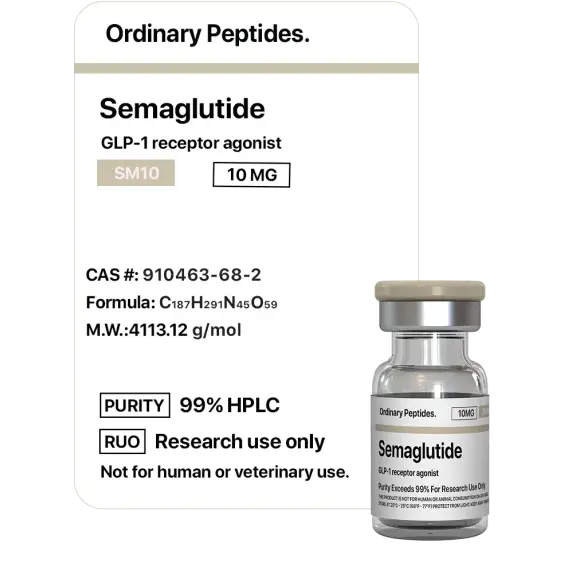
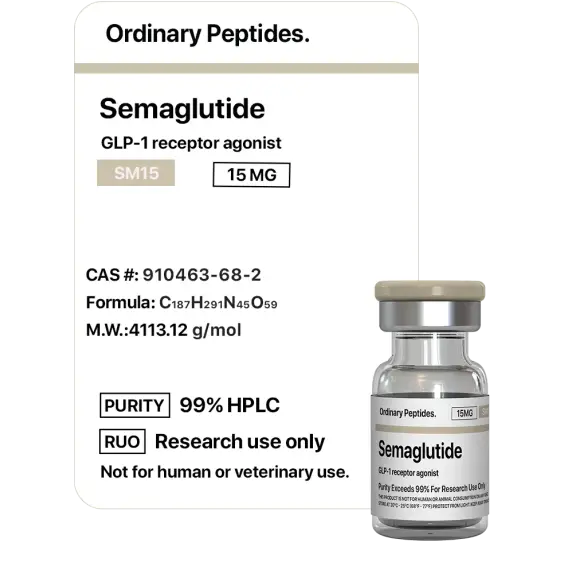
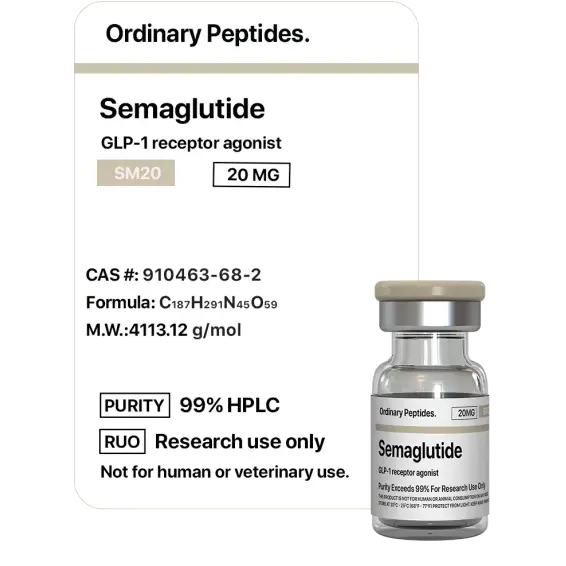
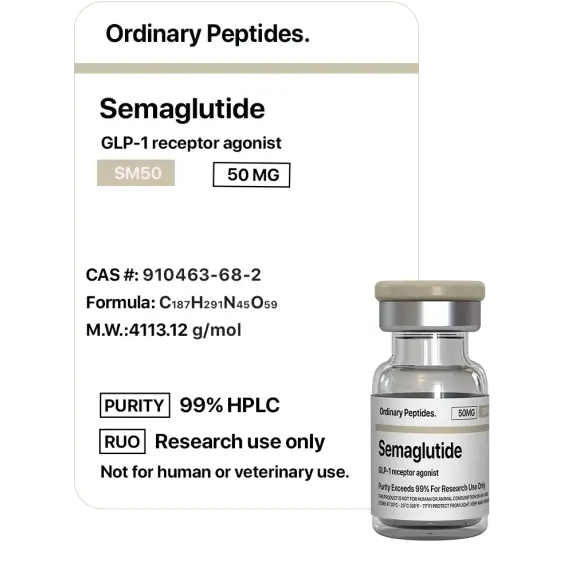
Semaglutide
For in vitro testing and laboratory use only. Not for human or animal consumption. Bodily introduction is illegal. Handle only by licensed professionals. Not a drug, food, or cosmetic. Educational use only.
Semaglutide: More Than Just a Weight-Loss Drug
Semaglutide is not just a "weight-loss shot," but one of the most seriously studied GLP-1 peptides in modern metabolic medicine. In clinical trials and within approved indications, it has shown convincing body-weight reduction, improved glycemic control, and, in certain populations, reduced cardiovascular and renal risk — which is exactly what has made it one of the most notable molecules in its class.
But the whole point lies in the nuances: Ozempic, Rybelsus, and Wegovy are the same molecule, but with different forms, doses, and purposes, so "semaglutide in general" is too crude a simplification. In published data in obesity, the effect looked genuinely strong, but after discontinuation part of the weight usually returned — so the story here is more about a long-term strategy than a quick "fix."
The drug is not about magic without a price: gastrointestinal reactions, tolerability issues, and certain risks are a real part of the picture. That is why semaglutide is compelling not because of hype, but because this is one of those rare cases where real popularity is backed by a large, mature, and very convincing evidence base.
Practical Takeaway
Semaglutide is best understood not as a trendy shortcut, but as a serious long-term metabolic therapy whose value depends on the specific formulation, indication, and treatment context.
Semaglutide (Ozempic / Wegovy / Rybelsus): A Scientific Review
Based on peer-reviewed literature — see References. Last updated: April 2026.
The Short Version
If the history of medicine identifies one pharmacological development that defined the 2020s, it will almost certainly be semaglutide. Weight loss of 15–17% in large Phase 3 RCTs, cardiovascular mortality reduction in people without diabetes, metabolic liver disease treatment, kidney protection, sleep apnoea improvement, and now an oral formulation — semaglutide didn’t just launch a blockbuster drug. It shifted the clinical and cultural conversation about what obesity is, what it means to treat it, and whether diet and willpower were ever medically sufficient interventions.
Semaglutide is a 31-amino acid peptide with 94% homology to human GLP-1, engineered for DPP-4 resistance and albumin binding to achieve a 7-day half-life. It is a selective GLP-1 receptor agonist — unlike tirzepatide, it does not activate GIP receptors; unlike retatrutide, it adds no glucagon receptor activation. Its weight loss efficacy (15–17% in STEP trials) is therefore impressive specifically on one receptor axis, and its cardiovascular benefit — proven in people without diabetes in SELECT — is the most important clinical pharmacology finding in metabolic medicine in a generation.[5]
| At a glance | |
|---|---|
| Generic name | Semaglutide |
| Structure | 31-amino acid peptide; 94% homology to human GLP-1; fatty diacid at Lys26 |
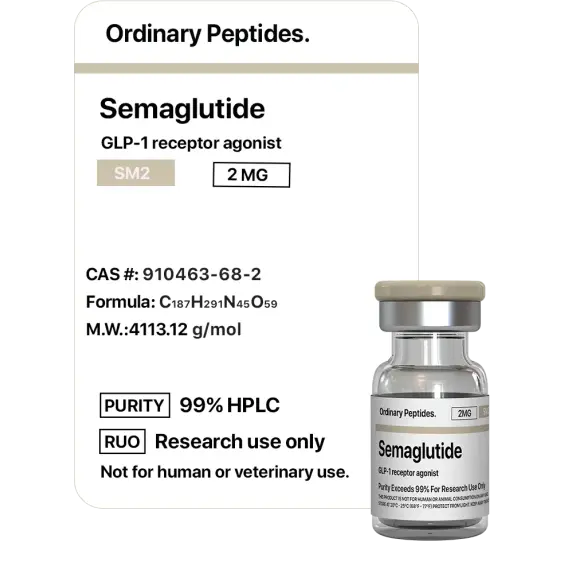
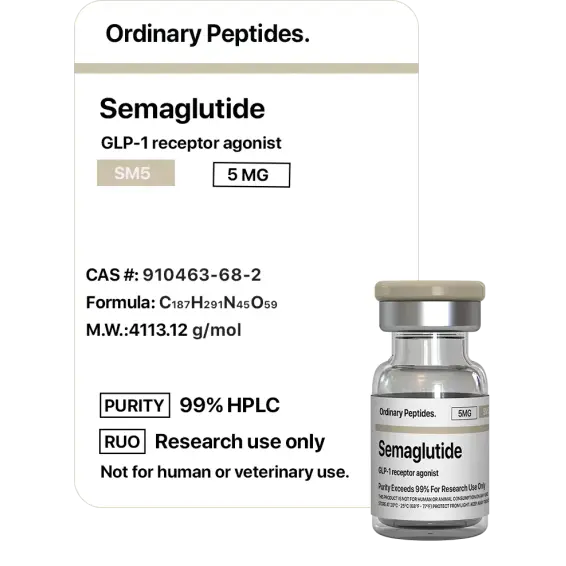
| Molecular weight | 4,113.58 g/mol (C¹&sup8;&sup7;H²&sup9;¹N&sup4;&sup5;O&sup5;&sup9;) |
| Receptor target | GLP-1 receptor only (selective agonist) |
| Half-life | ~7 days (subcutaneous) |
| Developer | Novo Nordisk |
| First approval | December 2017 (Ozempic, FDA) |
| Formulations | SC injection (Ozempic, Wegovy); daily oral tablet (Rybelsus; Wegovy pill 25 mg) |
| US prescriptions (2023) | >25 million — 19th most prescribed medication in the US |
Complete FDA Approval Timeline
| Year | Brand | Indication | Formulation |
|---|---|---|---|
| Dec 2017 | Ozempic | T2DM glycaemic control | SC injection |
| Sep 2019 | Rybelsus | T2DM glycaemic control | Oral tablet (7/14 mg) |
| Jun 2021 | Wegovy | Chronic weight management (adults + adolescents ≥12) | SC injection 2.4 mg |
| Mar 2024 | Wegovy | MACE risk reduction (obesity + established CVD) | SC injection 2.4 mg |
| Jan 2025 | Ozempic | CKD risk reduction (T2DM + CKD) | SC injection 1 mg |
| Aug 2025 | Wegovy | MASH (noncirrhotic, F2–F3 fibrosis) | SC injection 2.4 mg |
| Oct 2025 | Rybelsus | MACE risk reduction in T2DM | Oral tablet 14 mg |
| Dec 2025 | Wegovy pill | Chronic weight management + MACE risk reduction | Oral tablet 25 mg |
Structure: Engineering a 7-Day GLP-1
Native GLP-1 has a plasma half-life of approximately 2 minutes, inactivated by DPP-4 and cleared by the kidney. Semaglutide’s structural engineering solves three problems simultaneously.
DPP-4 resistance (position 8)
Native GLP-1 has alanine at position 8 — the DPP-4 cleavage site. Semaglutide replaces this with 2-aminoisobutyric acid (Aib), whose additional methyl group sterically blocks DPP-4 access, dramatically extending plasma stability.
Albumin binding (position 26, fatty diacid)
A C18 fatty diacid chain is attached to the lysine residue at position 26 via a linker. This allows semaglutide to bind reversibly to serum albumin — too large to be renally filtered and not rapidly degraded — acting as a plasma reservoir that releases free drug slowly. This strategy extends the half-life from 2 minutes to approximately 7 days, enabling once-weekly dosing.
Reduced immunogenicity (position 34) and oral bioavailability (SNAC)
The lysine at position 34 is replaced by arginine, reducing immunogenicity and facilitating manufacturing. For the oral formulations (Rybelsus, Wegovy pill), the enabling technology is SNAC (sodium N-[8-(2-hydroxybenzoyl)amino]caprylate) — a co-formulated excipient that creates a local pH microenvironment in the gastric mucosa, temporarily increasing semaglutide’s lipophilicity and facilitating transcellular absorption directly through the stomach wall, bypassing intestinal peptidase degradation. Oral semaglutide 25 mg achieves systemic exposures that provide meaningful clinical efficacy despite lower absolute bioavailability than injectable formulations.
Mechanism of Action
Pancreatic effects (glycaemic)
Semaglutide is a highly selective full agonist of the GLP-1 receptor (GLP-1R) — a class B GPCR expressed in the pancreas, brain, gastrointestinal tract, kidney, heart, and other tissues. Pancreatic β-cell GLP-1R activation stimulates insulin release in proportion to prevailing blood glucose concentration — the glucose-dependence that makes semaglutide unsuitable for causing hypoglycaemia as monotherapy. GLP-1R on α-cells suppresses glucagon secretion in the fed state, reducing hepatic glucose output. GLP-1R agonism also promotes β-cell survival and may partially restore β-cell mass.
CNS effects (weight loss)
The weight loss mechanism operates centrally. GLP-1 receptors are expressed in the hypothalamus (arcuate nucleus, PVN, dorsomedial nucleus), brainstem (nucleus tractus solitarius, area postrema), and limbic regions. Semaglutide suppresses NPY and AgRP (hunger-promoting) neurons and stimulates POMC (satiety-promoting) neurons; area postrema signalling modulates meal termination and nausea signals; vagal afferent pathways amplify satiety signals; and limbic GLP-1R reduces the hedonic drive to eat. The net clinical result: slower gastric emptying, reduced appetite, reduced food reward, and spontaneous caloric restriction without the hunger that characterises all other forms of calorie reduction.
Peripheral effects (cardiorenal)
The mechanism of cardiovascular benefit is not fully characterised but likely involves direct cardioprotection via GLP-1R on cardiomyocytes (anti-inflammatory, anti-apoptotic signalling); renal protection via GLP-1R in podocytes and tubular cells; indirect benefits via weight loss, blood pressure reduction, and inflammation reduction; and anti-atherosclerotic effects via GLP-1R in macrophages and vascular smooth muscle. Critically, a 2025 prespecified SELECT analysis found that the cardioprotective effects of semaglutide were independent of baseline adiposity and weight loss — suggesting direct tissue-level mechanisms beyond weight reduction alone.[7]
The SUSTAIN Programme: T2DM Evidence
The SUSTAIN programme comprised 10 Phase 3 trials establishing injectable semaglutide in T2DM. SUSTAIN-6 (Marso et al., NEJM, 2016): N=3,297 high-risk T2DM patients; primary MACE: HR 0.74 (95% CI 0.58–0.95) — a 26% relative risk reduction, driven primarily by non-fatal stroke reduction.[4] This established semaglutide’s cardiovascular safety (required by FDA) and provided the initial CV benefit signal that SELECT would later confirm and dramatically extend. SUSTAIN-1 through -7 established superiority over placebo, sitagliptin, exenatide, basal insulin, canagliflozin, and dulaglutide on HbA1c and weight endpoints.
The STEP Programme: Obesity Evidence
STEP 1 (Wilding et al., NEJM, 2021): N=1,961 adults without T2DM; 68 weeks; mean weight loss 14.9% vs. 2.4% placebo; 69.1% achieved ≥10% weight loss; 50.5% achieved ≥15%. The landmark weight loss RCT that launched semaglutide as an obesity drug.[1]
STEP 2 (Davies et al., Lancet, 2021): N=1,210 adults with T2DM; mean weight loss 9.6% vs. 3.4% placebo; HbA1c reduction −1.6% vs. −0.4%.[2] STEP 4 maintenance: discontinuation led to regain of approximately 7 percentage points of the 17.4% initially achieved — confirming the chronic disease model. STEP 5 (Garvey et al., Nature Medicine, 2022): 2-year maintenance; mean weight loss 15.2% at 104 weeks — sustained and not plateauing at 1 year.[3] STEP-HFpEF: significant improvements in NYHA functional class and Kansas City Cardiomyopathy Questionnaire scores in patients with HFpEF and obesity.
SELECT: The Most Important Trial in This Series
The SELECT trial is the most clinically important large RCT in this entire article series. It changed the fundamental justification for treating obesity pharmacologically.
Design: N=17,604 adults; mean age 61.6 years; BMI ≥27 kg/m²; established CVD (prior MI, stroke, or peripheral arterial disease); no history of diabetes. Randomised 1:1 to semaglutide 2.4 mg SC weekly vs. placebo; mean exposure 34.2 months.[5]
Before SELECT, the argument for treating obesity pharmacologically rested primarily on metabolic improvements and quality of life. SELECT demonstrated, for the first time in a large randomised trial, that a pharmacological weight loss intervention reduces hard cardiovascular endpoints in people without diabetes. This transforms the risk-benefit equation: semaglutide is no longer being evaluated on weight reduction alone but on mortality and major organ outcomes. The weight-independent CV benefit signal (Deanfield et al., Lancet, 2025) further suggests direct anti-inflammatory and organ-level mechanisms operating beyond adiposity reduction.[7]
The PIONEER Programme: Oral Semaglutide T2DM
The PIONEER programme of 10 trials established Rybelsus (oral semaglutide, 7/14 mg daily) for T2DM, including non-inferiority to sitagliptin and superiority to empagliflozin and liraglutide on HbA1c at 14 mg dose. The SOUL trial (NEJM, March 2025): oral semaglutide 14 mg in 9,650 T2DM patients with established CVD or CKD; primary MACE HR 0.86 (14% RRR, p=0.02), driven primarily by non-fatal MI reduction. FDA approved Rybelsus for MACE risk reduction in October 2025.[8]
New Approvals: 2025
MASH (Wegovy, August 2025)
Semaglutide became the second approved drug for MASH (after resmetirom), based on the Phase 3 ESSENCE trial showing histological improvement in liver fibrosis in patients with noncirrhotic MASH (F2–F3 fibrosis). Semaglutide’s hepatic effects — via weight loss and direct GLP-1R signalling in hepatocytes and stellate cells — produced fibrosis regression, the hardest liver endpoint to achieve.
Chronic kidney disease (Ozempic, January 2025)
The FLOW trial established semaglutide 1 mg SC weekly for renal protection in T2DM + CKD — significant reduction in kidney failure, CKD progression, and CV death. This is the first GLP-1 approved specifically for kidney outcomes.[10]
Oral Wegovy 25 mg (December 2025)
The FDA approved the first oral GLP-1 receptor agonist for weight management — oral semaglutide 25 mg (Wegovy pill). In the OASIS 4 trial, oral semaglutide 25 mg achieved 13.6% mean weight loss (treatment-policy analysis) vs. 2.2% placebo at 64 weeks; one-third of adherent participants achieved ≥20% weight loss. At 13.6% mean weight loss by intent-to-treat, oral Wegovy produces less weight reduction than injectable Wegovy (15–17%) but substantially more than any prior oral anti-obesity drug, while eliminating the injection barrier at lower self-pay cost ($149/month at launch).[9]
Evidence Summary
| Trial programme | Key finding | N | Evidence quality |
|---|---|---|---|
| STEP 1 [1] | −14.9% weight loss at 68 weeks, without T2DM | 1,961 | Strong (Phase 3 RCT) |
| STEP 2 [2] | −9.6% weight loss with T2DM; −1.6% HbA1c | 1,210 | Strong (Phase 3 RCT) |
| STEP 5 [3] | −15.2% weight loss sustained at 2 years | 304 | Strong (Phase 3 RCT) |
| SELECT [5] | −20% MACE HR in obesity+CVD without T2DM | 17,604 | Landmark (Phase 3 CV outcomes) |
| SUSTAIN-6 [4] | −26% MACE HR in T2DM | 3,297 | Strong |
| SOUL [8] | −14% MACE HR oral semaglutide in T2DM | 9,650 | Strong |
| FLOW [10] | Renal protection in T2DM + CKD | ~3,533 | Strong |
| ESSENCE | MASH fibrosis regression (MASH approval) | ~800 | Moderate (accelerated approval) |
| OASIS 4 (oral Wegovy) [9] | −13.6% weight loss oral semaglutide 25 mg | 307 | Moderate (Phase 3, smaller N) |
Safety
GI side effects
In pooled STEP 1–3 data: nausea 43.9% semaglutide vs. 16.1% placebo; diarrhoea 29.7% vs. 15.9%; vomiting 24.5% vs. 6.3%; constipation 24.2% vs. 11.1%. These events peaked around weeks 8–20, were usually mild-to-moderate and transient, and are substantially mitigated by the standard slow dose escalation protocol. Discontinuation due to adverse events was 6.8%.
Boxed warning: thyroid C-cell tumours
⚠️ Semaglutide carries a class boxed warning based on rodent studies showing C-cell hyperplasia and medullary thyroid carcinoma. This finding has not been replicated in humans — the incidence of MTC in SELECT and SUSTAIN-6 was not significantly elevated. Semaglutide is contraindicated in patients with personal or family history of MTC or MEN2.
Pancreatitis
A class-level concern based on early pharmacovigilance. In large outcome trials (SELECT, SUSTAIN-6), acute pancreatitis rates were not significantly different between semaglutide and placebo. A causal relationship has not been established but remains a labelled warning.
NAION (new signal, 2025)
⚠️ PRAC has determined that NAION (non-arteritic anterior ischaemic optic neuropathy) is a very rare side effect of semaglutide medicines including Ozempic, Rybelsus and Wegovy, and has recommended that NAION be included in product information with a frequency of ‘very rare’ (affecting up to 1 in 10,000 people). If patients using semaglutide experience sudden vision loss or rapid deterioration in eyesight, they should promptly contact their physician. If NAION is confirmed, treatment should be discontinued.
Suicidality assessment (resolved)
In July 2023, the Icelandic regulatory authority reported suicidal thoughts in semaglutide users, triggering a broad safety review. The FDA completed its assessment in January 2024 and found no evidence supporting a causal relationship between semaglutide and suicidal ideation. The suicidality warning was not added to US labelling.
Weight regain on discontinuation
After stopping semaglutide, individuals on average regain about two-thirds (67%) of the weight they lost during treatment within the following year, with full regain to baseline typically occurring within approximately 1.5 years on average. This is not a drug failure — it is the biology of obesity as a chronic, relapsing disease whose neural circuits and adipose tissue biology are managed but not cured by pharmacological GLP-1R agonism.
The Compounding Controversy
Semaglutide shortages (beginning 2022) created conditions for the largest compounding pharmacy controversy in modern pharmaceutical history. FDA placed Ozempic and Wegovy on the shortage list, triggering federal law provisions allowing 503A and 503B compounders to prepare versions of the drug. As of January 2026, there were up to 1.5 million users of compounded GLP-1 drugs in the United States. The FDA cautioned that formulations containing semaglutide sodium or semaglutide acetate (salt forms) had not yet been shown to be safe and effective. After FDA removed Ozempic and Wegovy from the shortage list (early 2024), compounders initiated legal action arguing supply remained inadequate; decisions on compounding access were pending as of early 2026.
⚠️ For patients: compounded semaglutide at a fraction of brand prices is commercially appealing, but purity, dosing accuracy, stability, and the specific salt form cannot be independently verified. The FDA’s position is that branded products should be used when available.
Common Misconceptions
“Semaglutide is just an appetite suppressant — it doesn’t treat the underlying disease.”
Semaglutide addresses obesity biology at the neural circuit level — specifically the hypothalamic and brainstem systems that regulate energy homeostasis. Characterising it as “just an appetite suppressant” understates the pharmacological specificity of central GLP-1 receptor engagement. Additionally, the cardiovascular and organ-protective benefits are independent of appetite effects.
“The weight loss is not real — it’s mostly muscle.”
Body composition studies in STEP trials show approximately 83% of weight lost was fat mass, with 17% lean mass — a ratio comparable to dietary weight loss and better than some surgical comparisons. Lean mass reduction is real and clinically relevant, particularly in older adults, which has driven interest in combining GLP-1 agonists with resistance exercise and adequate protein intake.
“Compounded semaglutide is the same as Ozempic.”
The active peptide may be identical in well-manufactured compounded versions, but quality assurance, sterility testing, accurate dosing, and stability data are not equivalent to FDA-overseen branded products. Salt forms (sodium salt, acetate salt) may have different pharmacokinetics and have not been safety-assessed.
Frequently Asked Questions
How does semaglutide compare to tirzepatide?
Semaglutide is a selective GLP-1R agonist; tirzepatide co-activates GIP receptors. In direct head-to-head (STEP 8), tirzepatide produced ~15.8% weight loss vs. semaglutide’s ~6.4%, though this used an older, lower-dose semaglutide comparator in a smaller study. SURMOUNT vs. STEP comparison suggests tirzepatide produces approximately 5–7% greater weight loss. Semaglutide has the larger and more mature evidence base for cardiovascular outcomes (SELECT, now confirmed); tirzepatide’s cardiovascular outcomes trial is ongoing.
Is semaglutide safe for older adults?
Semaglutide has been studied across age groups including patients over 65, with no overall differences in efficacy or safety profiles. Specific considerations in older adults: lean mass loss (mitigate with resistance exercise and adequate protein), hypoglycaemia risk if combined with insulin or sulphonylureas, and the need for standard renal dose consideration for Rybelsus.
Does semaglutide cause cancer?
No established link has been found. The rodent thyroid C-cell tumour signal has not translated to humans in large outcome trials. There is no human signal for increased cancer risk. Some preclinical and observational data suggest GLP-1 class drugs may reduce certain cancer risks, but no randomised trial has been designed to test this as a primary endpoint.
Key Takeaways
- ✅ Semaglutide is the most comprehensively validated compound in this entire series, with multiple FDA approvals across four formulations, proven cardiovascular mortality reduction, and ongoing multi-indication expansion. Its evidence base — SUSTAIN, STEP, PIONEER, SELECT, FLOW, SOUL, ESSENCE — represents one of the most extensive clinical development programmes of any drug in modern medicine.
- ✅ The SELECT trial is the defining pharmacological landmark of 2020s metabolic medicine. A 20% relative MACE reduction in people with obesity and CVD but without diabetes — with CV benefit partially independent of weight loss — transformed semaglutide from a weight loss drug to a cardiovascular disease drug.[5]
- ⚠️ Semaglutide manages, but does not cure, obesity. Weight regain on discontinuation averages ~67% at one year. This requires planning for long-term or indefinite therapy, with all the access, cost, and adherence implications that entails.
- ✅ The oral Wegovy pill (25 mg, December 2025) is a landmark in its own right — the first oral GLP-1 approved for obesity. At 13.6% mean weight loss, it produces less reduction than the injectable but eliminates the injection barrier at lower self-pay cost, potentially reaching patients who would not otherwise initiate treatment.[9]
- ⚠️ The compounding controversy represents a real public health challenge. Up to 1.5 million Americans were using compounded semaglutide as of early 2026, many without equivalent quality assurance to branded products and some using pharmacologically distinct salt forms.
- Semaglutide is the reference standard that next-generation compounds must surpass on cardiovascular outcome evidence — a bar that has not yet been cleared by tirzepatide or retatrutide as of early 2026.
Related Research
- Semaglutide Research: Trials, Heart & Kidney Outcomes
- Compounded Semaglutide: Meaning, Risks & Legal Status
- GLP-1 Non-Responders: Why Weight-Loss Drugs Fail
- Tirzepatide Research: How the Dual Agonist Works
References
Pivotal Weight Loss Trials
- Wilding JPH, Batterham RL, Calanna S, et al. Once-weekly semaglutide in adults with overweight or obesity. New England Journal of Medicine. 2021;384:989–1002. (STEP 1)
- Davies M, Færch L, Jeppesen OK, et al. Semaglutide 2.4 mg once a week in adults with overweight or obesity, and type 2 diabetes (STEP 2). Lancet. 2021;397:971–984.
- Garvey WT, Batterham RL, Bhatta M, et al. Two-year effects of semaglutide in adults with overweight or obesity: the STEP 5 trial. Nature Medicine. 2022;28:2083–2091.
Cardiovascular Outcomes
- Marso SP, Bain SC, Consoli A, et al. Semaglutide and cardiovascular outcomes in patients with type 2 diabetes. New England Journal of Medicine. 2016;375:1834–1844. (SUSTAIN-6)
- Lincoff AM, Brown-Frandsen K, Colhoun HM, et al. Semaglutide and cardiovascular outcomes in obesity without diabetes. New England Journal of Medicine. 2023;389:2221–2232. (SELECT)
- Ryan DH, Lingvay I, Deanfield J, et al. Long-term weight loss effects of semaglutide in obesity without diabetes in the SELECT trial. Nature Medicine. 2024;30:2049–2057.
- Deanfield J, Lincoff AM, Kahn SE, et al. Semaglutide and cardiovascular outcomes by baseline and changes in adiposity measurements: a prespecified analysis of the SELECT trial. Lancet. 2025;406(10516):2257–2268.
Oral Semaglutide
- SOUL Investigators. Oral semaglutide and cardiovascular outcomes in high-risk type 2 diabetes. New England Journal of Medicine. 2025. (SOUL trial)
- FDA approval of oral semaglutide (Wegovy pill 25 mg) for chronic weight management. December 22, 2025. Based on OASIS 4 trial data.
Renal Protection
- FLOW Investigators. Semaglutide and kidney outcomes in patients with type 2 diabetes and chronic kidney disease. New England Journal of Medicine. 2024. (FLOW trial)
Key Investigators
- John Wilding, DM — University of Liverpool; STEP 1 lead author.
- A. Michael Lincoff, MD — Cleveland Clinic; SELECT trial PI.
- Ania M. Jastreboff, MD, PhD — Yale University; STEP 1 and retatrutide Phase 2 PI.
- Novo Nordisk A/S — developer of all semaglutide formulations; largest pharmaceutical company in Europe by market capitalisation as of 2024 on the strength of semaglutide and related GLP-1 compounds.
Certificate of Analysis
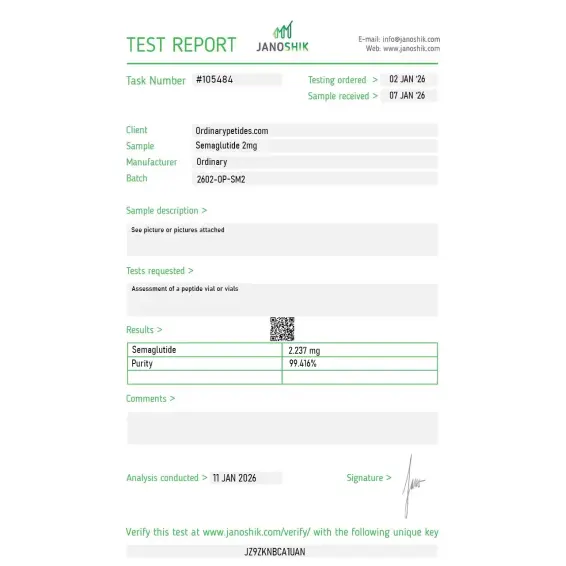
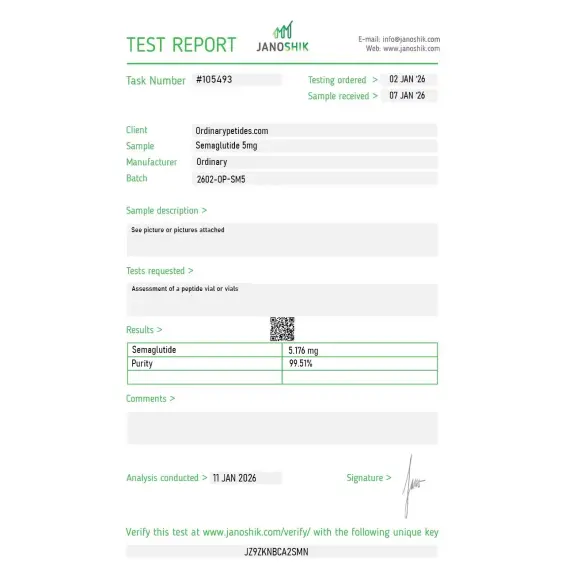
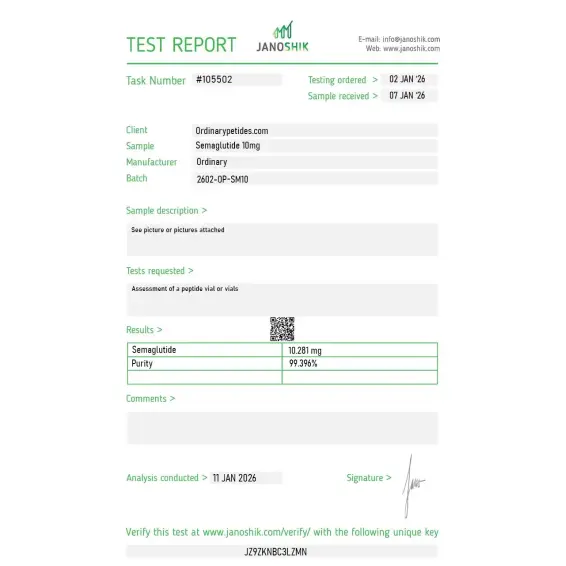
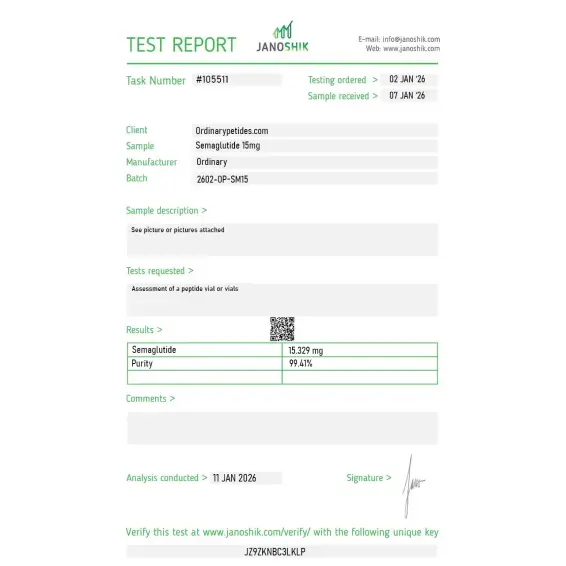
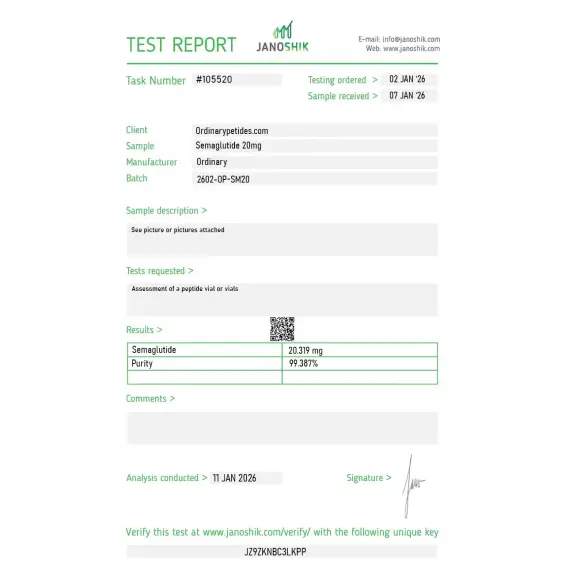
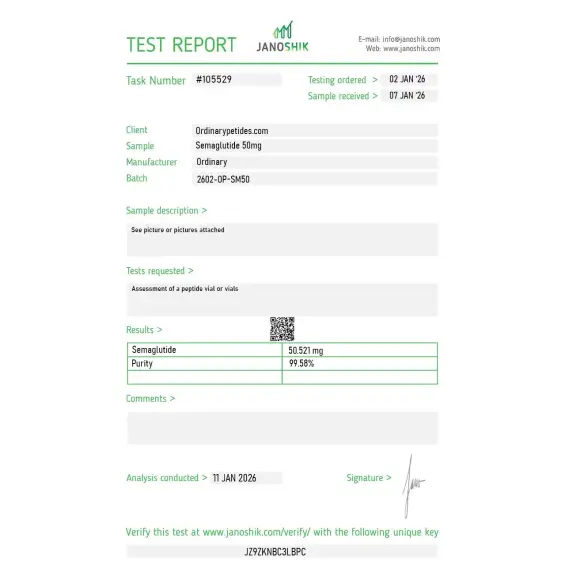
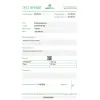
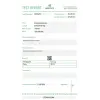
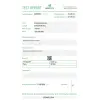
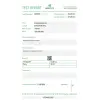
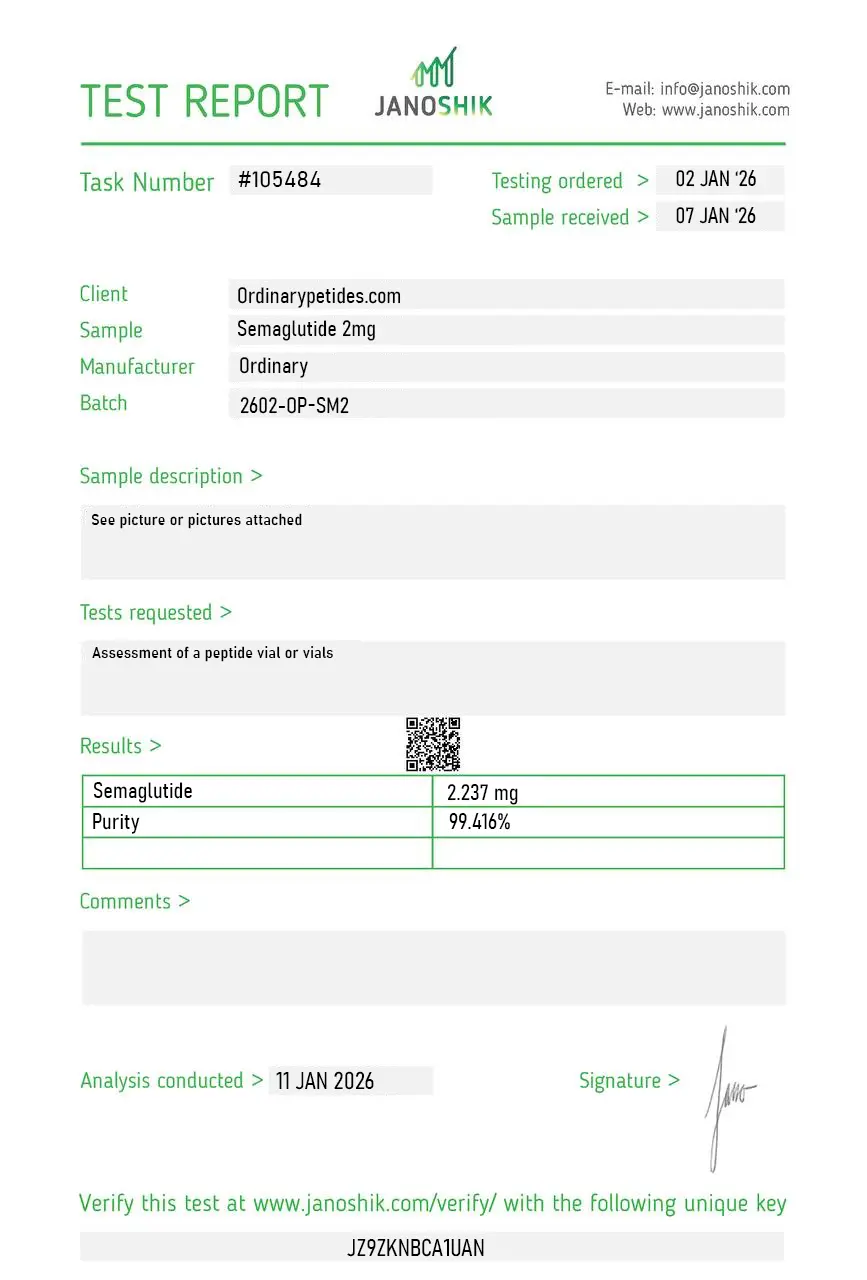
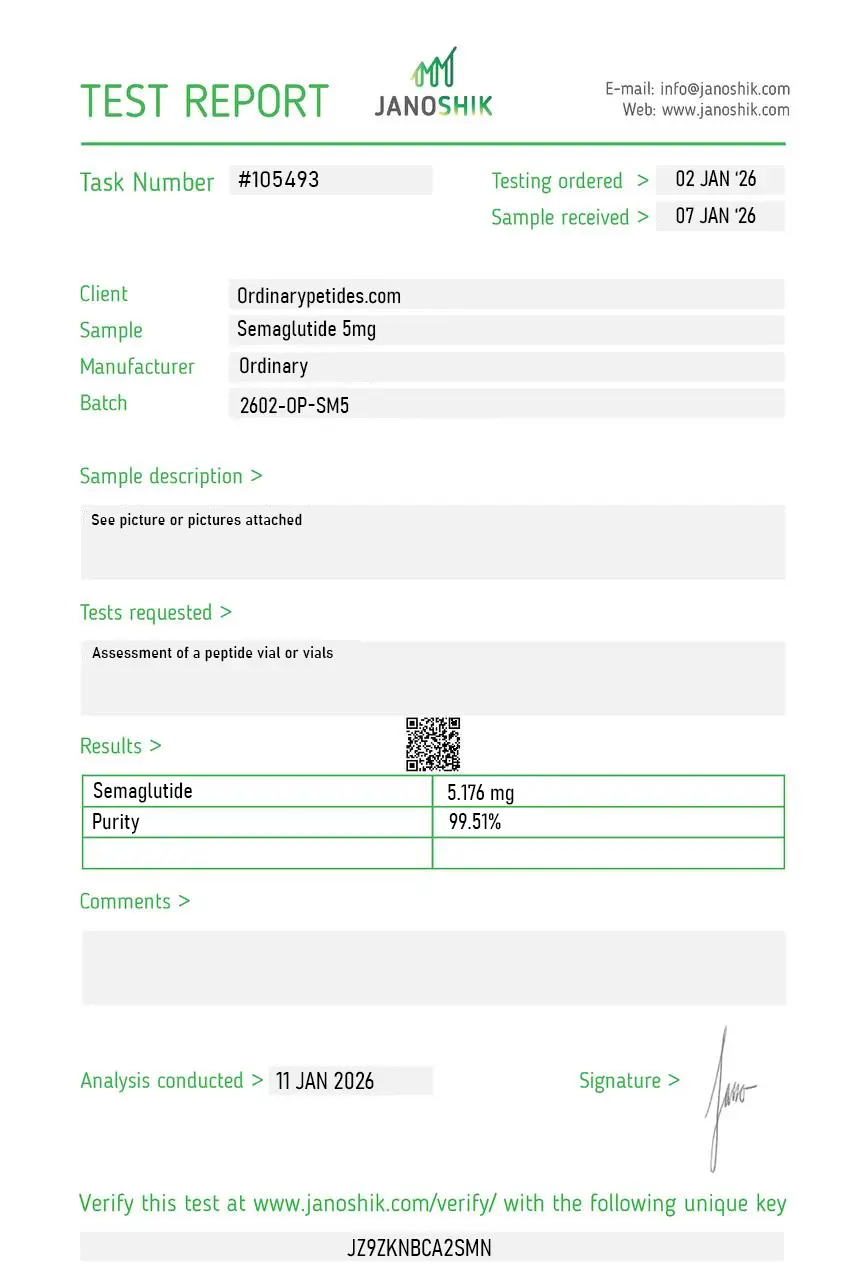
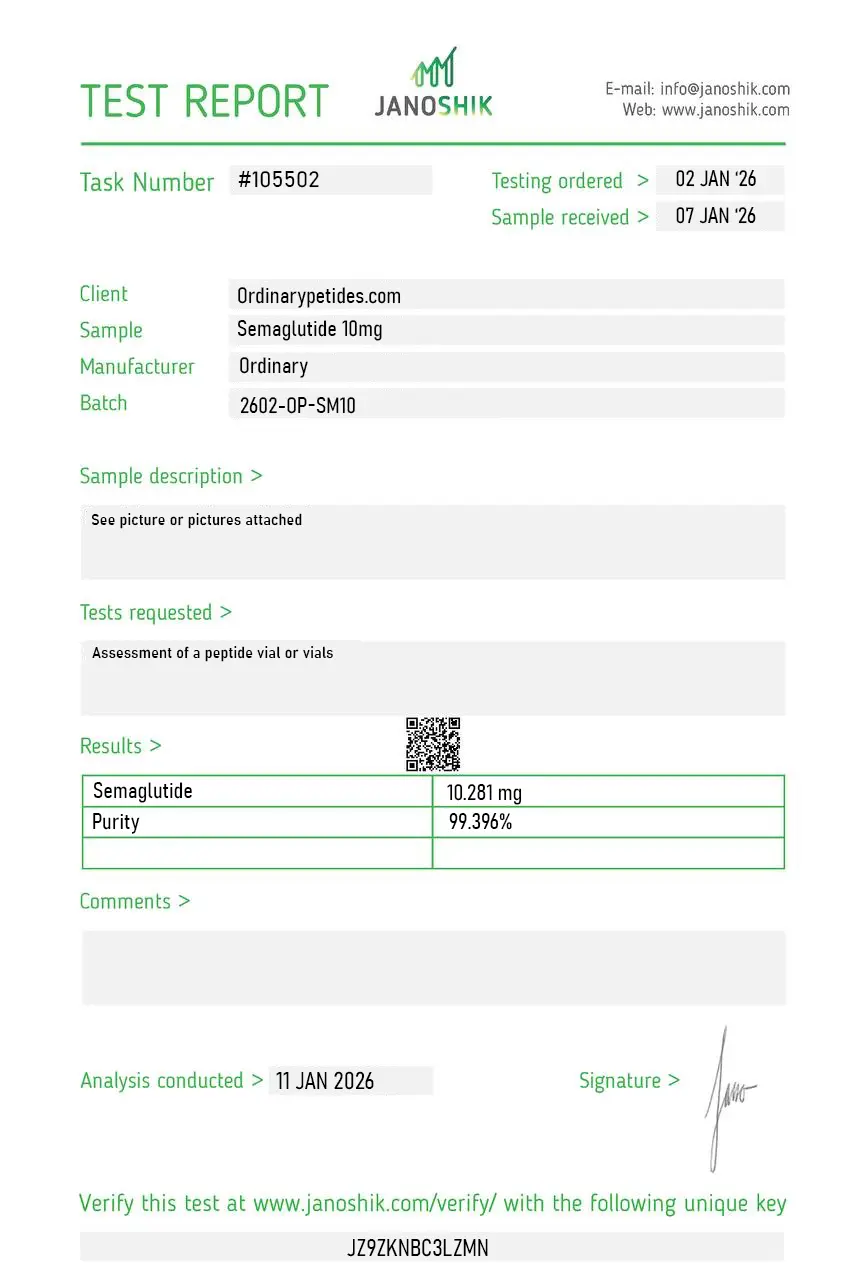
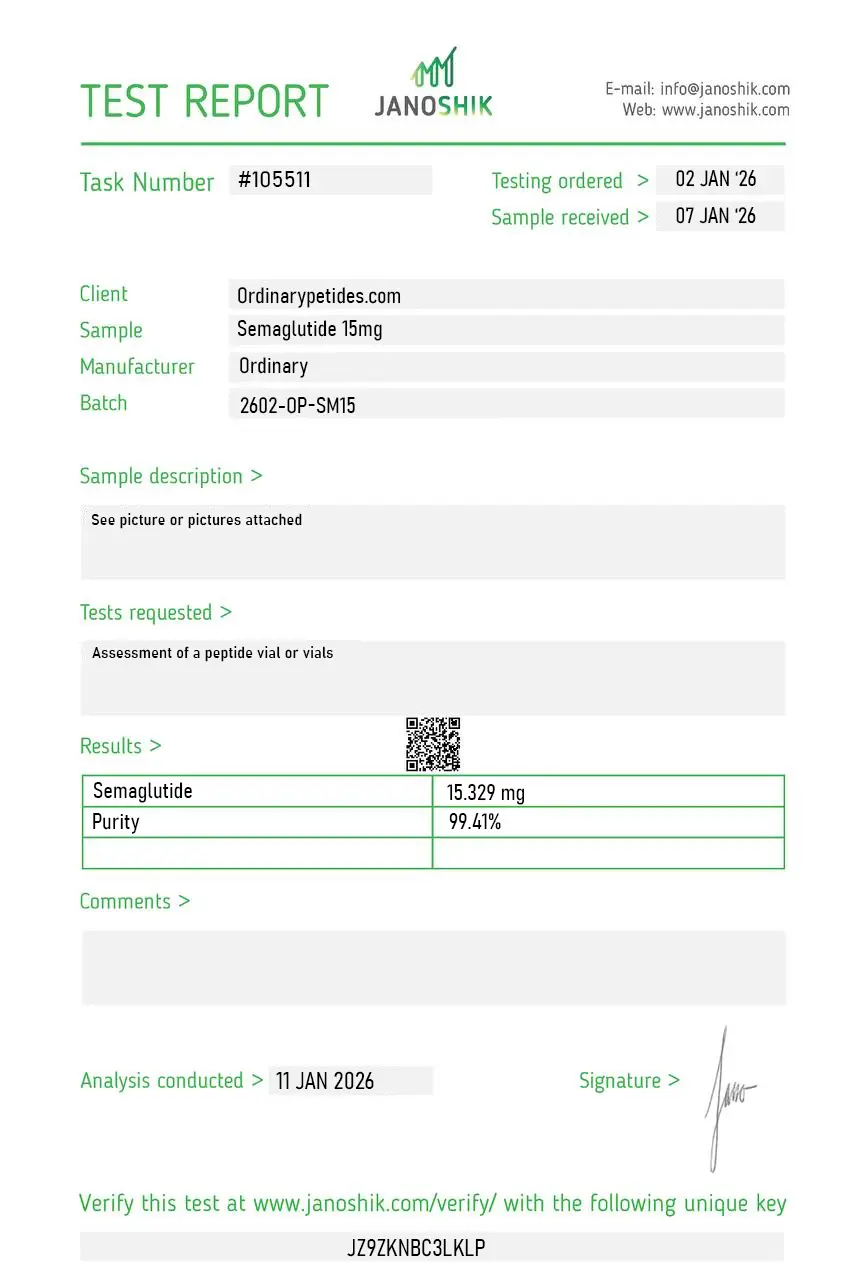
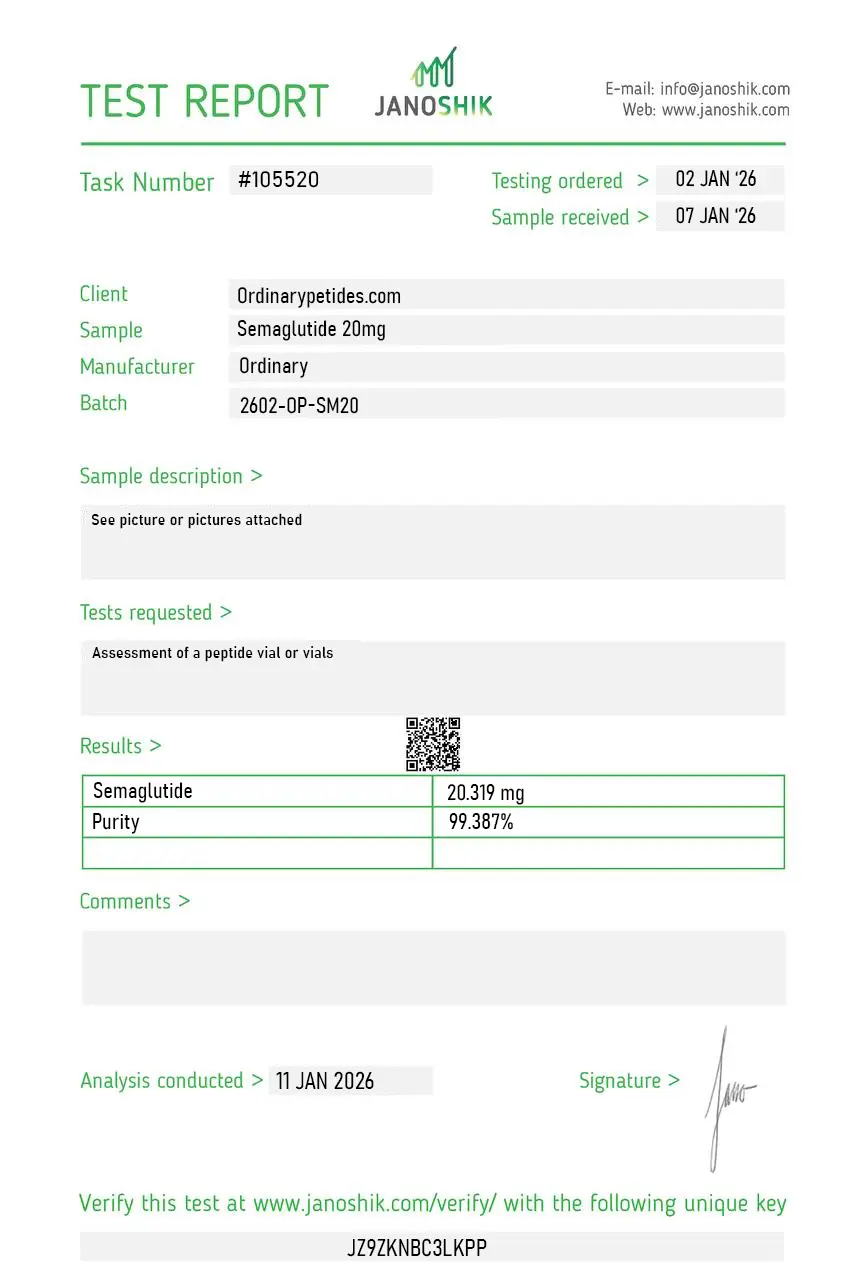
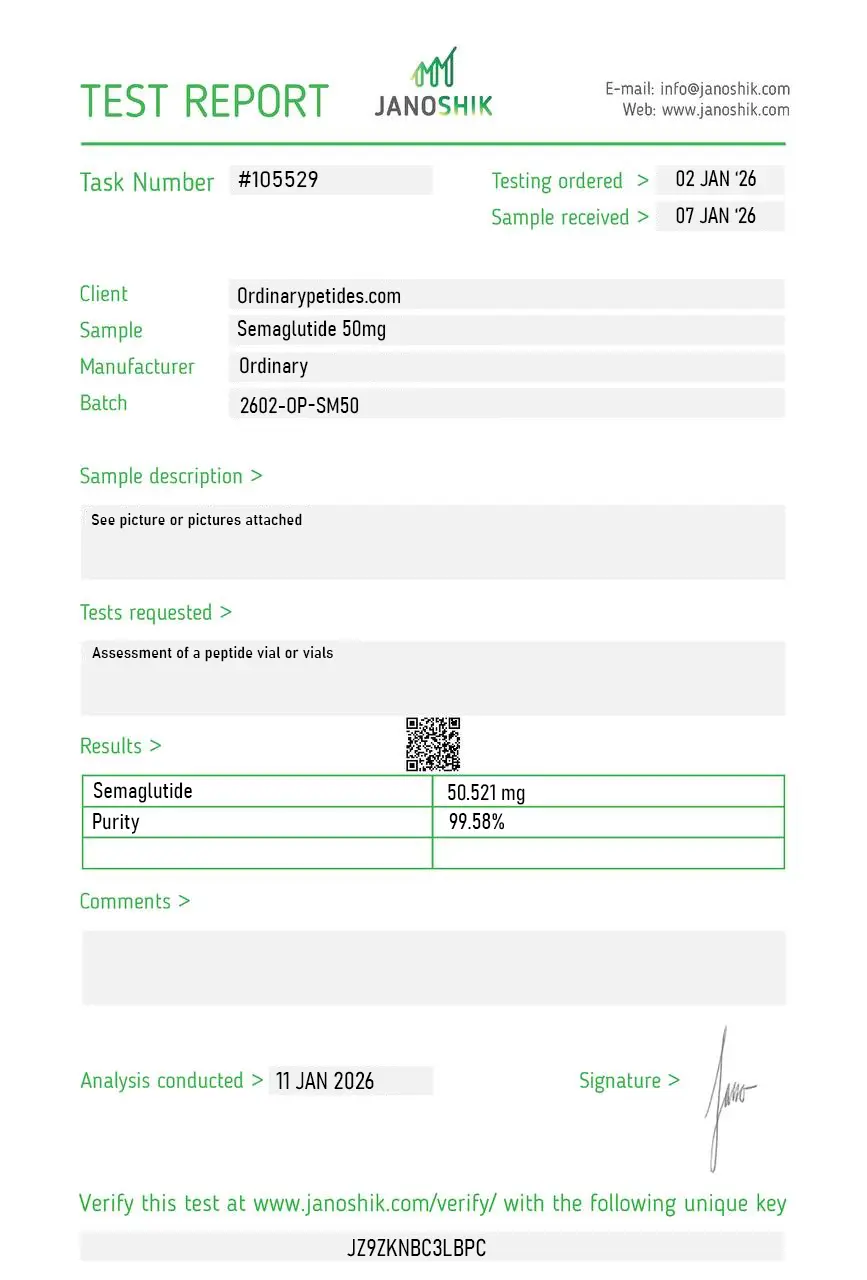
Independent test reports are available for Semaglutide 2mg, 5mg, 10mg, 15mg, 20mg, and 50mg. These reports provide batch-level documentation and analytical verification information for research reference.
-
3
What I appreciate about the listing is something most catalogs miss — it explicitly notes semaglutide is the same molecule whether you call it Ozempic or Wegovy, which sounds obvious but is the kind of clarification that prevents researchers from over-thinking why their literature references different brand names for what's structurally identical. Plain pharmacology framing, no brand-name confusion.
Reordered after eighteen months. Same activity profile we benchmarked originally. That kind of long-window consistency is what justifies the price for an established reference compound.
Single most useful thing about this compound for our work is that it's the cleanest selective GLP-1R agonist available at a research-budget price point — the recombinant alternatives from major pharma suppliers cost an order of magnitude more for the same receptor pharmacology. For grant-funded receptor work where authentic selective GLP-1R activity is the experimental requirement, the price-to-quality ratio is what makes the research feasible at all.
Yes. It is a modified peptide analog of GLP-1, developed as a long-acting GLP-1 receptor agonist.
Yes, but not "in everyone in general." There are such data for specific populations: in T2D and established CVD for Ozempic, in overweight/obesity and CVD without diabetes for Wegovy, and for oral semaglutide this is reflected in the updated US labeling of Rybelsus.
Most often these are gastrointestinal symptoms. It is also important to remember the boxed warning for MTC/MEN2, the special considerations in diabetic retinopathy, and the very rare signal concerning NAION.
No. It is very effective, but not universal, not free of side effects, and does not cancel the fact that obesity is a chronic disease.
Yes, for a certain group of patients with T2D and CKD such a benefit was shown in FLOW and is reflected in the US labeling of Ozempic.
In the United States — yes, Wegovy received approval for noncirrhotic MASH with moderate-to-advanced fibrosis. But this does not mean that "any liver fat is treated with semaglutide."
Semaglutide is a synthetic 31-amino acid GLP-1 receptor agonist developed by Novo Nordisk. It is a modified analog of the naturally occurring gut hormone glucagon-like peptide-1, with structural modifications — including substitution of alanine at position 8 with alpha-aminoisobutyric acid to resist enzymatic degradation, and attachment of a C18 fatty acid chain via a linker to enable albumin binding — that extend its half-life to approximately 7 days, enabling once-weekly dosing. It is available in two injectable formulations — Ozempic (approved for type 2 diabetes and cardiovascular risk reduction) and Wegovy (approved for chronic weight management) — and an oral formulation, Rybelsus, approved for type 2 diabetes. It is the world's best-selling pharmaceutical drug by revenue and has fundamentally transformed both the treatment of type 2 diabetes and the pharmacological approach to obesity.
Semaglutide binds to and activates GLP-1 receptors expressed throughout the body — in the pancreas, brain, gastrointestinal tract, heart, and kidneys. In the pancreas it stimulates glucose-dependent insulin secretion from beta cells — only releasing insulin when blood glucose is elevated, providing a physiological safety margin against hypoglycemia — while simultaneously suppressing glucagon release from alpha cells, reducing hepatic glucose output. In the central nervous system — particularly the hypothalamus and brainstem — it reduces appetite, increases satiety, and lowers caloric intake through neural circuits governing both homeostatic hunger and reward-driven eating. It slows gastric emptying, prolonging post-meal satiety and blunting glucose spikes. The albumin-binding fatty acid modification gives semaglutide its week-long circulating half-life, making once-weekly injection pharmacologically feasible.
Ozempic (semaglutide 0.5 mg, 1 mg, 2 mg once weekly subcutaneous) is FDA-approved for glycemic control in adults with type 2 diabetes and to reduce the risk of major adverse cardiovascular events — cardiovascular death, non-fatal myocardial infarction, and non-fatal stroke — in adults with type 2 diabetes and established cardiovascular disease, based on the SUSTAIN-6 trial and later confirmed by SOUL. It is also approved for reduction of cardiovascular events in people with type 2 diabetes at high cardiovascular risk. Wegovy (semaglutide 2.4 mg once weekly subcutaneous) is FDA-approved for chronic weight management in adults with BMI of 30 kg/m² or above, or 27 kg/m² with at least one weight-related comorbidity, and in adolescents aged 12 and older with obesity. The SELECT trial — published 2023 — expanded Wegovy's indication to include reduction of major cardiovascular events in adults with obesity or overweight and established cardiovascular disease regardless of diabetes status, making it the first weight-loss drug to demonstrate cardiovascular mortality benefit in a non-diabetic population. Rybelsus (oral semaglutide 3 mg, 7 mg, 14 mg daily) is FDA-approved for type 2 diabetes management.
The STEP clinical trial program established Wegovy's efficacy. In STEP 1 — the pivotal weight management trial — adults with obesity without diabetes achieved an average weight loss of 14.9% over 68 weeks versus 2.4% with placebo. Approximately 70% achieved at least 5% weight loss and approximately 32% achieved at least 20% weight loss. The SELECT cardiovascular outcomes trial enrolled over 17,000 adults with obesity and established cardiovascular disease but without diabetes — Wegovy reduced major cardiovascular events by 20% versus placebo over approximately 3.3 years, a finding that significantly expanded semaglutide's clinical role beyond metabolism into cardiology. In type 2 diabetes, Ozempic reduces HbA1c by approximately 1.5 to 2% and produces substantial cardiovascular protection in high-risk populations.
Ozempic and Wegovy are given as once-weekly subcutaneous injections using prefilled pens into the abdomen, thigh, or upper arm. Wegovy follows a dose-escalation schedule over 16 to 20 weeks — starting at 0.25 mg weekly and increasing through 0.5 mg, 1 mg, 1.7 mg, to the 2.4 mg maintenance dose — to minimize gastrointestinal side effects. Ozempic follows a similar but shorter titration. Rybelsus is taken orally once daily on an empty stomach with no more than 4 oz of water, waiting 30 minutes before eating. Oral bioavailability of Rybelsus is substantially lower than injectable forms — approximately 1% — facilitated by the absorption enhancer SNAC in its formulation.
Gastrointestinal effects dominate the side effect profile — nausea is the most common, reported in approximately 44% of Wegovy users, along with vomiting, diarrhea, constipation, and abdominal pain — predominantly at initiation and during dose escalation, typically improving over weeks to months. The slow titration schedule is specifically designed to minimize these effects. Gallbladder disease including gallstones and cholecystitis is a documented class effect associated with both the drug itself and the rapid weight loss it produces. A small but consistent increase in resting heart rate of 1 to 4 beats per minute is observed. Pancreatitis risk carries a warning though absolute incidence is low. The thyroid C-cell tumor signal from rodent studies produces the black box warning regarding medullary thyroid carcinoma — the compound is contraindicated in people with personal or family history of MTC or MEN2. Hypoglycemia risk is low when used as monotherapy but increases significantly with concurrent insulin or sulfonylurea use.
Within the GLP-1 class, semaglutide at 2.4 mg produces approximately 15% weight loss — substantially more than daily liraglutide at 3 mg which produces approximately 5 to 8%. Compared to tirzepatide — the GLP-1/GIP dual agonist — head-to-head data from SURMOUNT-5 showed tirzepatide produced approximately 20% weight loss versus approximately 13.7% for semaglutide 2.4 mg in a direct comparison. The emerging triple agonist retatrutide appears to exceed semaglutide by an even greater margin. Despite being surpassed in weight loss magnitude by newer agents, semaglutide remains the most established, most widely prescribed, and most comprehensively studied compound in the class — with the strongest cardiovascular outcomes data including the SELECT trial.
Anyone with a personal or family history of medullary thyroid carcinoma or MEN2 should not use it — this is a black box contraindication. Those with a history of pancreatitis should not use it. People with severe gastrointestinal disorders including gastroparesis should not use it given gastric emptying effects. Type 1 diabetes is not an approved indication. Pregnant or breastfeeding women should not use it — semaglutide has shown fetal harm in animal studies and should be discontinued at least two months before planned conception. People with severe renal impairment should be monitored carefully as dehydration from GI side effects can precipitate acute kidney injury. Oral Rybelsus requires strict administration conditions — food, beverages other than a small amount of water, and other medications within 30 minutes of dosing substantially reduce its already limited bioavailability.