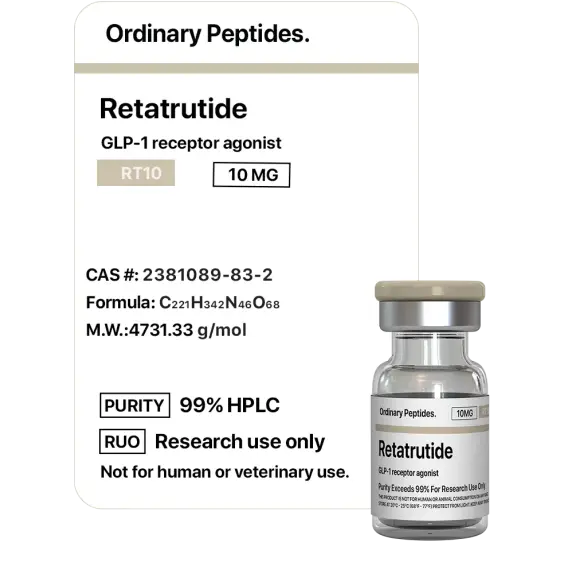
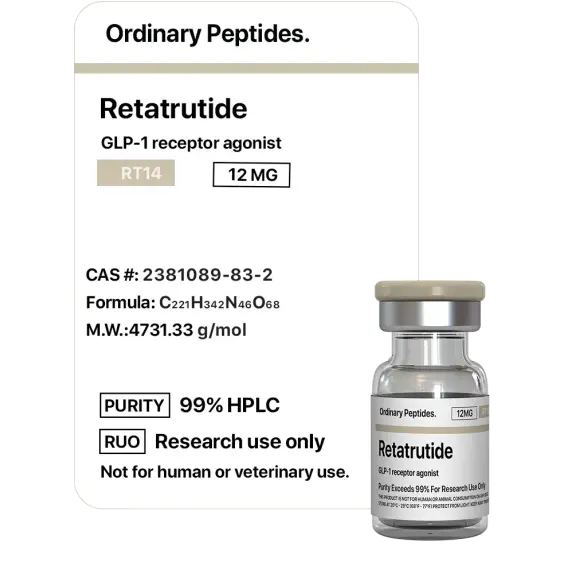
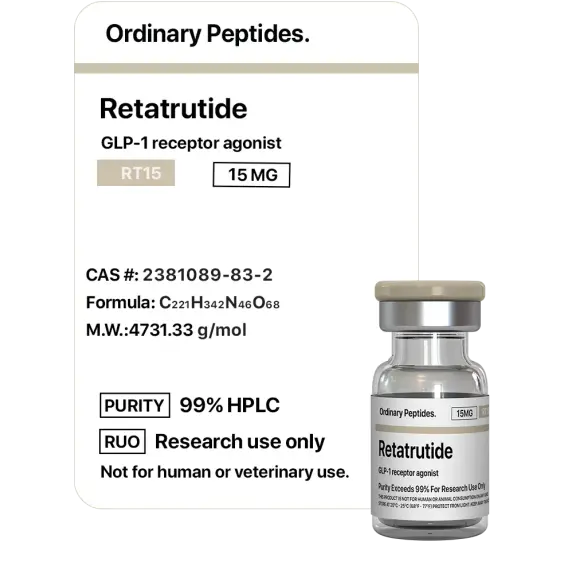
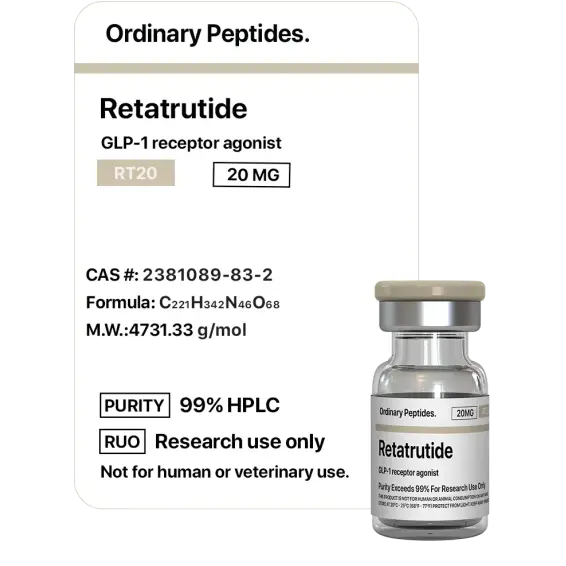
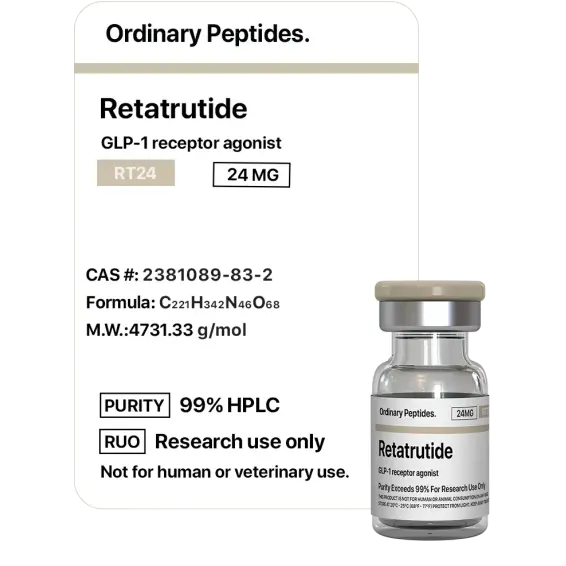
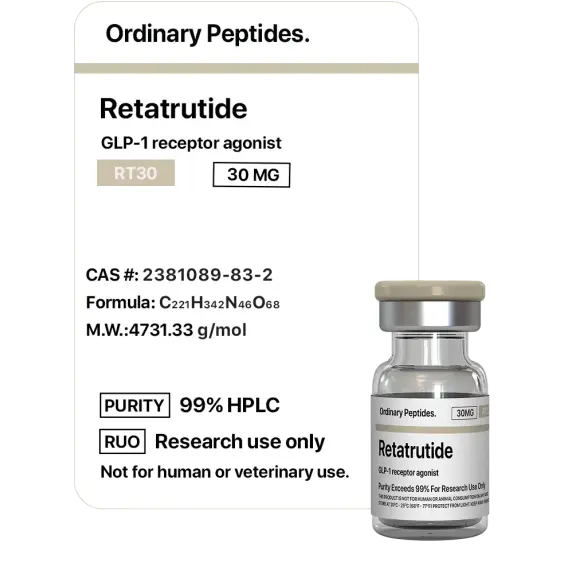
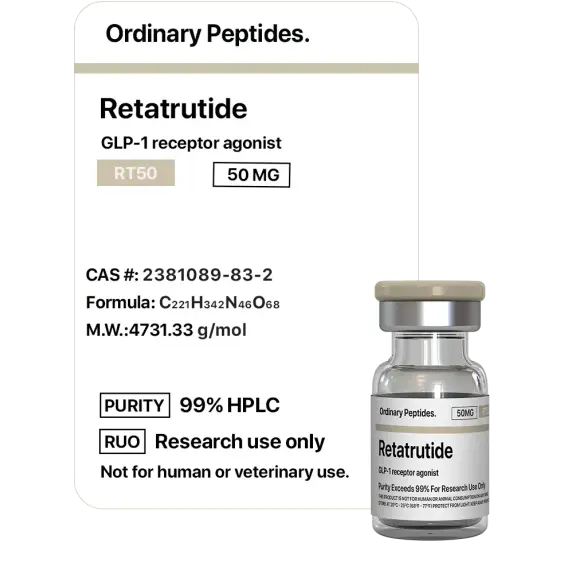
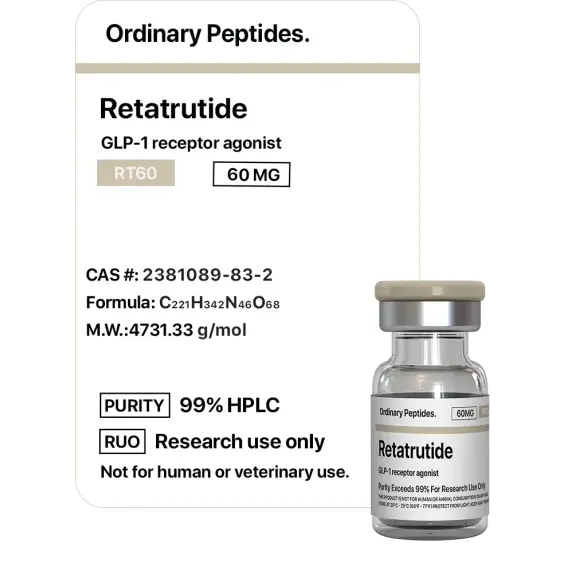
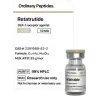
Retatrutide
For in vitro testing and laboratory use only. Not for human or animal consumption. Bodily introduction is illegal. Handle only by licensed professionals. Not a drug, food, or cosmetic. Educational use only.
Retatrutide: One of the Loudest Candidates in Obesity Therapy
Retatrutide is an experimental once-weekly peptide tri-agonist that acts simultaneously on GIP, GLP-1, and glucagon receptors, and it is exactly this triple mechanism that has made it one of the most discussed molecules in modern metabolic pharmacology.
In published studies and clinical development, it has shown very strong signals for body-weight reduction, and in the research context interest in it has been further strengthened by data on glycemia, liver fat, body composition, and obesity-related complications. But the whole intrigue is that retatrutide is not yet a story about a "finished breakthrough," but about a candidate with a genuinely impressive phase 2 profile and a still ongoing late-stage clinical program.
What especially sets it apart is not simply appetite suppression, but the attempt to combine incretin logic with a contribution to energy expenditure — and that is exactly why it appears more powerful, while at the same time requiring more careful evaluation for long-term safety.
For a client, this is one of those rare cases where the excitement did not grow out of nothing: the science here is genuinely strong, the final point in the story just has not yet been placed.
Retatrutide (LY3437943): A Scientific Review
Based on peer-reviewed literature — see References. Last updated: April 2026.
The Short Version
Retatrutide is where the incretin revolution goes next. The story of obesity pharmacotherapy over the past decade is one of sequential additions: GLP-1 receptor agonism (semaglutide) → GLP-1 plus GIP (tirzepatide) → GLP-1 plus GIP plus glucagon (retatrutide). Each step has produced meaningfully greater weight loss. Retatrutide’s Phase 2 data — 24.2% mean weight loss at 48 weeks in people with obesity — exceeded anything previously achieved by any approved pharmacotherapy and approached the results of bariatric surgery at the 12 mg dose.[1]
The key conceptual addition in retatrutide is glucagon receptor agonism. Glucagon traditionally raises blood glucose by stimulating hepatic glucose output — but it also increases energy expenditure and promotes fat oxidation in the liver and adipose tissue. Retatrutide resolves the dilemma that glucagon-induced hyperglycaemia has always created: simultaneous GLP-1 receptor agonism provides glucose lowering that offsets glucagon-induced glycaemia, allowing the energy-expenditure-boosting effects of glucagon receptor activation to be captured without clinically significant hyperglycaemia.
Phase 3 TRIUMPH-4 results (announced December 2025) confirmed the Phase 2 trajectory: up to 28.7% mean weight loss at 68 weeks in people with obesity and knee osteoarthritis. Seven additional Phase 3 readouts are expected in 2026.[4]
| At a glance | |
|---|---|
| Compound | Retatrutide |
| Research designation | LY3437943 |
| Developer | Eli Lilly and Company |
| Mechanism | Triple GIP/GLP-1/glucagon receptor agonist (first-in-class) |
| Receptor activities | GIP (8.9× more potent than endogenous); GLP-1 (0.4× endogenous); glucagon (0.3× endogenous) |
| Plasma half-life | ~6 days (fatty diacid conjugation for albumin binding) |
| Doses in Phase 3 | 4 mg, 9 mg, 12 mg (once weekly SC) |
| FDA/EMA status | ⚠️ Not approved; investigational |
| Phase 3 programme | TRIUMPH (8 trials) |
| First Phase 3 positive readout | ✅ TRIUMPH-4 (Dec 2025): 28.7% weight loss at 68 weeks |
| Projected approval | 2027 (if NDA submitted late 2026) |
Context: The Incretin Therapy Progression
| Drug | Mechanism | Approval | Peak Phase 3 weight loss |
|---|---|---|---|
| Semaglutide 2.4 mg (Wegovy) | GLP-1 RA | 2021 | ~17% (STEP 1) [8] |
| Tirzepatide (Zepbound) | GIP + GLP-1 | 2023 | ~22.5% (SURMOUNT-1) [7] |
| Retatrutide | GIP + GLP-1 + glucagon | Pending | 28.7% (TRIUMPH-4, Phase 3) [4] |
The progression reflects a pharmacological thesis: each additional hormone receptor engagement, when properly balanced, adds meaningful incremental weight reduction. The jump from semaglutide to tirzepatide was approximately 5 percentage points; the jump from tirzepatide to retatrutide appears to be another 6–7 percentage points. The mechanism driving this additional increment is glucagon receptor agonism.
The Three Receptor Targets
GLP-1 (Glucagon-like Peptide-1)
GLP-1 is a gut hormone secreted by L-cells of the small intestine in response to food intake. It acts through GLP-1 receptors in the pancreas (stimulating glucose-dependent insulin secretion), the brain (hypothalamic satiety circuits, reducing appetite), the stomach (slowing gastric emptying, prolonging postprandial satiety), and the heart and vasculature (cardioprotective effects established in LEADER, SUSTAIN-6, SELECT, and other outcomes trials). At the relative potency of 0.4× endogenous GLP-1, retatrutide’s GLP-1 component provides meaningful appetite suppression and glycaemic benefit, while its lower relative potency compared to semaglutide means the GLP-1 component is one of three co-equal contributors, not the dominant driver.
GIP (Glucose-Dependent Insulinotropic Polypeptide)
GIP is the other major incretin, secreted by K-cells of the upper small intestine. Retatrutide is less potent than endogenous ligands of the GCG and GLP-1 receptors (0.3× and 0.4× respectively) and is substantially more potent at the human GIP receptor (8.9×).[5] GIP receptor agonism in the brain appears to reduce food reward and craving signals; in adipose tissue it enhances metabolic flexibility. The tirzepatide precedent established that adding GIP to GLP-1 produces substantially better weight loss than GLP-1 alone — retatrutide retains this full GIP component while adding glucagon.
Glucagon: the key addition
Glucagon produced by alpha cells traditionally raises blood sugar by triggering liver glycogen breakdown — but it also activates metabolically relevant pathways: increased energy expenditure through thermogenic pathways and mitochondrial uncoupling in brown adipose tissue; hepatic fat oxidation (promoting β-oxidation and reducing hepatic lipid accumulation — explaining the striking MASLD liver fat reduction data); lipolysis (stimulating fat cell breakdown, freeing fatty acids for oxidation); and appetite reduction through independent GCG effects on hypothalamic appetite circuits.
The critical insight enabling triple agonism is that glucagon’s hyperglycaemic effect is specifically problematic when blood glucose is already adequate — the exact scenario where GLP-1’s glucose-lowering effects are strongest. The two counter-regulatory effects neutralise each other’s liabilities while their metabolic benefits are additive. Several factors were likely to have contributed to the cardiometabolic improvements observed with retatrutide, including the substantial degree of weight reduction, the ratio of receptor activation for GCG relative to GIP and GLP-1, and the physiological role of glucagon beyond the historically investigated counterregulatory response to hypoglycaemia.
Structure and Pharmacology
Retatrutide is a single peptide molecule conjugated to a fatty diacid moiety for extended half-life — the same pharmacokinetic strategy used for semaglutide (single fatty acid) and tirzepatide (fatty diacid). The fatty diacid moiety enables reversible binding to serum albumin, preventing renal filtration, protecting the peptide from proteolytic enzymes through steric shielding, and creating a subcutaneous depot effect that sustains plasma concentrations over the dosing interval.[5]
Pharmacokinetics after SC injection: Tmax ~72 hours; half-life ~6 days (enabling once-weekly dosing); bioavailability ~100% SC; protein binding ~99% (albumin-bound); metabolism via proteolytic degradation with no significant CYP450 involvement; excretion primarily renal. Steady state is achieved after approximately 4 weeks of weekly dosing. Dose-proportional pharmacokinetics were confirmed across the dose range studied in Phase 1 and Phase 2.[6]
Phase 2 Evidence: NEJM 2023
Primary obesity study (Jastreboff et al., NEJM, August 2023)
Design: Phase 2, double-blind, randomised, placebo-controlled; 48 weeks; N=338 adults with BMI ≥30 (or ≥27 with ≥1 weight-related condition), without T2DM. Seven arms: retatrutide 1 mg, 4 mg, 8 mg, 12 mg, and placebo.[1]
Mean percentage change in body weight at 48 weeks: −8.7% (1 mg); −17.1% (combined 4 mg); −22.8% (combined 8 mg); −24.2% (12 mg); −2.1% (placebo). Key responder analysis at 48 weeks in the 12 mg group: 100% achieved ≥5% weight loss; 93% achieved ≥10%; 83% achieved ≥15%; approximately 58–60% achieved ≥20%; approximately 25–30% achieved ≥30%. Mean absolute weight reduction at 12 mg: approximately 58 pounds (~26 kg).
Critically, weight loss curves had not reached plateau at 48 weeks — explicitly noted by investigators — suggesting continued loss with longer treatment. TRIUMPH-4’s 28.7% at 68 weeks confirmed this hypothesis.
Cardiometabolic effects (Phase 2 exploratory)
Weight reductions were accompanied by improvements in waist circumference, systolic and diastolic blood pressure, HbA1c, fasting glucose, insulin, and lipid levels. Notably, 72% of participants who had prediabetes at baseline reverted to normoglycaemia with retatrutide treatment.[1]
T2D Phase 2 study (Rosenstock et al., Lancet, 2023)
N=281 participants with T2DM; 36-week treatment; compared to dulaglutide 1.5 mg and placebo. In the T2D study, 77–82% of participants on retatrutide achieved euglycaemia (HbA1c ≤6.5%) and 57–63% achieved ≥15% weight loss. HbA1c improved by 2.2 percentage points at the highest dose — a magnitude comparable to or exceeding the most effective approved T2DM therapies. Retatrutide showed superior efficacy to dulaglutide 1.5 mg on both HbA1c and bodyweight.[2]
MASLD/NAFLD substudy (Nature Medicine, 2024)
A substudy of the Phase 2 obesity trial assessed liver fat in participants with MASLD (≥10% liver fat at baseline, N=98). At 24 weeks with 8 mg and 12 mg, retatrutide produced approximately 80% reduction in liver fat (measured by MRI-PDFF), with over 90% of participants achieving MASLD resolution (liver fat <5%). This magnitude of liver fat reduction exceeds what has been achieved with any other approved pharmacotherapy and rivals the effects of bariatric surgery on hepatic steatosis. The glucagon receptor component is believed to specifically drive this hepatic fat reduction through direct stimulation of hepatic β-oxidation.[3]
Phase 3 Evidence: TRIUMPH Programme
| Trial | Primary indication | Status |
|---|---|---|
| TRIUMPH-1 | Obesity/overweight without T2DM | Ongoing |
| TRIUMPH-2 | T2DM | Ongoing |
| TRIUMPH-3 | Obesity + cardiovascular outcomes | Ongoing |
| TRIUMPH-4 | Obesity + knee osteoarthritis | ✅ POSITIVE (December 2025) |
| TRIUMPH-5 | Obesity + obstructive sleep apnoea | Ongoing |
| TRIUMPH-6 | Obesity + MASLD/MASH | Ongoing |
| TRIUMPH-7 | Obesity + chronic low back pain | Ongoing |
| TRIUMPH-8 | Cardiovascular/renal outcomes | Ongoing |
TRIUMPH-4 (first Phase 3 positive readout, December 2025)
Population: Adults with obesity or overweight and knee osteoarthritis, without T2DM; 84% had BMI ≥35 kg/m²; 68-week treatment duration.[4]
Weight loss (efficacy estimand): −26.4% for 9 mg; −28.7% for 12 mg. WOMAC knee pain score: reduced by up to 75.8% (12 mg). Key secondary endpoints met: reductions in non-HDL cholesterol, triglycerides, high-sensitivity CRP, and systolic BP (−14.0 mmHg at 12 mg). In a post-hoc analysis, 14.1% of patients on 9 mg and 12.0% on 12 mg were completely free of knee pain, vs. 4.2% on placebo.
⚠️ Safety in TRIUMPH-4: Adverse events consistent with the incretin class: nausea (38–43% vs. 10.7% placebo), diarrhoea (33–35% vs. 13.4%), constipation (22–25%), vomiting (~21% vs. <5%). Discontinuation rates: 12.2% (9 mg) and 18.2% (12 mg) vs. 4% placebo — higher than with tirzepatide in Phase 3 (~6%), particularly at 12 mg. This is a real clinical consideration for dose selection.
Evidence Summary
| Endpoint | Population | Dose | Finding | Evidence quality |
|---|---|---|---|---|
| Weight loss at 48 weeks [1] | Obesity, no T2DM (Phase 2) | 12 mg | −24.2% vs. −2.1% placebo | Moderate (Phase 2) |
| Weight loss at 68 weeks [4] | Obesity + OA (Phase 3) | 12 mg | −28.7% vs. ~−5% placebo | Strong (Phase 3 topline) |
| HbA1c reduction [2] | T2DM (Phase 2) | 12 mg | −2.2%; 82% reaching ≤6.5% | Moderate (Phase 2) |
| Liver fat reduction [3] | MASLD (substudy) | 8–12 mg | ~80% reduction; >90% resolution | Moderate (Phase 2 substudy) |
| OA knee pain [4] | Obesity + OA (Phase 3) | 9–12 mg | −67–75.8% WOMAC pain score | Strong (Phase 3 topline) |
| Systolic blood pressure [4] | Obesity + OA (Phase 3) | 12 mg | −14 mmHg | Strong (Phase 3 topline) |
| Cardiovascular outcomes | Ongoing (TRIUMPH-3, -8) | TBD | No data yet | Pending |
Comparison: Retatrutide vs. Semaglutide vs. Tirzepatide
| Semaglutide 2.4 mg (Wegovy) | Tirzepatide 15 mg (Zepbound) | Retatrutide 12 mg | |
|---|---|---|---|
| Mechanism | GLP-1 RA | GIP + GLP-1 | GIP + GLP-1 + glucagon |
| Phase 3 weight loss | ~17% (STEP 1) | ~22.5% (SURMOUNT-1) | 28.7% (TRIUMPH-4) |
| Approval status | ✅ Approved (2021) | ✅ Approved (2023) | ⚠️ Investigational |
| CV outcomes evidence | ✅ SELECT (proven) | Pending | Pending (TRIUMPH-3, -8) |
| MASLD efficacy | Moderate | Strong (via weight loss) | Very strong (direct glucagon effect) |
| Discontinuation rate | ~6% (Phase 3) | ~6% (Phase 3) | 18.2% at 12 mg (Phase 3) |
The key remaining question is cardiovascular outcomes. Semaglutide’s cardiovascular benefit is established in LEADER and SELECT. Tirzepatide’s outcomes trial is ongoing. Retatrutide’s TRIUMPH-3 and TRIUMPH-8 trials will ultimately answer this question. Based on the GLP-1 mechanism, CV benefit is biologically plausible, but it must be demonstrated, not assumed.
Safety Profile
The overall safety profile is consistent with the GLP-1/incretin class, with dose-dependent GI tolerability representing the primary clinical challenge. GI effects (most common, dose-dependent, primarily during dose escalation): nausea 38–43% at 12 mg; diarrhoea 33–35%; constipation 22–25%; vomiting ~21%. These rates are higher than Phase 3 tirzepatide rates (nausea ~25%, vomiting ~9%) — reflecting the additional pharmacological complexity of triple agonism. The higher discontinuation at 12 mg (18.2% vs. ~6% for tirzepatide) means the 9 mg dose may represent a better tolerability-efficacy balance for many patients.
Class warnings: Boxed warning for thyroid C-cell tumour risk (rodent data; no human signal); pancreatitis (class warning; causal relationship not established); cholelithiasis (gallstone risk with rapid weight loss); hypoglycaemia (low risk without T2DM; risk increases with insulin or sulphonylurea co-administration). A dose-dependent increase in resting heart rate was observed in Phase 2, peaking at 24 weeks then declining. Rebound weight regain on discontinuation is expected, as with all GLP-1 class drugs, reflecting the chronic nature of obesity as a disease.
Common Misconceptions
“Retatrutide works by suppressing appetite like all other weight loss drugs.”
Appetite suppression is one of three simultaneous mechanisms. Retatrutide additionally increases energy expenditure and fat oxidation through glucagon receptor agonism — a mechanism absent in semaglutide and tirzepatide. This is not merely additive appetite suppression; it is a genuinely different third pathway acting on energy balance from the expenditure side.
“The 28.7% weight loss means retatrutide is better than bariatric surgery.”
The mean 28.7% in TRIUMPH-4 approaches but does not clearly exceed bariatric surgery outcomes. Roux-en-Y gastric bypass typically produces 25–35% total body weight loss with high durability; sleeve gastrectomy produces 20–30%. Surgical results are generally more durable because they permanently alter gastrointestinal anatomy. Retatrutide’s weight loss reverses with discontinuation. The clinical comparison is not simple.
⚠️ “The cardiovascular benefit is established.”
The GLP-1 component is mechanistically similar to semaglutide, which has proven cardiovascular benefit. However, glucagon receptor agonism adds pharmacology whose net cardiovascular effects are not yet established in long-term outcomes trials. The cardiovascular impact of triple agonism requires data from TRIUMPH-3 and TRIUMPH-8.
Frequently Asked Questions
How does retatrutide differ from tirzepatide (Zepbound)?
Both are once-weekly SC injectables activating GIP and GLP-1 receptors. Retatrutide adds glucagon receptor agonism as a third target, increasing energy expenditure and fat oxidation — particularly in the liver — through mechanisms that GIP/GLP-1 dual agonism does not reach. Phase 3 weight loss data for retatrutide (~28.7%) exceeds tirzepatide’s (~22.5%), though the populations and trial designs differ.
Will retatrutide be approved?
With one positive Phase 3 trial (TRIUMPH-4) and seven additional readouts expected in 2026, Lilly is on track to submit an NDA in late 2026 or 2027 if the remaining trials are positive. The mechanism is sound, the Phase 2 data is exceptional, and TRIUMPH-4 confirmed the Phase 2 trajectory. Approval is projected for 2027–2028, though regulatory decisions depend on the complete Phase 3 dataset.
Does retatrutide require lifestyle changes?
Clinical trials required adherence to a healthy diet and physical activity programme alongside study drug. Lifestyle modifications significantly enhance the effect of any GLP-1 class medication and are standard of care. Retatrutide is studied as an adjunct to lifestyle, not a replacement.
Key Takeaways
- Retatrutide is the most efficacious obesity pharmacotherapy yet studied in a Phase 3 trial. The 28.7% mean weight loss in TRIUMPH-4 at 68 weeks exceeds any approved pharmacotherapy and approaches bariatric surgical outcomes in the populations studied.[4]
- The glucagon receptor component is the key pharmacological addition over tirzepatide. By simultaneously managing glycaemia through GIP and GLP-1 while engaging glucagon receptors to increase energy expenditure and fat oxidation, retatrutide achieves a degree of metabolic engagement that dual agonism cannot replicate.
- Phase 2 liver disease data is remarkable. >90% of participants with MASLD achieving liver fat normalisation at 24 weeks represents a magnitude of hepatic benefit not previously seen with any pharmacological agent — with important implications for MASH management.[3]
- ⚠️ The GI tolerability challenge is larger than with tirzepatide. Discontinuation rates of 18.2% at 12 mg are substantially higher than tirzepatide’s Phase 3 (~6%). The 9 mg dose may represent a better tolerability-efficacy balance for many patients.
- ⚠️ Cardiovascular outcomes data is pending and essential. The GLP-1 mechanistic precedent supports cardiovascular benefit, but TRIUMPH-3 and TRIUMPH-8 data will determine whether retatrutide matches semaglutide’s established cardiovascular benefit profile.
- Retatrutide manages but does not cure obesity. Discontinuation leads to weight regain. This is a biological feature of the disease requiring chronic pharmacological engagement — a critical consideration for treatment planning, access, and cost.
Related Research
- Retatrutide: Triple-Receptor Agonist & Obesity Research
- Retatrutide and Alcohol: A Mechanistic Research Overview
- Semaglutide Research: Trials, Heart & Kidney Outcomes
- GLP-1 Non-Responders: Why Weight-Loss Drugs Fail
References
Phase 2 Pivotal Trials
- Jastreboff AM, Kaplan LM, Frías JP, et al. Triple-hormone-receptor agonist retatrutide for obesity — a Phase 2 trial. New England Journal of Medicine. 2023;389(6):514–526. doi: 10.1056/NEJMoa2301972
- Rosenstock J, Frias J, Jastreboff AM, et al. Retatrutide, a GIP, GLP-1 and glucagon receptor agonist, for people with type 2 diabetes: a randomised, double-blind, placebo and active-controlled, parallel-group, Phase 2 trial. Lancet. 2023;402(10401):529–544.
MASLD Evidence
- Triple hormone receptor agonist retatrutide for metabolic dysfunction-associated steatotic liver disease: a randomised Phase 2a trial. Nature Medicine. 2024. doi: 10.1038/s41591-024-03018-2
Phase 3 (Topline)
- Eli Lilly and Company. Press release: Lilly’s triple agonist, retatrutide, delivered weight loss of up to an average of 71.2 lbs along with substantial relief from osteoarthritis pain in first successful Phase 3 trial (TRIUMPH-4). December 11, 2025.
Discovery and Early Development
- Coskun T, Urva S, Roell WC, et al. LY3437943, a novel triple glucagon, GIP, and GLP-1 receptor agonist for glycaemic control and weight loss: from discovery to clinical proof of concept. Cell Metabolism. 2022;34(9):1234–1247.e9.
- Urva S, Coskun T, Loh MT, et al. LY3437943, a novel triple GIP, GLP-1, and glucagon receptor agonist in people with type 2 diabetes: a Phase 1b trial. Lancet. 2022;400:1869–1881.
Context
- Jastreboff AM, Aronne LJ, Ahmad NN, et al. Tirzepatide once weekly for the treatment of obesity. New England Journal of Medicine. 2022;387:205–216.
- Wilding JPH, Batterham RL, Calanna S, et al. Once-weekly semaglutide in adults with overweight or obesity. New England Journal of Medicine. 2021;384:989–1002.
Key Investigators
- Ania M. Jastreboff, MD, PhD — Yale School of Medicine, New Haven, CT; principal investigator of the Phase 2 obesity trial; leading academic researcher in obesity pharmacotherapy; co-director Yale Center for Weight Management.
- Julio Rosenstock, MD, FACE — Velocity Clinical Research, Medical City Dallas; University of Texas Southwestern; PI of the Phase 2 T2DM trial; one of the most prolific diabetes pharmacology clinical trialists globally.
- Tamer Coskun, MD, PhD — Eli Lilly Research Laboratories; lead discovery scientist; corresponding author on the Cell Metabolism 2022 paper describing LY3437943’s discovery and mechanism.
Certificate of Analysis
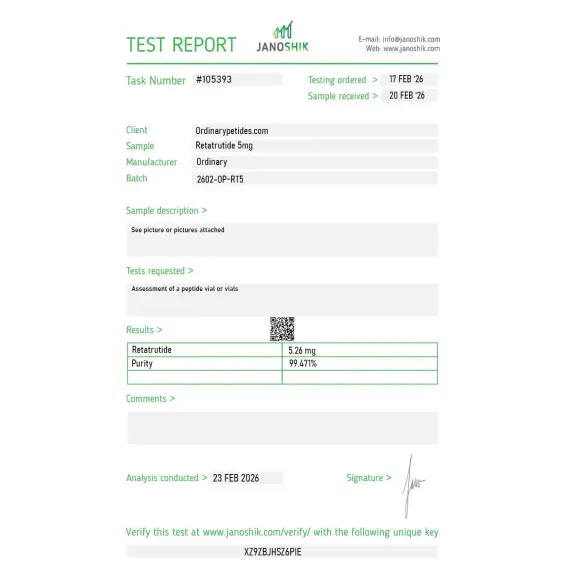
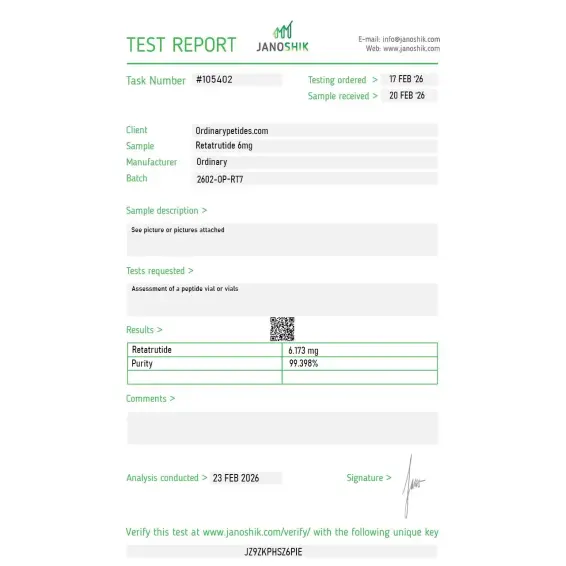
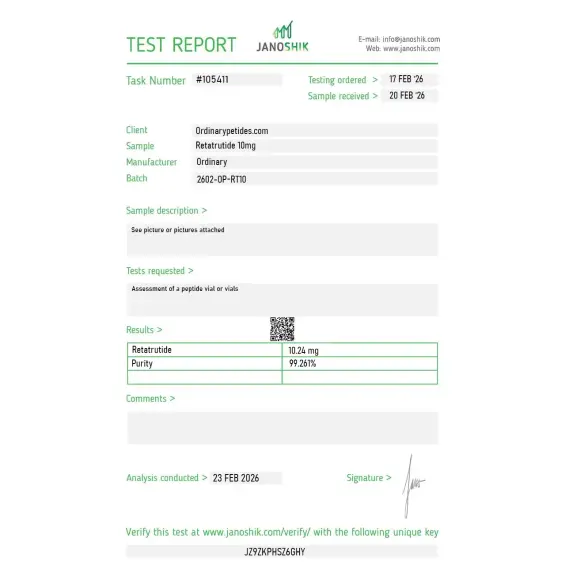
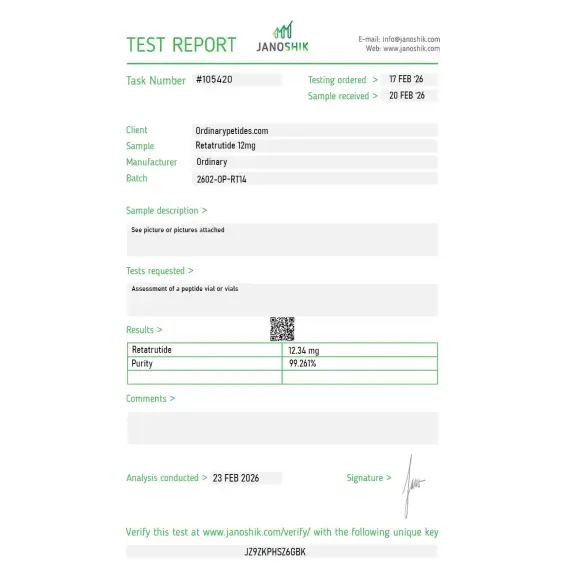
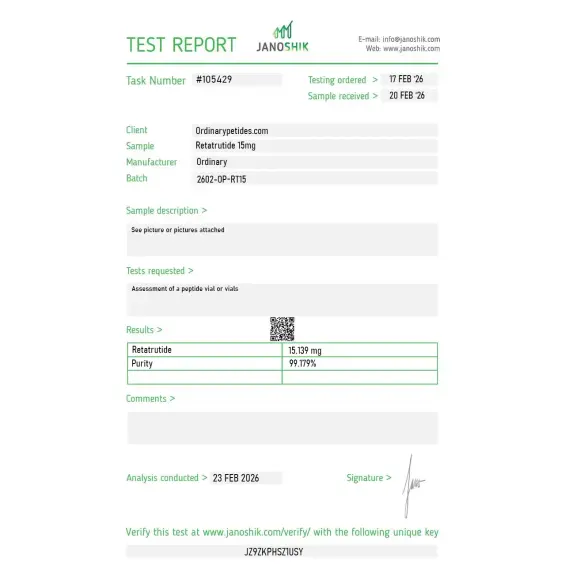
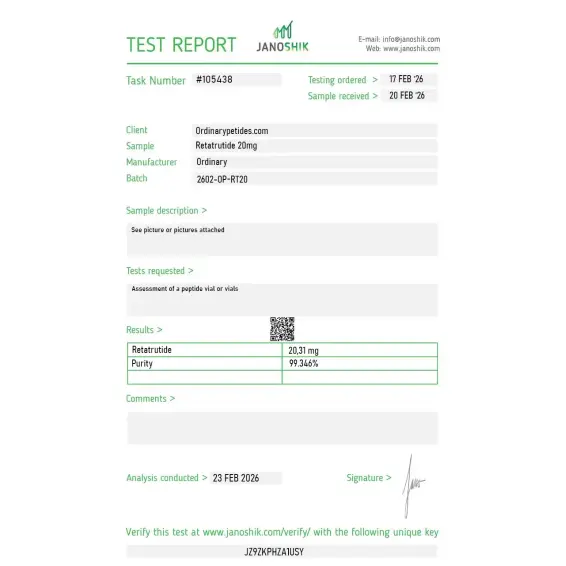
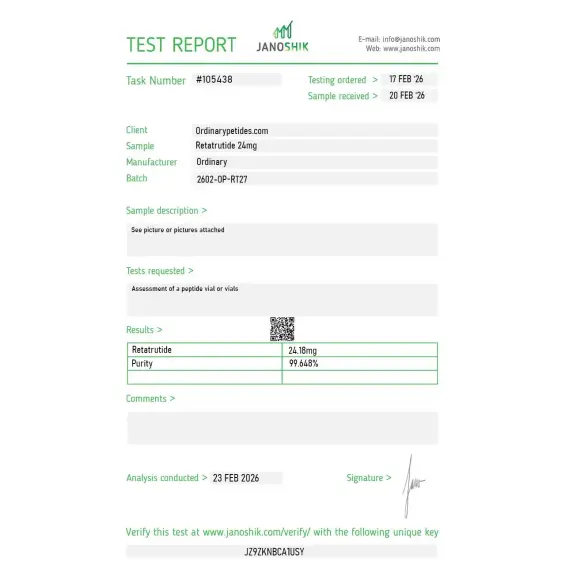
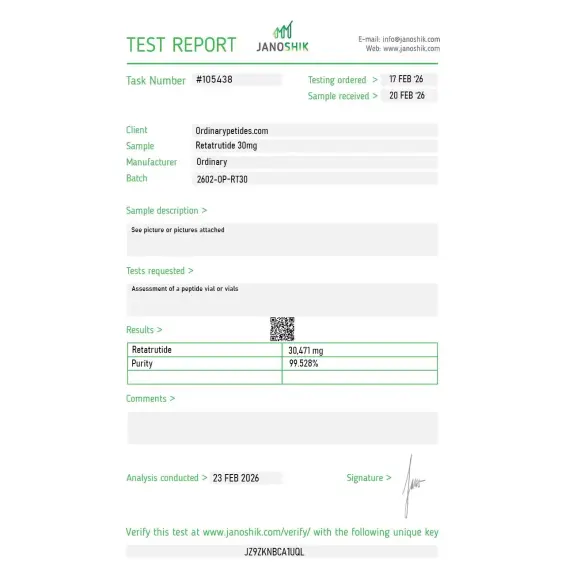
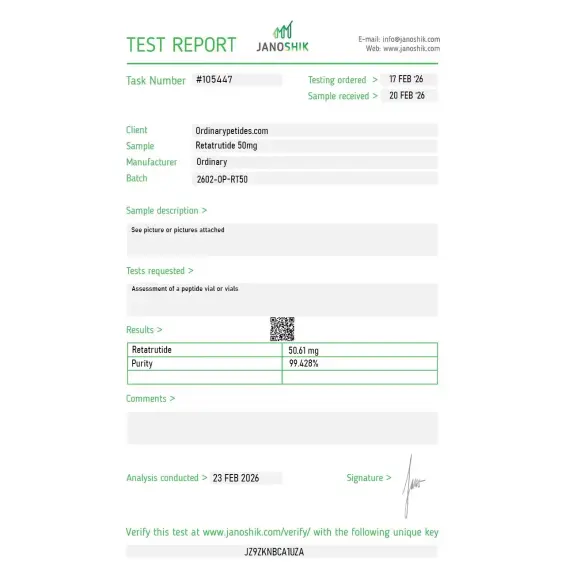
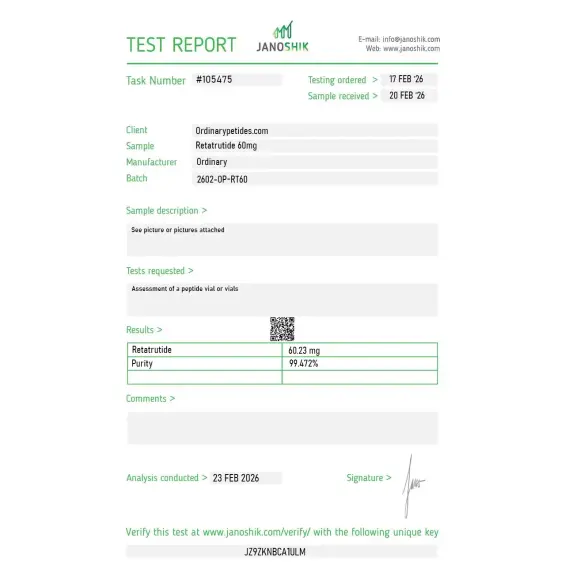
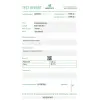
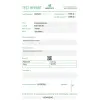
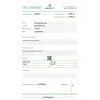
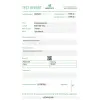
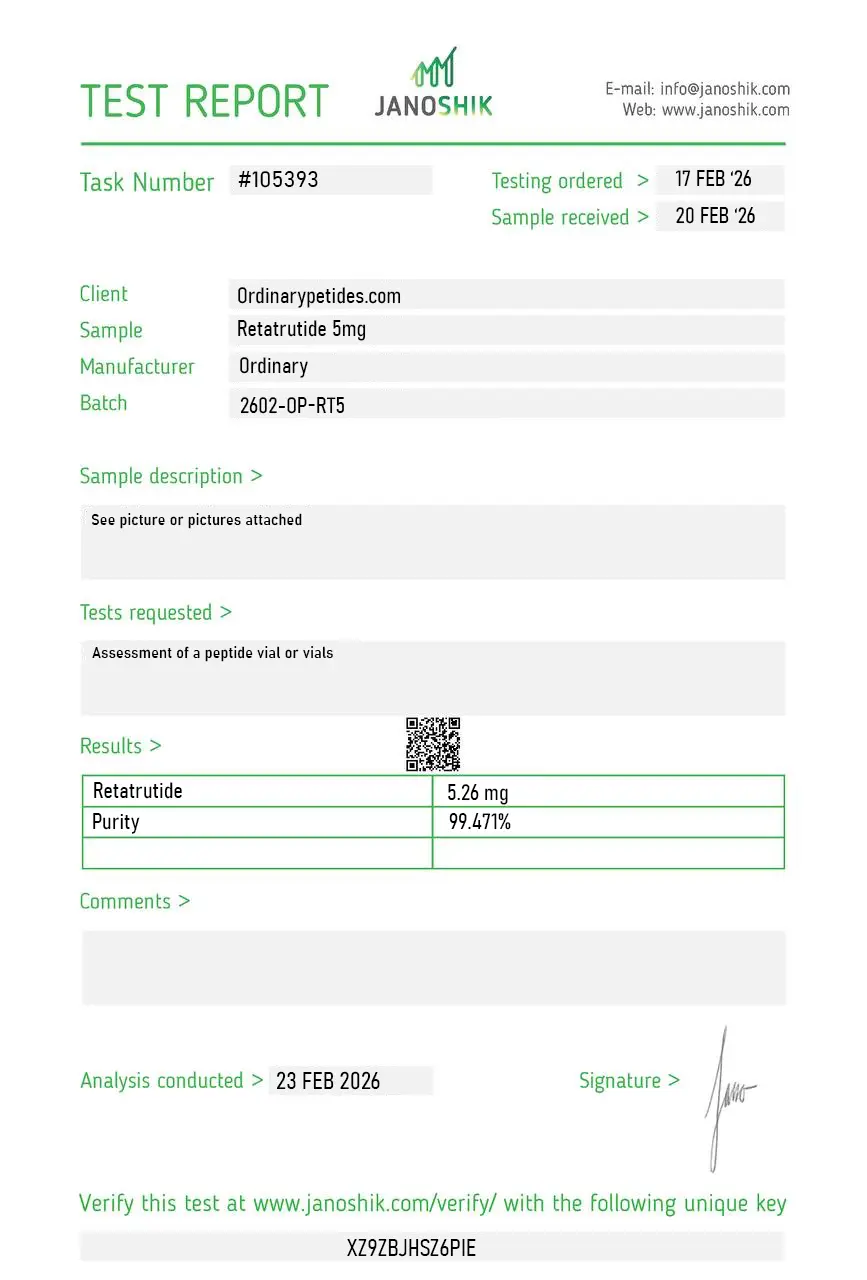
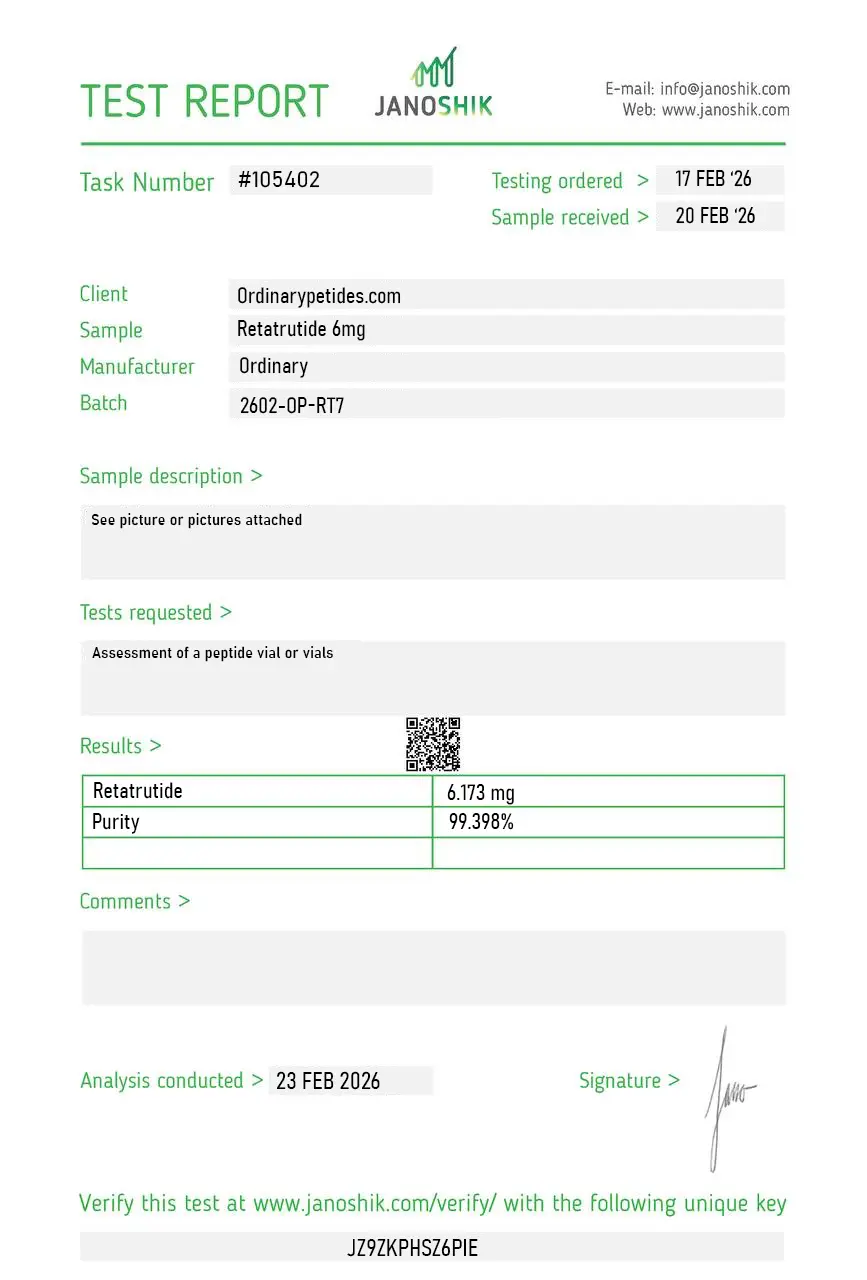
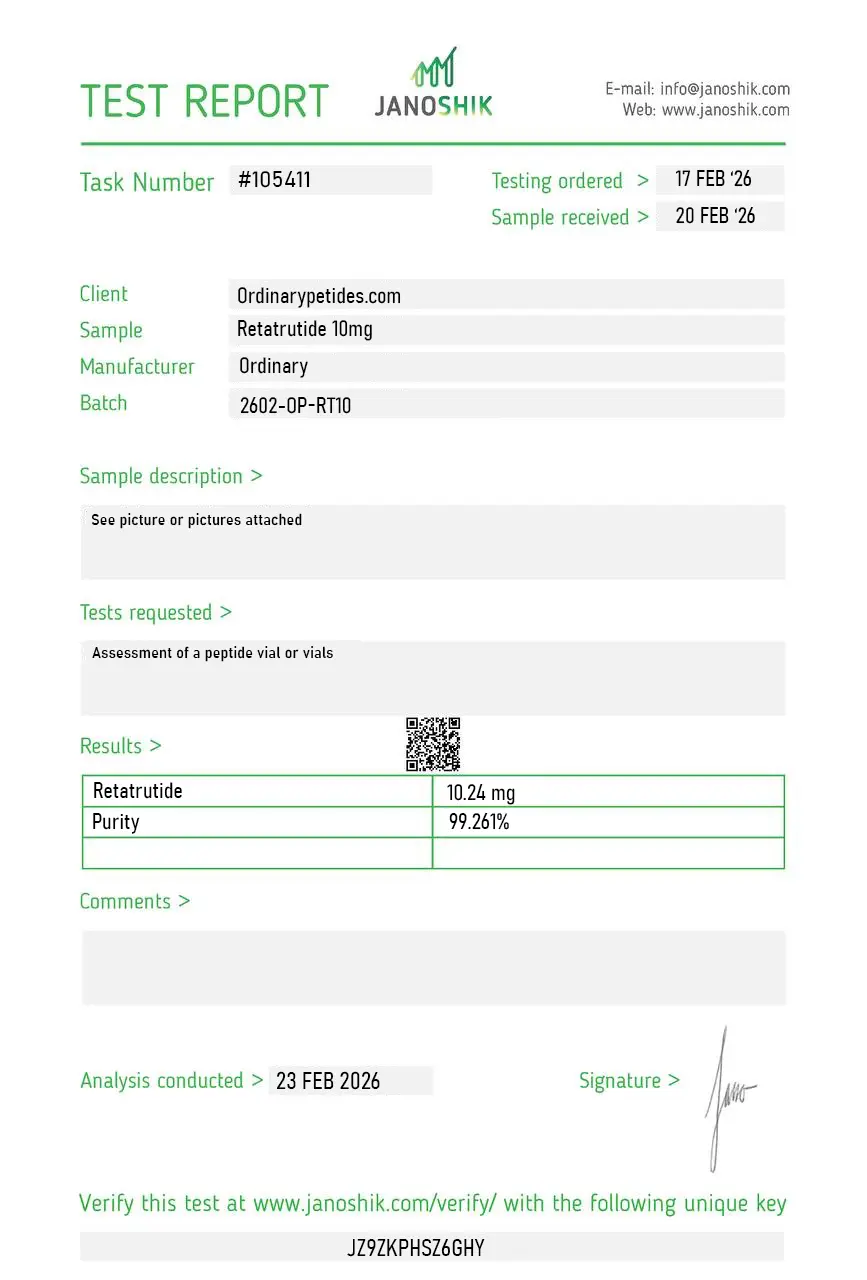
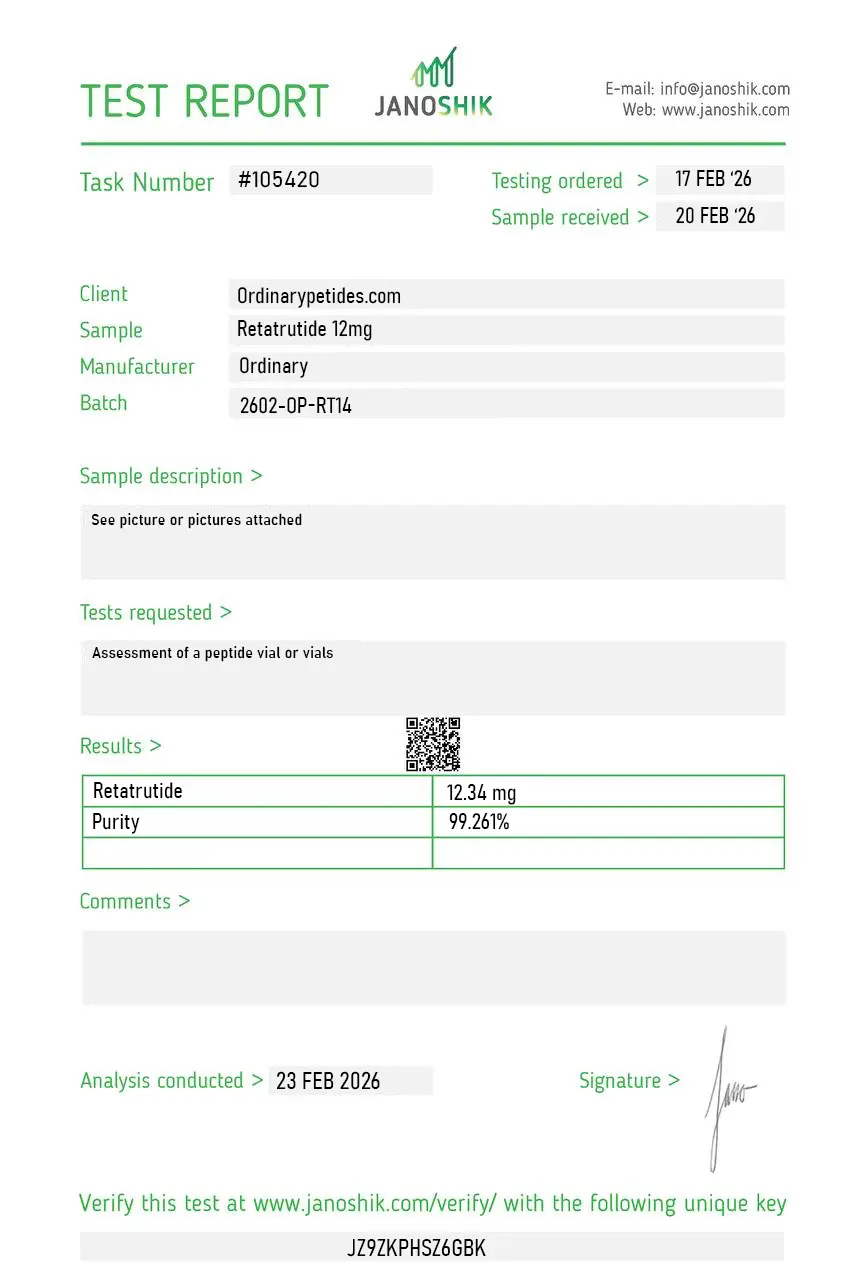
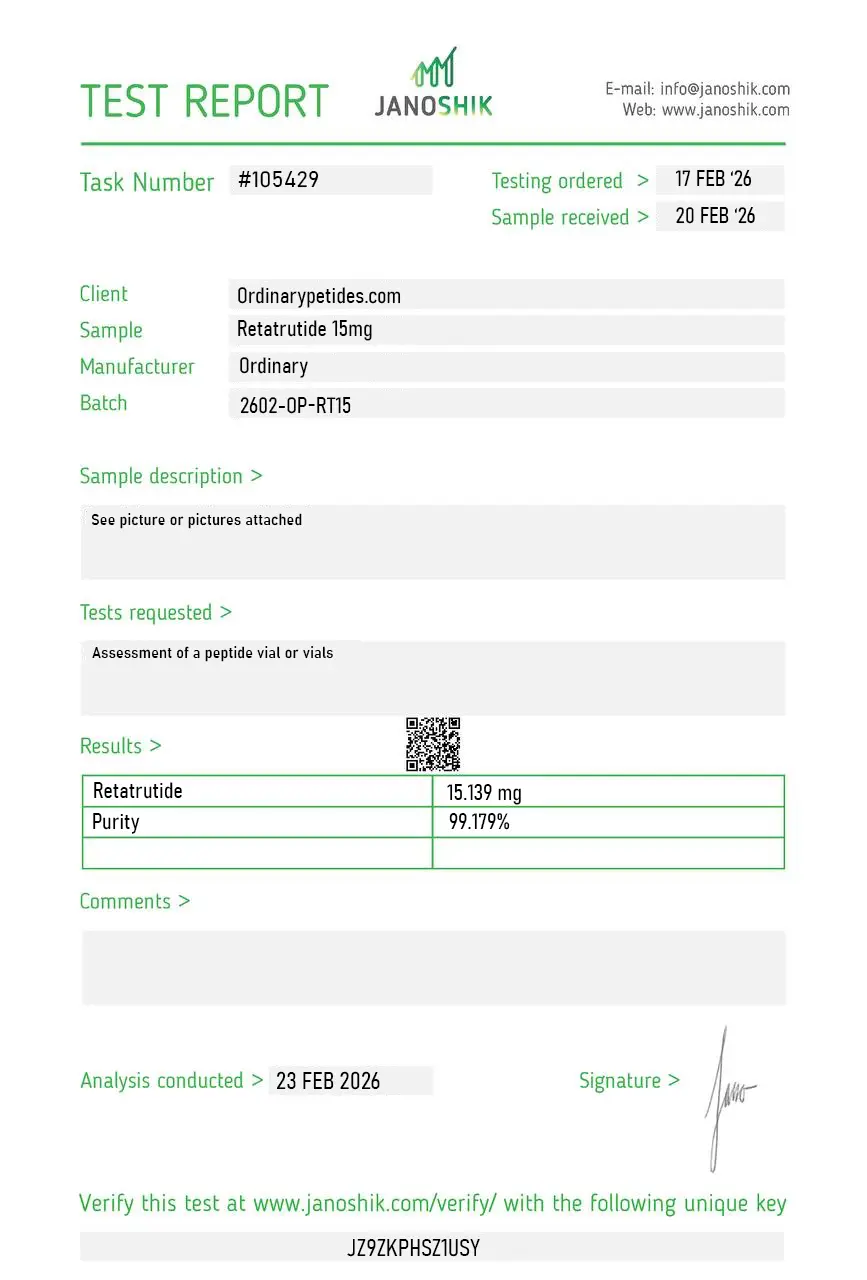
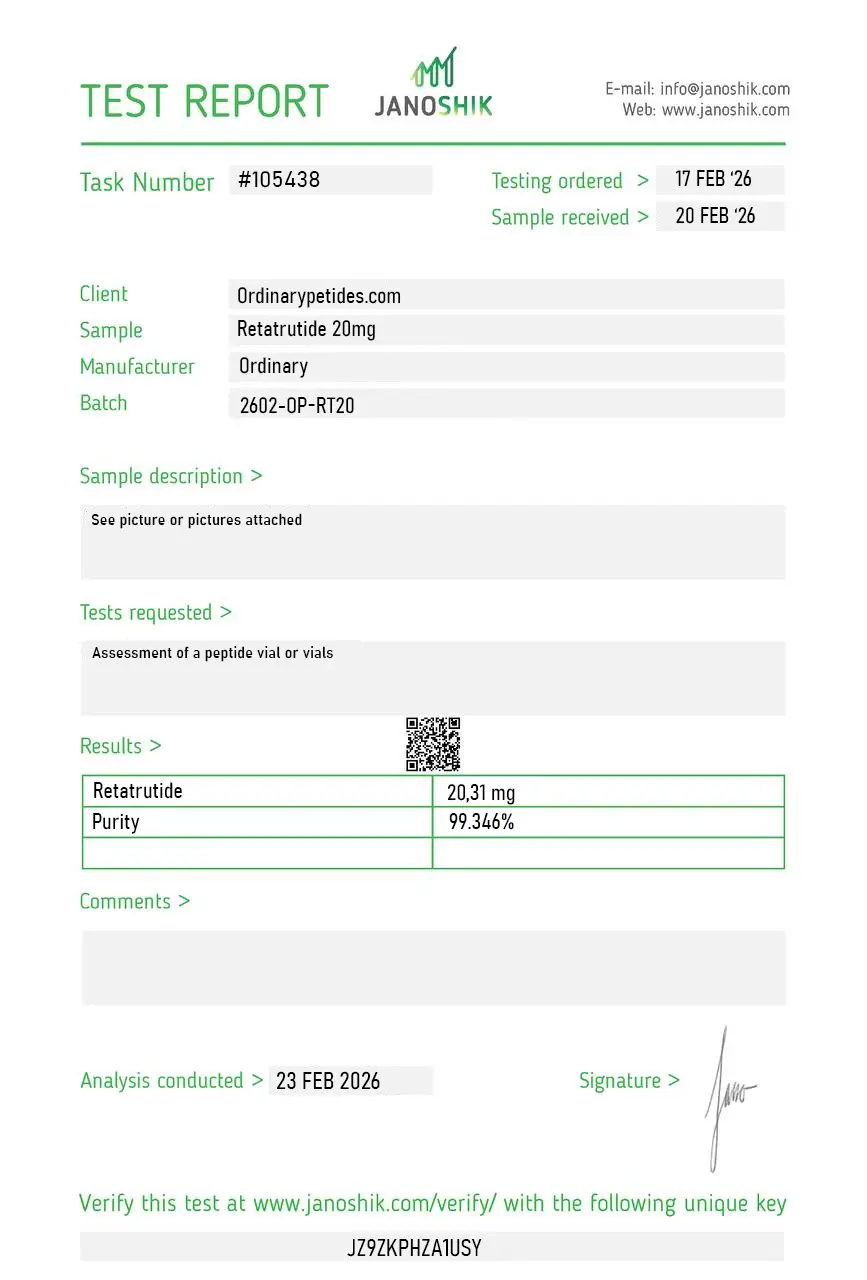
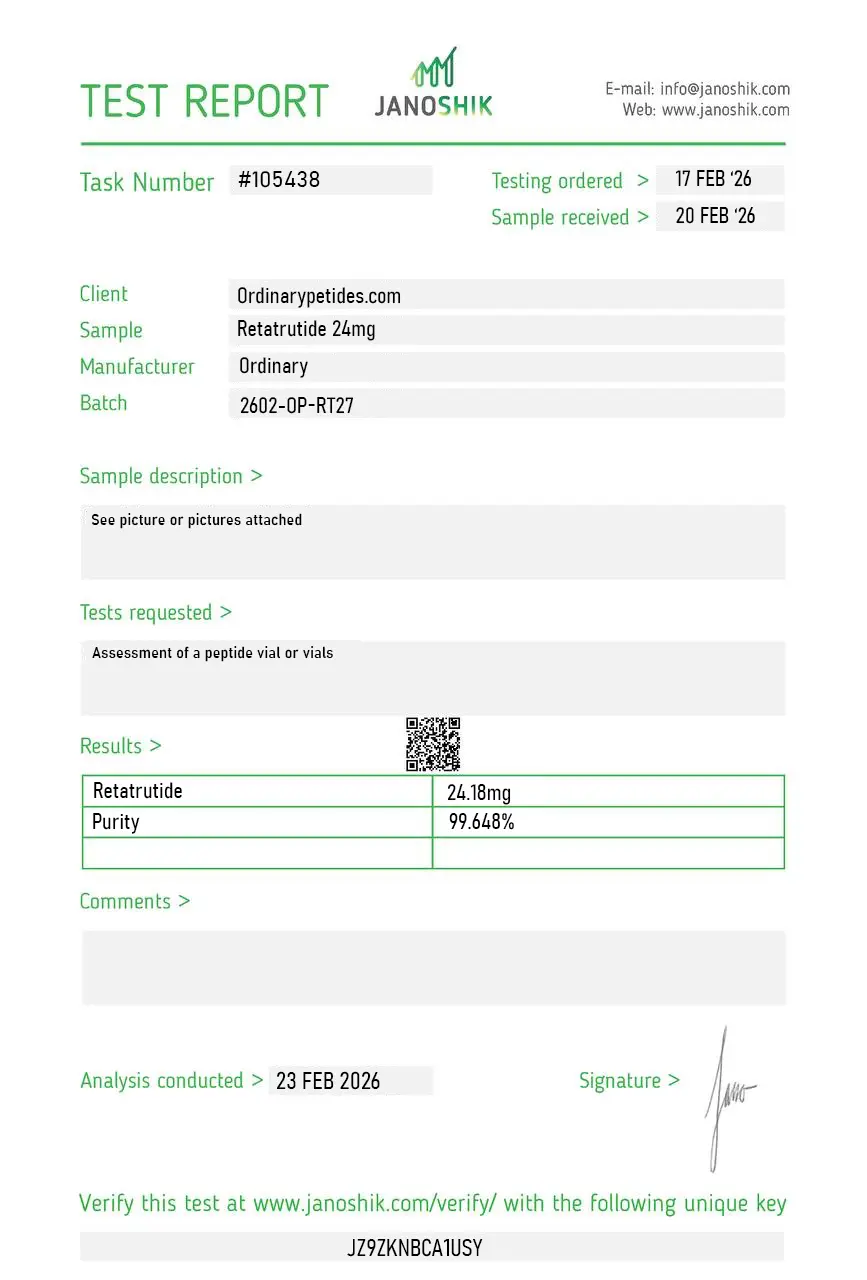
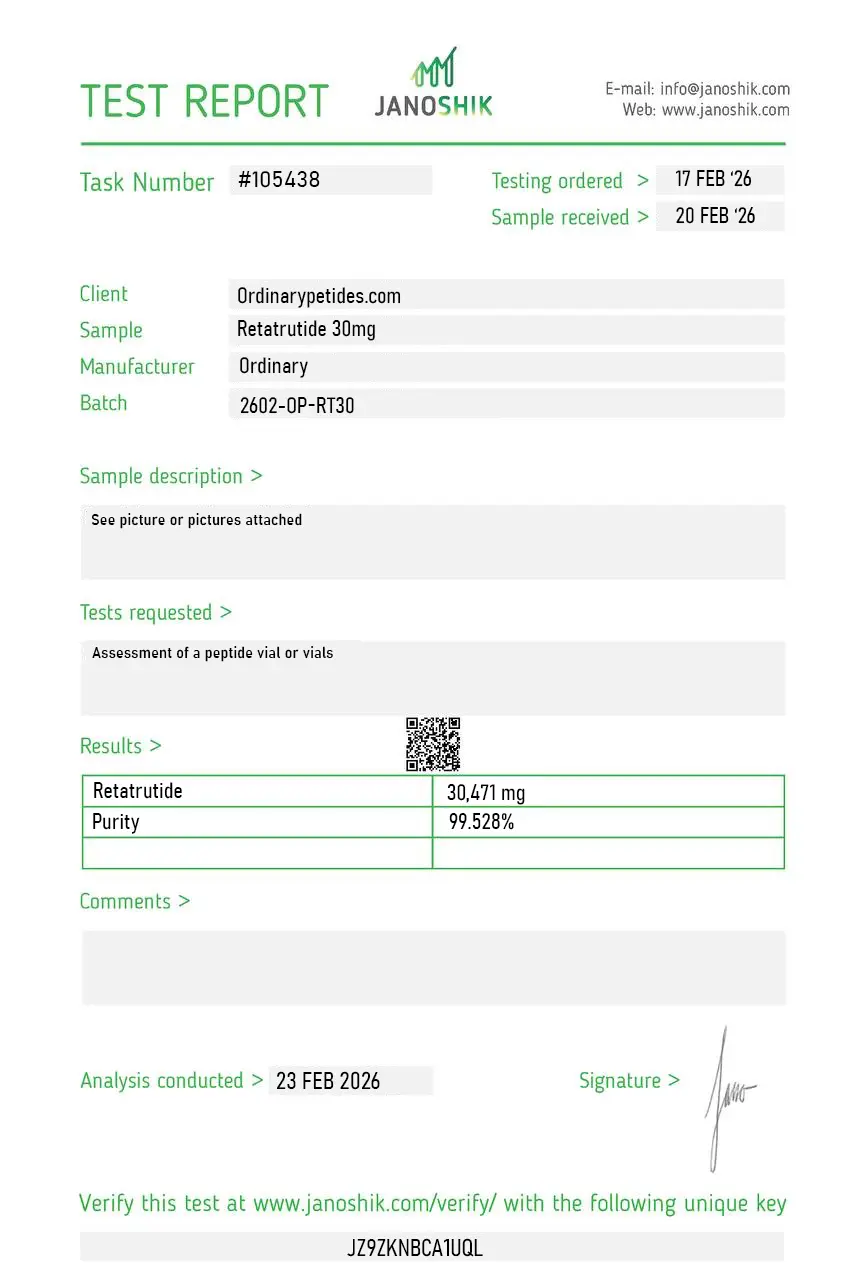
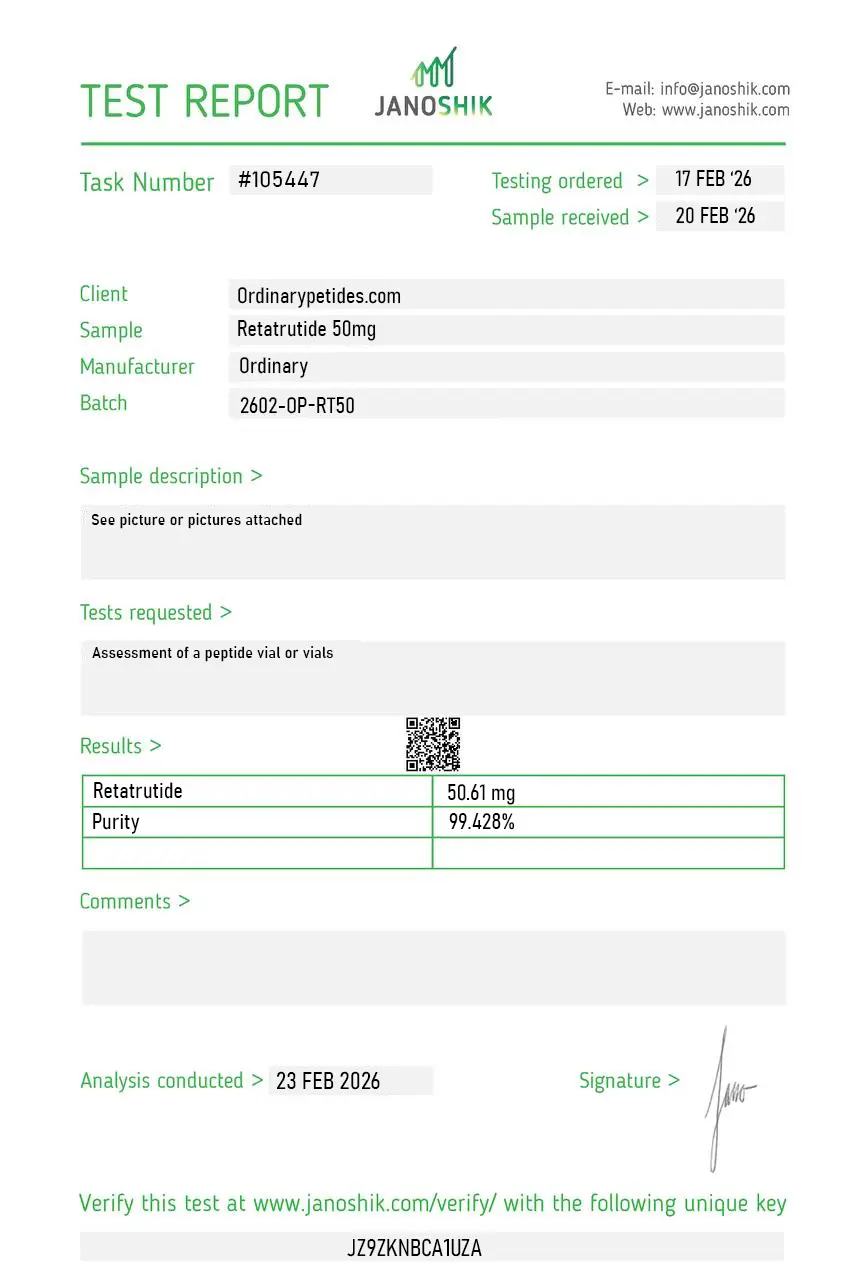
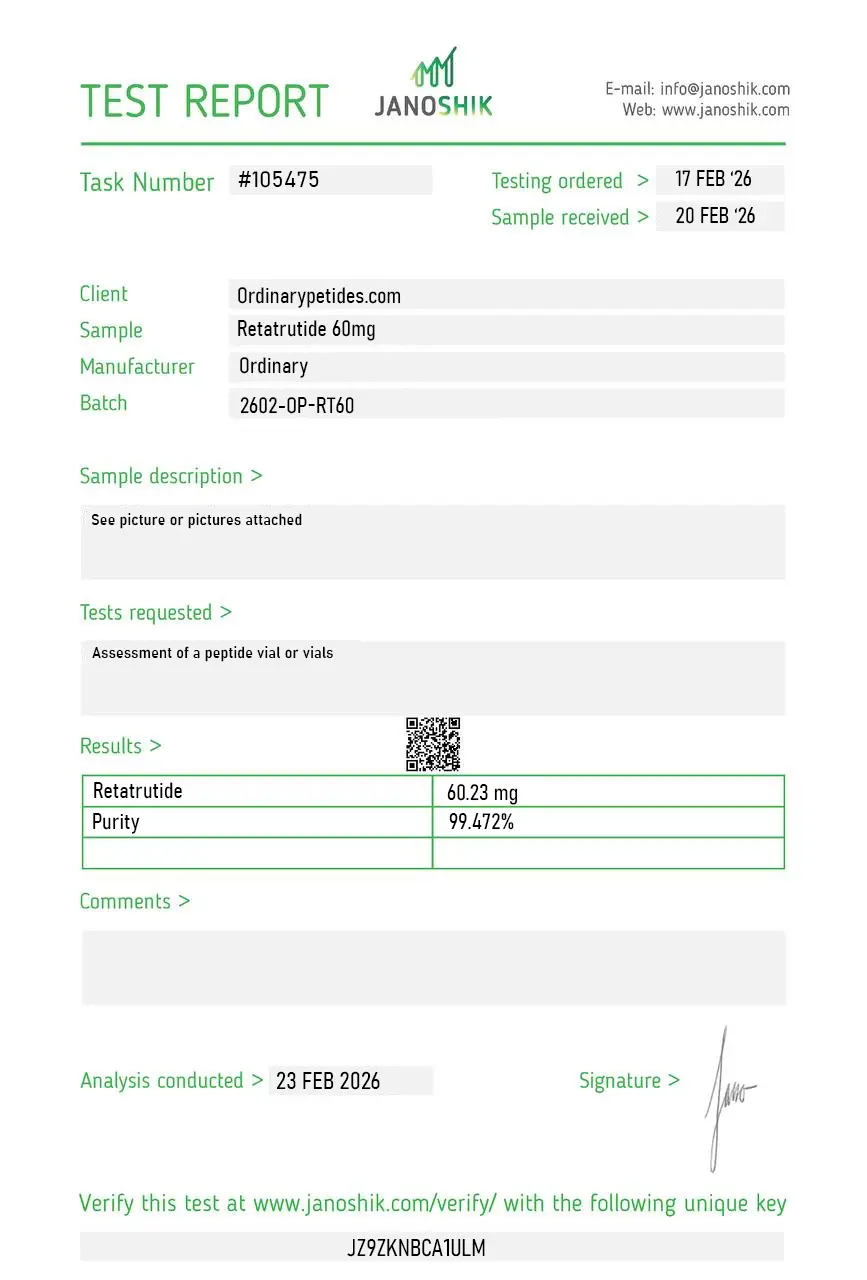
Independent test reports are available for Retatrutide 5mg, 6mg, 10mg, 12mg, 15mg, 20mg, 24mg, 30mg, 50mg, and 60mg. These reports provide batch-level documentation and analytical verification information for research reference.
-
2
-
1
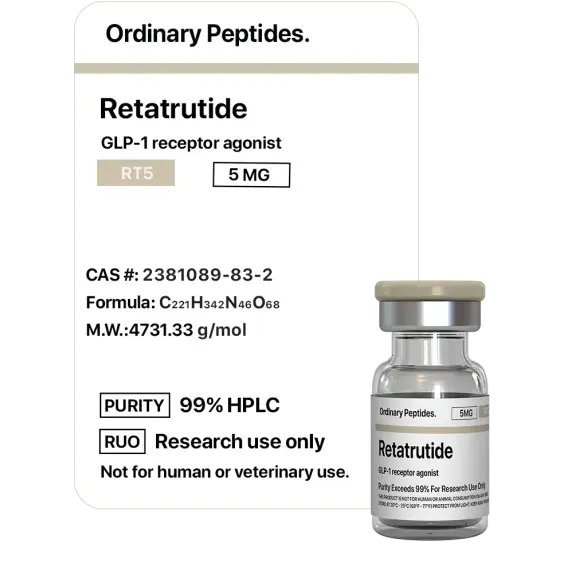
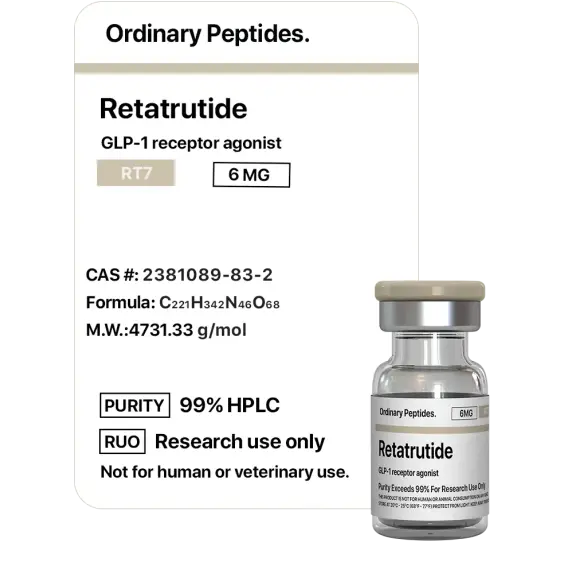
The vial labels are smaller than they should be for a compound this easy to mistake for tirzepatide in a freezer rack — both lipidated, similar peptide masses on a shipping label, similar vendor styling. We had a near-mix-up with a Tirzepatide vial on a busy bench day, no actual harm done because we caught it before reconstitution, but the labels really need to be larger and the compound name printed in bold. Material itself was fine. Speaking to a real bench-level problem.
Reorder. Triple-agonist work, nothing to report.
The thing that interests me about retatrutide pharmacologically is that the glucagon-receptor arm runs counter to traditional diabetes therapy intuition — glucagon raises blood sugar, so adding GCGR agonism to GLP-1/GIP looks paradoxical until you understand it's the energy expenditure side that the engineering exploits. That counterintuitive design is what makes it interesting as a research compound for studying how seemingly-opposing receptor activities can be combined productively. The material reproduced that paradoxical-looking signaling cleanly across our conditions.
At present, it is being developed for both obesity and T2D, as well as in programs for complications of obesity, including OSA and OA. But the final set of approved indications has not yet been formed, because the drug has not yet completed the registration pathway.
Because the published weight-reduction results are genuinely very strong: up to 24.2% in phase 2 in obesity, and later topline data point to even more impressive figures in some phase 3 settings. This is a rare case where the early clinical picture looks almost "too good" not to cause excitement.
For now, that would be too bold a formulation. It is more accurate to say: according to the currently published data, it demonstrates one of the strongest effects on body weight among modern metabolic drugs, but its final place in therapy has not yet been determined.
Partly yes, because the GLP-1 component is there. But retatrutide is broader in mechanism: it simultaneously activates GIP, GLP-1, and glucagon receptors.
Above all the class-typical GI profile and everything related to heart rate and long-term cardiometabolic safety. So far this is not a "red flag," but it is also not a closed question.
No. Scientifically, it is more accurate to say that it may become an important therapy if the late-stage program confirms its efficacy and acceptable safety.
Retatrutide (development code LY3437943, nicknamed "triple G" or "reta") is an investigational once-weekly injectable peptide developed by Eli Lilly — the same company behind tirzepatide (Mounjaro/Zepbound). It is a 39-amino acid peptide conjugated to a C20 fatty diacid moiety that extends its half-life to approximately 6 days, enabling convenient once-weekly subcutaneous dosing. It is the first and currently only compound in late-stage clinical development to simultaneously activate all three of the primary metabolic hormone receptors — GIP (glucose-dependent insulinotropic polypeptide receptor), GLP-1 (glucagon-like peptide-1 receptor), and glucagon receptor — in a single molecule, making it a true triple hormone receptor agonist. As of April 2026 it is in Phase 3 clinical trials under the TRIUMPH program and has not received FDA approval for any indication.
Retatrutide's triple-agonist mechanism integrates three complementary metabolic pathways that together produce greater weight loss and metabolic improvement than any single or dual pathway can achieve alone. GLP-1 receptor activation — already the foundation of semaglutide — reduces appetite through hypothalamic signaling, stimulates glucose-dependent insulin secretion, suppresses glucagon, and slows gastric emptying. GIP receptor activation — the same pathway added in tirzepatide — enhances insulin secretion synergistically with GLP-1, promotes adipose tissue lipolysis, and appears to amplify the appetite-suppressing effects of GLP-1 through central and peripheral mechanisms. Glucagon receptor activation — the third and novel component — drives hepatic fatty acid oxidation and gluconeogenesis, stimulates lipolysis in adipose tissue through a mechanism distinct from GIP, promotes thermogenesis in brown adipose tissue, and reduces hepatic lipogenesis. The glucagon component contributes specifically to fat oxidation and energy expenditure beyond appetite suppression — which is the theoretical basis for retatrutide's superior weight loss versus dual agonists. Retatrutide is designed with lower potency at GLP-1 and glucagon receptors relative to the natural hormones, and higher potency at GIP receptors compared to native GIP — a balanced ratio intended to maximize metabolic benefit while managing the hyperglycemic risk that would accompany full glucagon receptor activation
Retatrutide sits at the leading edge of the pharmacological progression in obesity treatment — from single GLP-1 agonists like semaglutide achieving approximately 15% weight loss, to dual GLP-1/GIP agonists like tirzepatide achieving approximately 22.5%, to triple GLP-1/GIP/glucagon agonists like retatrutide achieving 24% and above. The addition of glucagon receptor activity appears to drive an additional metabolic contribution — likely through increased energy expenditure and fat oxidation — beyond what appetite suppression alone can produce. The osteoarthritis pain reduction finding is particularly significant as it suggests retatrutide may address obesity-related comorbidities through mechanisms beyond simple weight reduction.
Retatrutide is given as a once-weekly subcutaneous injection using a prefilled autoinjector. Dosing follows a gradual step-up titration protocol to minimize gastrointestinal side effects — starting at 2 mg weekly and increasing stepwise through 4 mg, 6 mg, and optionally 9 mg or 12 mg over several weeks. The target doses in Phase 3 trials are 9 mg and 12 mg once weekly. The 6-day half-life allows for the weekly dosing schedule.
The side effect profile is consistent with the GLP-1 drug class — predominantly gastrointestinal. In Phase 3 TRIUMPH-4 at 9 mg and 12 mg respectively — nausea 38.1% and 43.2%, diarrhea 34.7% and 33.1%, constipation 21.8% and 25.0%, vomiting 20.4% and 20.9%, and decreased appetite 19.0% and 18.2% — all higher than placebo rates. A notable finding specific to retatrutide is dysesthesia — abnormal skin sensations including tingling, burning, or numbness — occurring in 8.8% and 20.9% at 9 mg and 12 mg respectively versus 0.7% with placebo. These were generally mild and rarely led to discontinuation. Discontinuation rates due to adverse events were 12.2% and 18.2% at 9 mg and 12 mg versus 4.0% with placebo. Dose-dependent transient heart rate increases were observed in Phase 2, with some supraventricular arrhythmias and conduction disorders noted but not deemed serious.
As it is not yet approved, the full contraindication profile will be established in the prescribing information. Based on Phase 2 and 3 trial exclusion criteria and class effects, people with a personal or family history of medullary thyroid carcinoma or Multiple Endocrine Neoplasia type 2 should not use it. Those with a history of pancreatitis, recent cardiovascular events, type 1 diabetes, or conditions requiring avoidance of incretin therapies should not use it. Pregnant or breastfeeding women should not use it. Anyone considering retatrutide should do so only through an approved clinical trial — it is not legally available through any other channel in the United States, and the FDA has explicitly warned against compounded or online "retatrutide" products which pose serious safety risks from unknown purity and dosing.