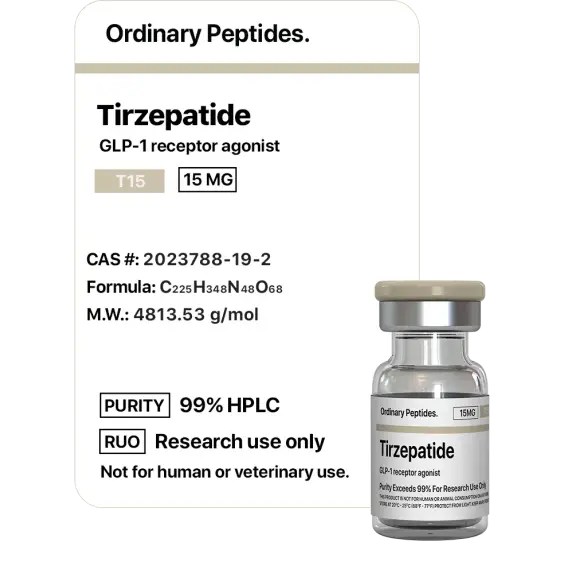
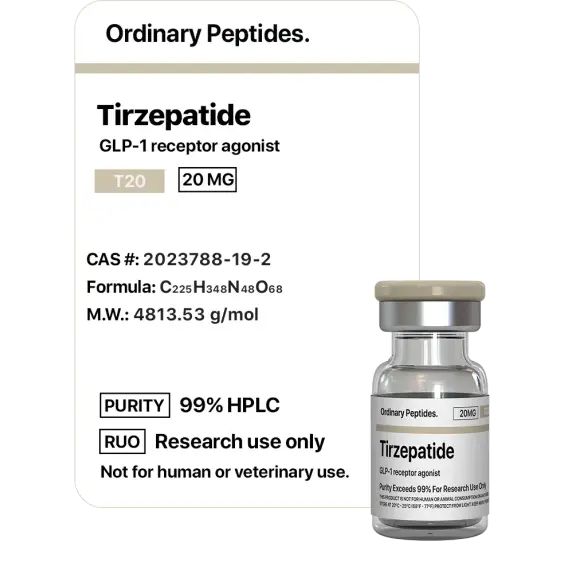
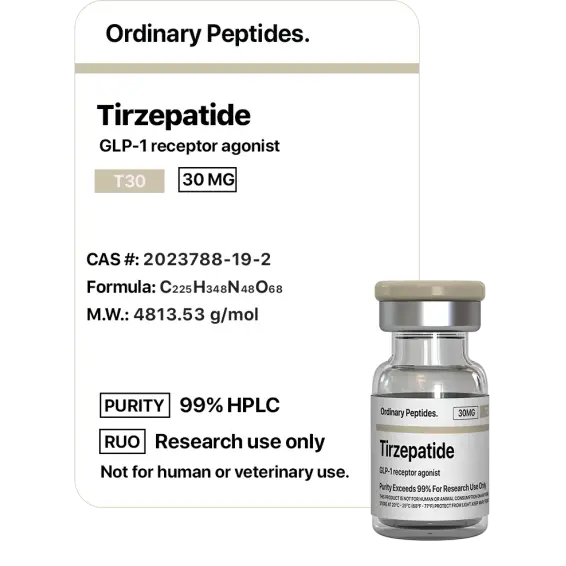
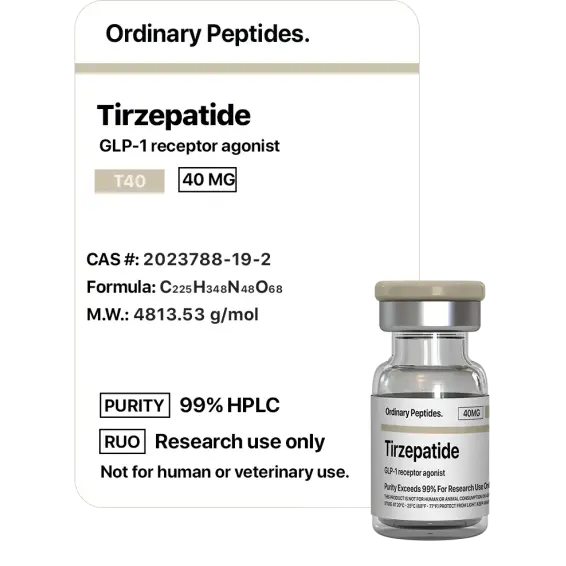
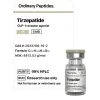
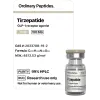
Tirzepatide
For in vitro testing and laboratory use only. Not for human or animal consumption. Bodily introduction is illegal. Handle only by licensed professionals. Not a drug, food, or cosmetic. Educational use only.
Tirzepatide: A Next-Generation Peptide That Has Already Changed the Conversation About Weight and Metabolism
Tirzepatide is a synthetic peptide and dual GIP/GLP-1 receptor agonist that became the first truly notable "twincretin" in modern metabolic pharmacology. In clinical studies it demonstrated pronounced reductions in body weight and HbA1c, and in a research context its effects were linked to simultaneous influence on appetite, gastric emptying, insulin secretion, and fat metabolism.
It is precisely this dual mechanism that makes the molecule so interesting: not simply another familiar pathway, but a more complex and ambitious biology.
At the same time, the effect looks strong specifically within the context of particular studies, doses, and indications — and not as a universal solution "for everyone at once." If you are interested in peptides backed not only by hype but also by a large RCT program, tirzepatide certainly deserves separate attention.
A little science, a little wow-factor, and a great deal of interest from the entire field of metabolic medicine — that is why it is being talked about so much right now.
Tirzepatide (Mounjaro / Zepbound): A Scientific Review
Based on peer-reviewed literature — see References. Last updated: April 2026.
The Short Version
Tirzepatide is the compound that moved the obesity pharmacology conversation from “can drugs achieve meaningful weight loss?” to “how do we manage 20%+ weight loss in clinical practice?” In SURMOUNT-1, it produced average weight loss of 20.9% over 72 weeks — the highest ever recorded for a pharmacological agent in a Phase 3 RCT at the time of publication — with more than a third of patients achieving ≥25% reduction. In the first head-to-head comparison against semaglutide (SURMOUNT-5, NEJM, May 2025), tirzepatide produced 20.2% weight loss vs. 13.7% for semaglutide — a 47% greater relative reduction.[1][2]
The structural innovation is genuine. Tirzepatide was engineered from the native GIP amino acid sequence and simultaneously activates both GLP-1 receptors and GIP (glucose-dependent insulinotropic polypeptide) receptors. It is also the first-ever FDA-approved pharmacological treatment for obstructive sleep apnoea (December 2024), has cardiovascular outcomes data confirming noninferiority to dulaglutide in T2DM with ASCVD (SURPASS-CVOT, NEJM, December 2025), and has demonstrated efficacy in HFpEF, MASH, and paediatric T2DM.
| At a glance | |
|---|---|
| INN / Generic name | Tirzepatide |
| Brand names | Mounjaro (T2DM + paediatric T2DM); Zepbound (weight management + OSA) |
| Mechanism | Dual GIP/GLP-1 receptor agonist |
| Structure | ~51-amino acid GIP-based peptide + C20 fatty diacid moiety |
| Half-life | ~5 days (120 hours); once-weekly dosing |
| Developer | Eli Lilly and Company |
| FDA approvals | ✅ T2DM (May 2022); ✅ Weight management (Nov 2023); ✅ OSA (Dec 2024); ✅ Paediatric T2DM ≥10 years (2025) |
| WADA status | Not prohibited |
| Compounding status | Largely prohibited as of March 2025 (shortage resolved) |
What Is GIP and Why Does It Matter?
Glucose-dependent insulinotropic polypeptide (GIP) is a 42-amino acid hormone secreted by K-cells in the proximal small intestine after nutrient ingestion. Along with GLP-1, GIP is a major “incretin” hormone — accounting for approximately 50–70% of the total incretin effect in healthy individuals. In people with T2DM, GIP’s insulinotropic response is severely blunted, which long made GIP agonism appear therapeutically uninteresting. GLP-1’s insulinotropic effect was preserved in T2DM while GIP’s was not.
The insight that enabled tirzepatide came from preclinical research: in animal models of obesity, combined GIP + GLP-1 receptor agonism produced greater weight loss than either alone, even though GIP’s insulinotropic effect was impaired. GIP clearly had relevant biological effects beyond pancreatic insulin secretion that were preserved in obesity. Key GIP receptor (GIPR) expression sites include adipocytes (only GIPRs are found on human fat cells — GLP-1 receptors are absent from adipocytes) and CNS neurons in hypothalamic and brainstem appetite circuits that do not fully overlap with GLP-1 receptor expression. This variation in central expression is hypothesised to contribute to the higher weight reduction with dual GIP/GLP-1 agonism than with either receptor alone.[8]
Structure: Built from GIP, Not GLP-1
Tirzepatide’s structural foundation is the native GIP sequence, not GLP-1 — the opposite of semaglutide. In preclinical data, the affinity of tirzepatide for GIP receptors was equal to the affinity of native GIP for GIP receptors, whereas tirzepatide bound GLP-1 receptors with affinity approximately five times weaker than native GLP-1 — a deliberate design producing a “strong GIP agonist + moderate GLP-1 agonist” profile. GIP activation appeared to act synergistically with GLP-1 receptor activation to allow greater weight reduction than that achieved with GLP-1 receptor monoagonism.[8]
Tirzepatide includes a C20 fatty diacid moiety (longer than semaglutide’s C18 chain) that binds to serum albumin, providing the ~5-day half-life needed for once-weekly dosing. Additional amino acid substitutions including an Aib at position 2 provide DPP-4 resistance.
Complete FDA Approval Timeline
| Date | Brand | Indication |
|---|---|---|
| May 2022 | Mounjaro | T2DM: glycaemic control in adults |
| November 2023 | Zepbound | Chronic weight management (adults; BMI ≥30 or ≥27 + comorbidity) |
| December 2024 | Zepbound | ✅ Moderate-to-severe OSA in adults with obesity (first-ever drug for OSA) |
| 2025 | Mounjaro | T2DM: glycaemic control in children/adolescents ≥10 years |
The SURPASS Programme: T2DM Evidence
SURPASS-2 (NEJM, 2021): First head-to-head comparison vs. semaglutide 1 mg in T2DM (N=1,879). All tirzepatide doses reduced HbA1c more than semaglutide; the 15 mg dose produced −2.3% vs. −1.86%. Weight loss: −9.6 kg (15 mg tirzepatide) vs. −5.7 kg (semaglutide).[4] SURPASS-3 and -4 established superiority over insulin degludec and insulin glargine, placing tirzepatide at all steps of the T2DM treatment algorithm.
SURPASS-CVOT (NEJM, December 2025): N=13,299; >4 years median follow-up; tirzepatide vs. dulaglutide in T2DM + ASCVD. The primary MACE-3 endpoint (CV death, MI, or stroke) occurred in 12.2% of tirzepatide patients vs. 13.1% of dulaglutide patients, meeting noninferiority (P=0.003). An expanded MACE endpoint that included coronary revascularisation was significantly reduced with tirzepatide (HR 0.88). This is the largest and longest active-comparator cardiovascular outcomes trial in T2DM history — comparing against a drug with established cardiovascular benefit rather than placebo.[5]
SURPASS-PEDS (Lancet, September 2025): Phase 3 in children/adolescents 10–18 years with T2DM. Superior HbA1c and BMI improvements vs. placebo at 30 weeks; HbA1c reduction −2.2%.
The SURMOUNT Programme: Obesity Evidence
SURMOUNT-1 (NEJM, 2022): N=2,539 adults with BMI ≥30 or ≥27 with comorbidity, without T2DM; 72 weeks. The 15 mg dose produced 20.9% mean weight loss — the highest ever recorded for a pharmacological agent in a Phase 3 RCT at the time. 63.6% of patients achieved ≥15% weight loss; 36.2% achieved ≥20%.[1]
SURMOUNT-4: Confirmed the chronic disease model — patients switched to placebo regained weight; those continuing tirzepatide maintained their loss, mirroring STEP-4 findings for semaglutide.
Beyond Obesity: The Expanding Indication Landscape
Obstructive sleep apnoea (OSA)
SURMOUNT-OSA (NEJM, 2024): Two Phase 3 trials (with and without CPAP background therapy). Tirzepatide 15 mg produced approximately 55% reduction in apnoea-hypopnoea index (AHI) in patients not on CPAP. The December 2024 FDA approval made tirzepatide the first pharmacologic therapy for moderate-to-severe OSA in adults with obesity — a condition previously manageable only with CPAP or surgical/device interventions.[3]
HFpEF (heart failure with preserved ejection fraction)
SUMMIT trial (Packer et al., NEJM, 2025): Tirzepatide vs. placebo in patients with HFpEF + obesity. Met the primary composite endpoint with significant reductions in cardiovascular death or worsening heart failure and improvements in KCCQ scores. The GLP-1/incretin class effect in HFpEF appears robust across both tirzepatide (SUMMIT) and semaglutide (STEP-HFpEF).[6]
MASH (metabolic dysfunction-associated steatohepatitis)
Loomba et al. (NEJM, 2024; Phase 2): All doses of tirzepatide produced significant reductions in liver fat and MASH resolution; a substantial proportion of patients on 10 and 15 mg achieved fibrosis improvement by ≥1 stage without worsening of activity. As of April 2026, tirzepatide has strong Phase 2 MASH data but has not yet received FDA approval for this indication; Phase 3 is underway. Semaglutide received MASH accelerated approval in August 2025.[7]
Comprehensive Trial Summary
| Trial | Indication | N | Key finding |
|---|---|---|---|
| SURPASS-2 [4] | T2DM vs. semaglutide 1 mg | 1,879 | HbA1c −2.3% vs. −1.86%; weight −9.6 kg vs. −5.7 kg |
| SURPASS-CVOT [5] | T2DM + ASCVD vs. dulaglutide | 13,299 | MACE noninferiority; expanded MACE HR 0.88 |
| SURPASS-PEDS | T2DM children ≥10 vs. placebo | TBD | HbA1c −2.2%; met all endpoints (Sep 2025) |
| SURMOUNT-1 [1] | Obesity (no T2DM) vs. placebo | 2,539 | −20.9% weight loss (15 mg); 36.2% achieved ≥20% |
| SURMOUNT-2 | Obesity + T2DM vs. placebo | 938 | −15.7% weight loss (15 mg) |
| SURMOUNT-4 | Weight maintenance | 670 | Regain confirmed with stoppage; maintenance confirmed with continuation |
| SURMOUNT-5 [2] | Obesity vs. semaglutide (head-to-head) | 751 | −20.2% vs. −13.7%; tirzepatide superior (Jul 2025) |
| SURMOUNT-OSA [3] | OSA + obesity vs. placebo | 469 | ~55% AHI reduction; FDA approval Dec 2024 |
| SUMMIT [6] | HFpEF + obesity vs. placebo | 731 | Improved HF composite; KCCQ improvement (2025) |
| MASH Phase 2 [7] | MASH with fibrosis | 190 | MASH resolution; fibrosis improvement (2024) |
Comparison: Tirzepatide vs. Semaglutide
| Feature | Tirzepatide | Semaglutide 2.4 mg |
|---|---|---|
| Mechanism | Dual GIP/GLP-1R agonist | Selective GLP-1R agonist |
| Weight loss (placebo-controlled) | −20.9% (SURMOUNT-1) | −14.9% (STEP 1) |
| Weight loss (head-to-head) | −20.2% (SURMOUNT-5) | −13.7% (SURMOUNT-5) |
| CV outcomes evidence | Noninferiority to dulaglutide (SURPASS-CVOT) | 20% MACE reduction vs. placebo (SELECT) |
| OSA indication | ✅ Yes (Dec 2024) | ❌ No |
| Paediatric T2DM | ✅ Yes (≥10 years, 2025) | ❌ No |
| Oral formulation | Not yet approved | ✅ Yes (Wegovy pill 25 mg, Dec 2025) |
| MASH approved | Phase 2 only (Phase 3 ongoing) | ✅ Accelerated approval Aug 2025 |
Tirzepatide produces more weight loss and better glycaemic control than semaglutide in head-to-head comparison. Semaglutide has a more mature cardiovascular evidence base (SELECT vs. placebo in a non-diabetic population) and an approved oral option. For maximum weight reduction, tirzepatide is currently the stronger agent.
Safety Profile
GI side effects (nausea, diarrhoea, vomiting, constipation) are the most common adverse events, predominantly during dose escalation, typically mild-to-moderate, and resolving with continued use. The standard escalation schedule (starting at 2.5 mg, increasing in 2.5 mg increments every 4 weeks) was designed specifically to minimise GI intolerance.
⚠️ Boxed warning: thyroid C-cell tumours (class warning; rodent carcinogenicity studies showed C-cell hyperplasia; no human signal established; contraindicated in patients with personal or family history of MTC or MEN2). Cholelithiasis: weight-loss-associated gallstone risk ~1.4–2.2% vs. 0.6% placebo in SURMOUNT-1 — proportional to the rate and magnitude of weight loss. Pancreatitis: absolute risk increase very small and not statistically significant in pooled Phase 3 data (Risk Ratio 1.46; P=0.436); labelled warning. Lean mass loss: approximately 15–20% of weight lost is lean mass; resistance exercise and adequate protein are routinely recommended.
Compounding history and resolution: Tirzepatide was placed on the FDA shortage list in 2022. The FDA ended enforcement discretion for compounding tirzepatide in March 2025; as of 2026, 503A compounding pharmacies cannot legally produce compounded tirzepatide except in narrow, medically documented cases.
Common Misconceptions
“Tirzepatide is just a stronger semaglutide.”
Tirzepatide adds GIP receptor activation — a pharmacological mechanism absent from semaglutide. It is not a dose escalation of the same drug but a mechanistically distinct compound that engages GIPR (including direct adipocyte signalling) in addition to GLP-1R. The GIP component activates pathways that GLP-1 monoagonism does not engage.
“The OSA approval just means weight loss helps sleep apnoea.”
While OSA improvement is primarily mediated through weight-loss-induced reduction of upper airway fat deposition, the approval reflects a genuine randomised trial (SURMOUNT-OSA) demonstrating clinically significant AHI improvement at a level sufficient for FDA approval. The mechanism is valid; the trial confirmation makes it an approved indication.
“Tirzepatide is approved for MASH.”
As of April 2026, tirzepatide has strong Phase 2 NEJM data for MASH but has not received FDA approval for this indication. A Phase 3 MASH programme is underway. Semaglutide received MASH accelerated approval in August 2025; tirzepatide’s approval in this space, if it comes, is pending Phase 3 data.[7]
Key Takeaways
- ✅ Tirzepatide has the deepest and most rapidly expanding clinical evidence base in modern metabolic medicine. SURPASS, SURMOUNT, SUMMIT, SURPASS-CVOT, SURMOUNT-5, SURPASS-PEDS — the trial programme is extraordinary in scope, quality, and speed.
- ✅ SURMOUNT-5 (NEJM, May 2025) establishes tirzepatide’s weight-loss superiority over semaglutide in a head-to-head RCT. 20.2% vs. 13.7% at 72 weeks — the most important comparative effectiveness data in obesity pharmacology as of 2026.[2]
- The GIP receptor contribution is pharmacologically genuine and not yet fully understood. The additive weight loss beyond GLP-1 monoagonism is real and well-replicated; the precise molecular mechanisms at the adipocyte, CNS, and other tissue levels are active research questions. We know it works better; we’re still figuring out exactly why.
- ✅ Tirzepatide is the first-ever approved pharmacological treatment for obstructive sleep apnoea (December 2024) — clinically significant for a condition affecting approximately 1 billion people globally that was previously manageable only with CPAP or surgical/device interventions.[3]
- ✅ SURPASS-CVOT validates cardiovascular benefit against an active GLP-1 comparator over 4 years. Noninferiority to a drug with established CV benefit is a demanding test that was met, providing confidence for the highest-CV-risk patients with T2DM.[5]
- Weight regain on discontinuation is a fundamental property, not a drug failure. SURMOUNT-4’s withdrawal data confirms that tirzepatide manages the chronic disease of obesity while administered; stopping it allows disease recurrence.
Related Research
- Tirzepatide Research: How the Dual Agonist Works
- Tirzepatide Side Effects: Key Study Findings & Risks
- Compounded Tirzepatide: FDA Warnings & Safety Guide
- Tirzepatide News 2026: Research, Regulation & Market
- GLP-1 Non-Responders: Why Weight-Loss Drugs Fail
References
SURMOUNT Programme
- Jastreboff AM, Aronne LJ, Ahmad NN, et al. Tirzepatide once weekly for the treatment of obesity. New England Journal of Medicine. 2022;387(3):205–216. (SURMOUNT-1)
- Aronne LJ, Bade Horn D, le Roux CW, et al. Tirzepatide as compared with semaglutide for the treatment of obesity. New England Journal of Medicine. 2025;393(1):26–36. (SURMOUNT-5)
- Malhotra A, Grunstein RR, Fietze I, et al. Tirzepatide for the treatment of obstructive sleep apnoea and obesity. New England Journal of Medicine. 2024;391(13):1193–1205. (SURMOUNT-OSA)
SURPASS Programme
- Frías JP, Davies MJ, Rosenstock J, et al. Tirzepatide versus semaglutide once weekly in patients with type 2 diabetes. New England Journal of Medicine. 2021;385(6):503–515. (SURPASS-2)
- Nicholls SJ, Pavo I, Bhatt DL, et al. Cardiovascular outcomes with tirzepatide versus dulaglutide in type 2 diabetes. New England Journal of Medicine. 2025;393:2409–2420. (SURPASS-CVOT)
Additional Indications
- Packer M, Zile MR, Kramer CM, et al. Tirzepatide for heart failure with preserved ejection fraction and obesity. New England Journal of Medicine. 2025;392(5):427–437. (SUMMIT)
- Loomba R, Hartman ML, Lawitz EJ, et al. Tirzepatide for metabolic dysfunction-associated steatohepatitis with liver fibrosis. New England Journal of Medicine. 2024;391(4):299–310. (MASH Phase 2)
Structure and Mechanism
- Coskun T, Sloop KW, Loghin C, et al. LY3298176, a novel dual GIP and GLP-1 receptor agonist for the treatment of type 2 diabetes mellitus: from discovery to clinical proof of concept. Molecular Metabolism. 2018;18:3–14.
Key Investigators
- Ania M. Jastreboff, MD, PhD — Yale University; SURMOUNT-1 and SURMOUNT-5 principal investigator; among the leading obesity pharmacology trialists of the current era.
- Stephen Nicholls, MBBS, PhD — Victorian Heart Institute, Monash University; SURPASS-CVOT lead investigator.
- Atul Malhotra, MD — UC San Diego; SURMOUNT-OSA global principal investigator.
- Eli Lilly and Company — developer of tirzepatide; manufacturer of Mounjaro and Zepbound.
Certificate of Analysis
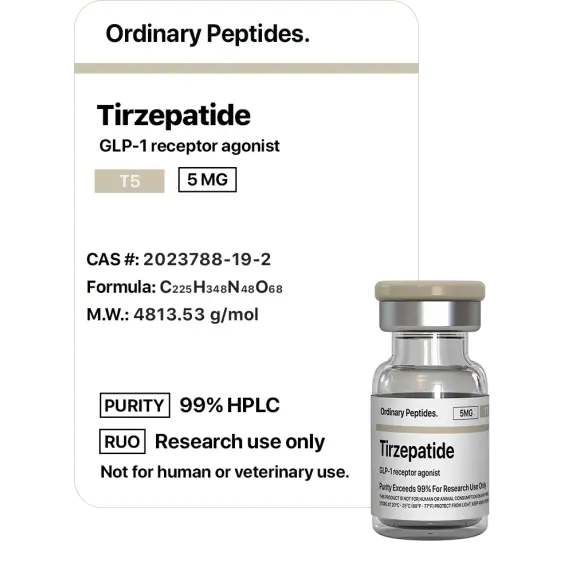
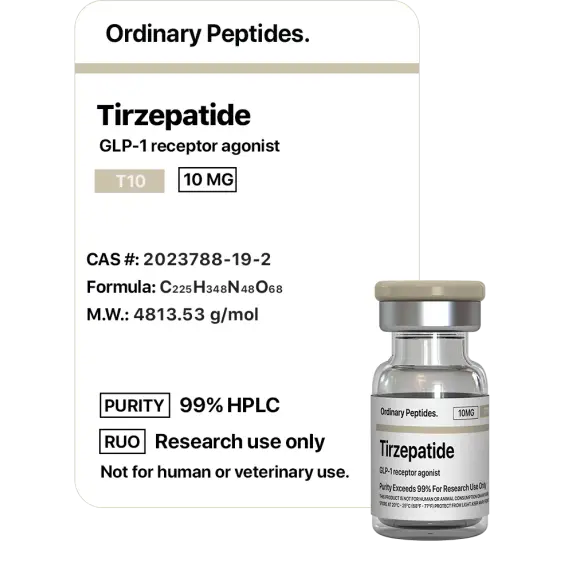
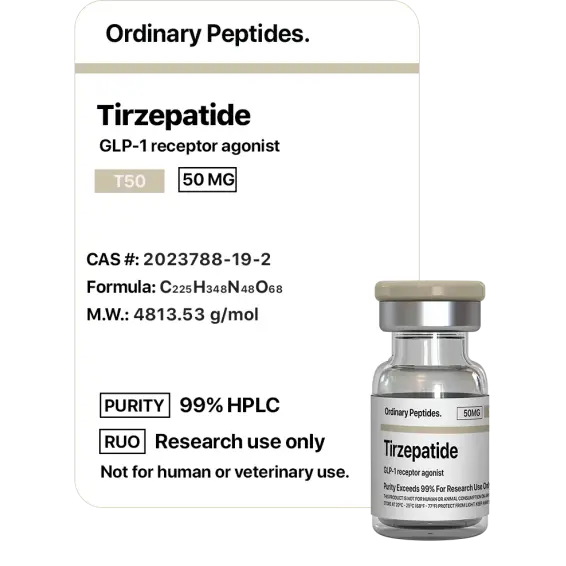
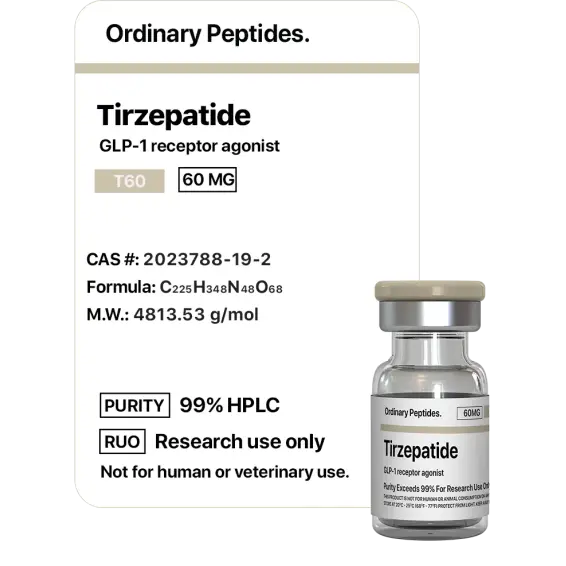
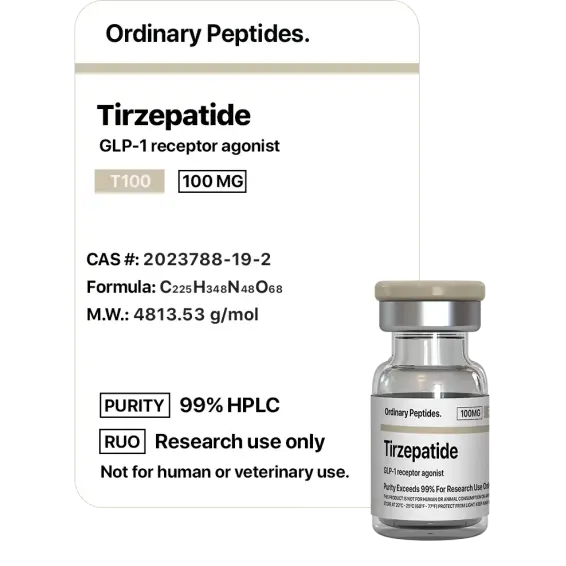
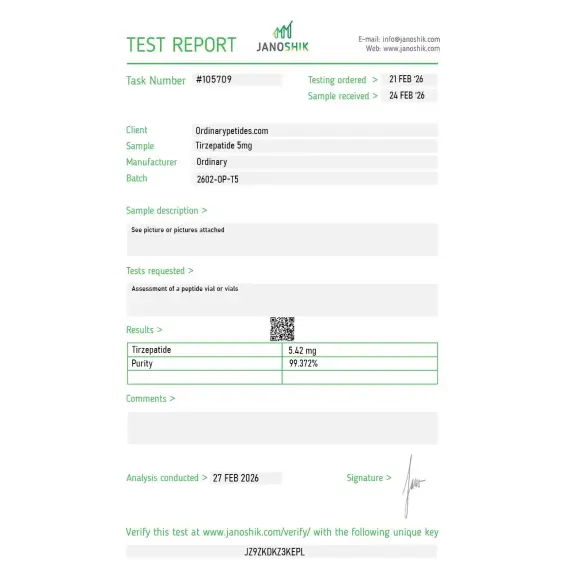
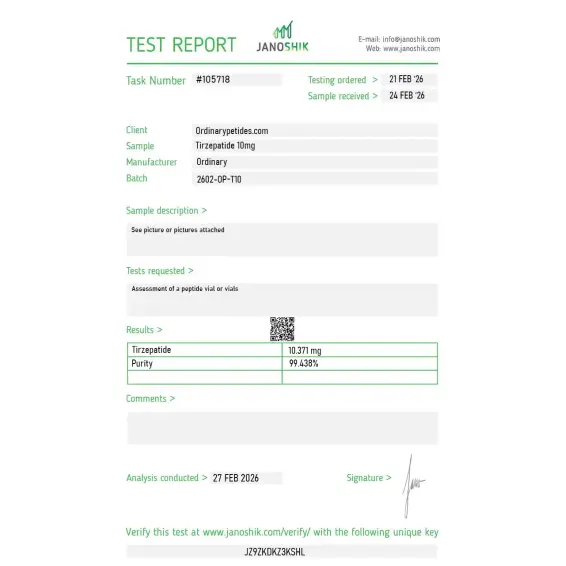
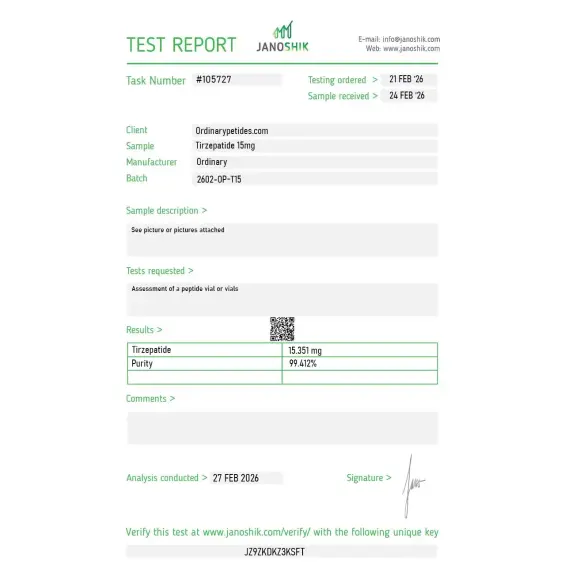
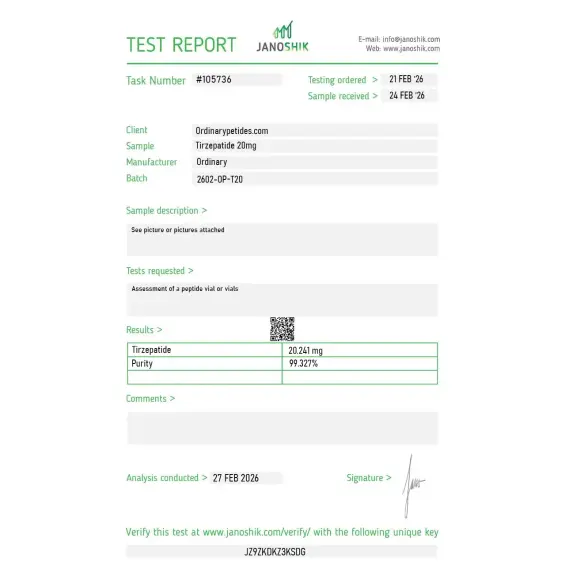
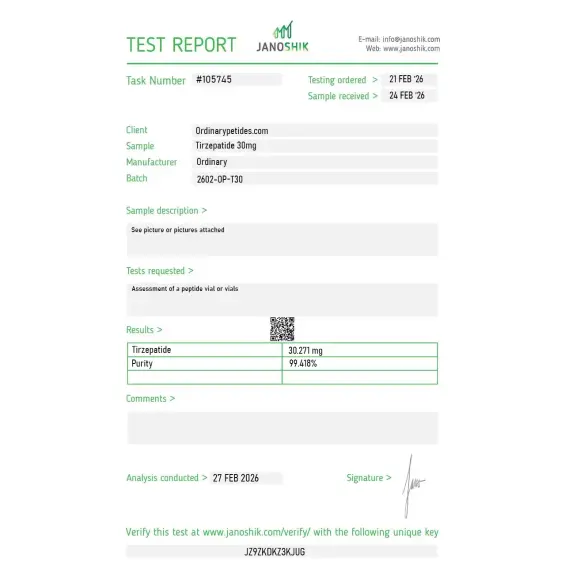
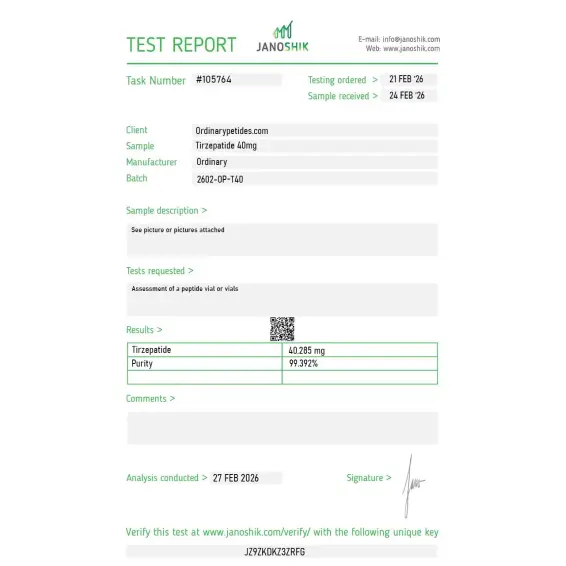
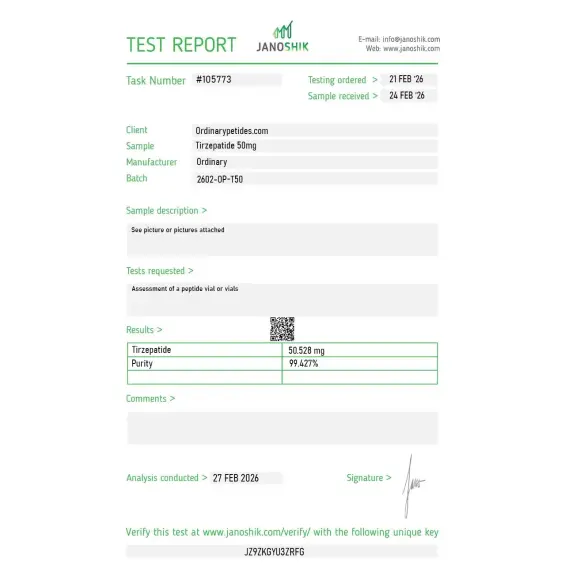
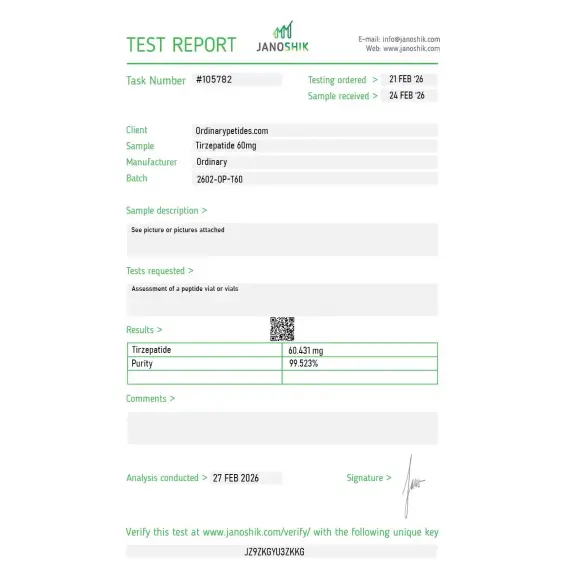
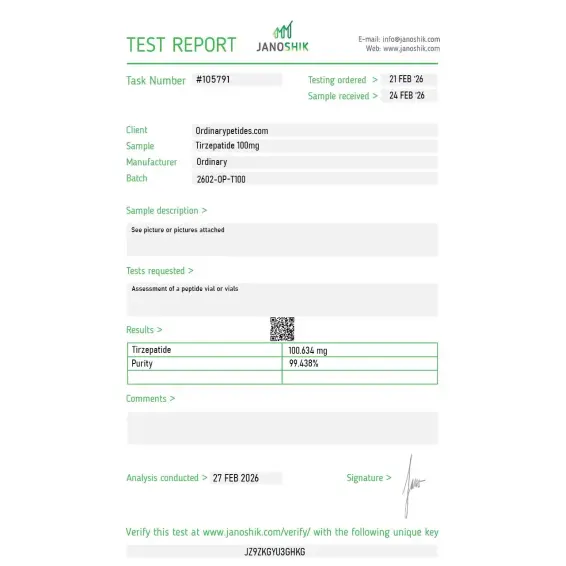
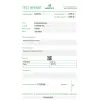
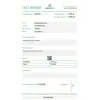
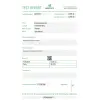
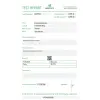
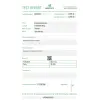
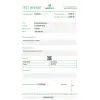
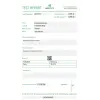
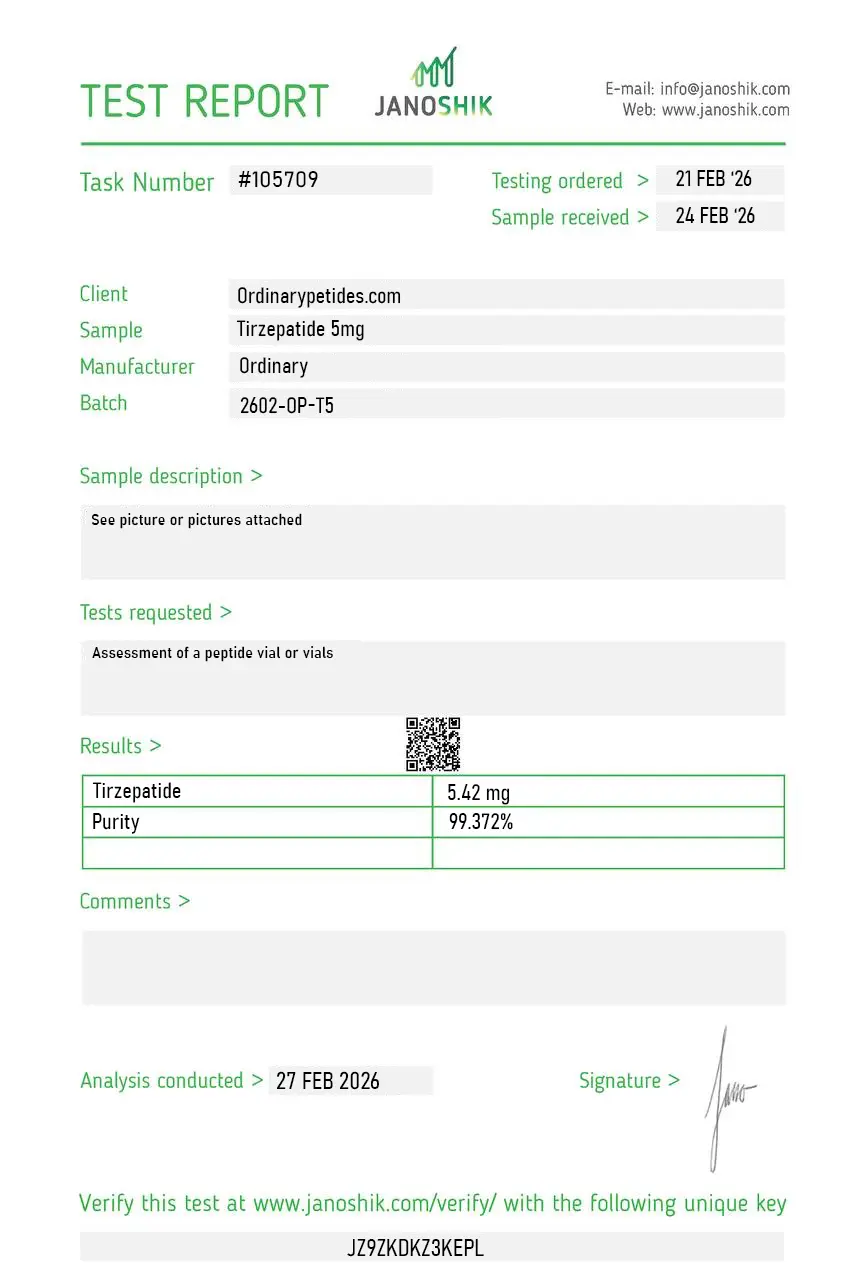
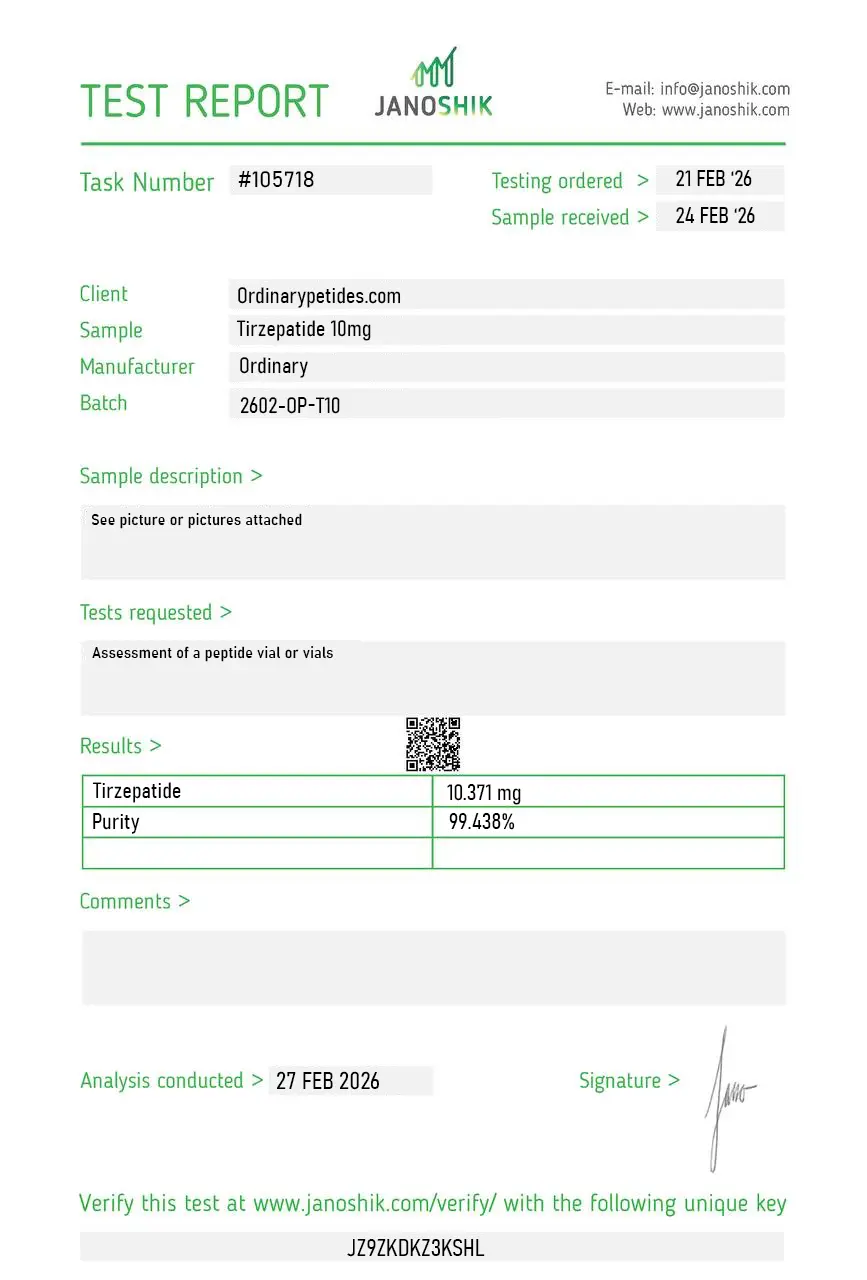
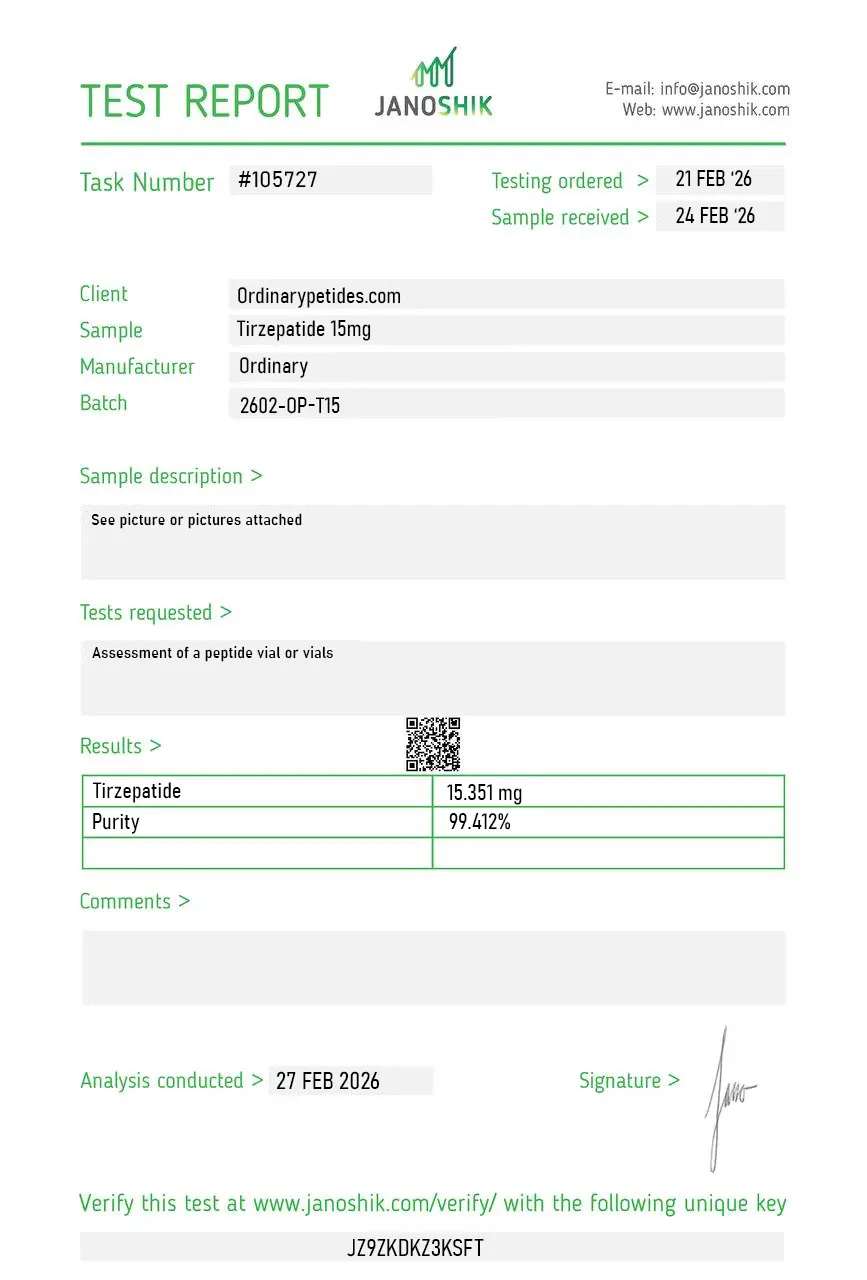
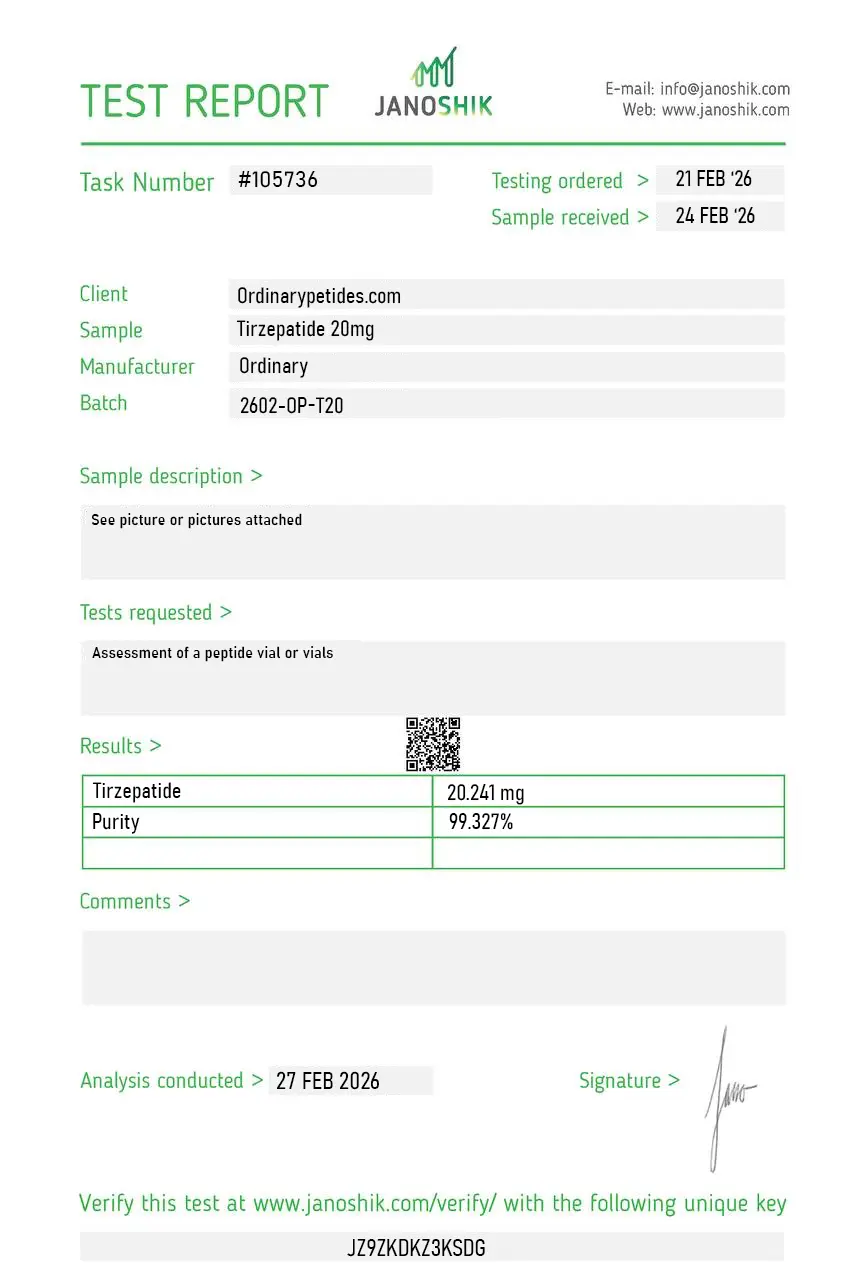
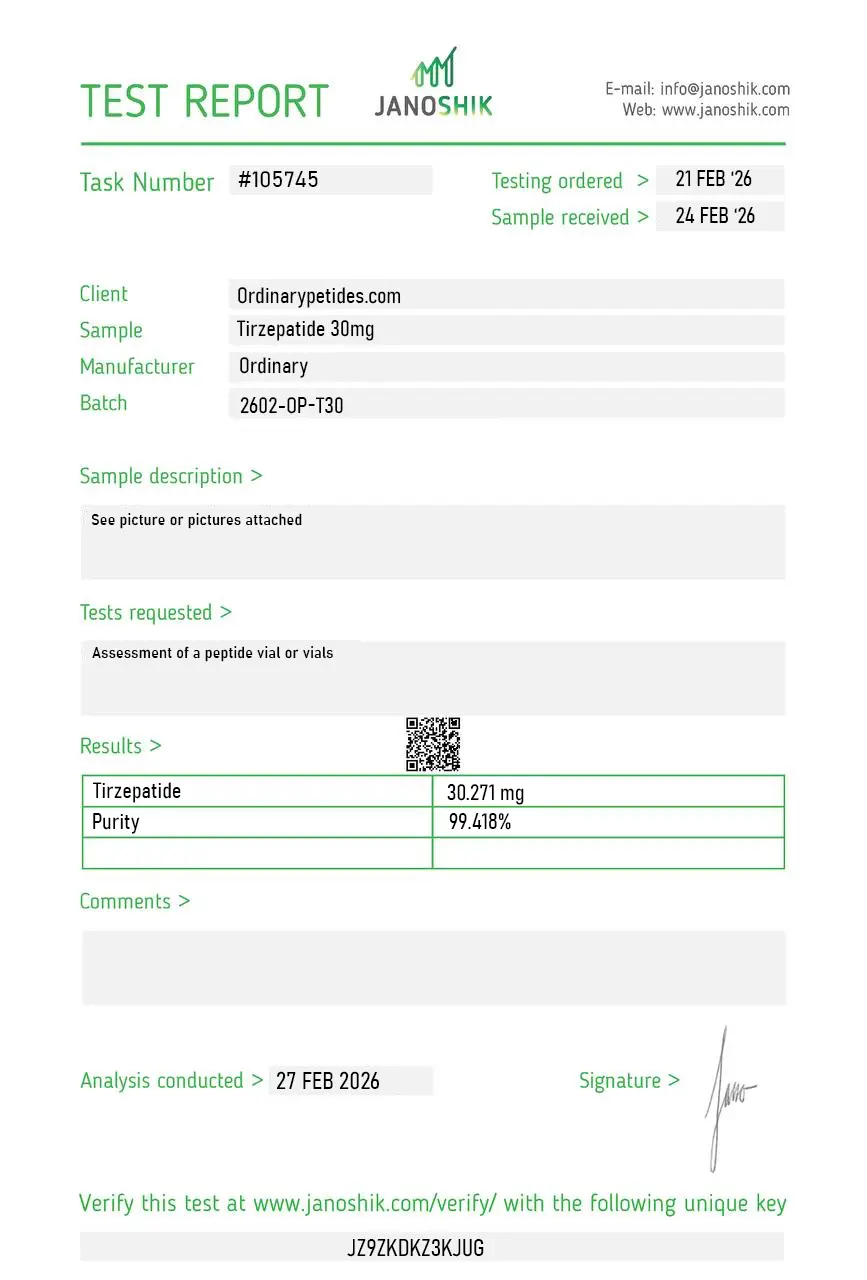
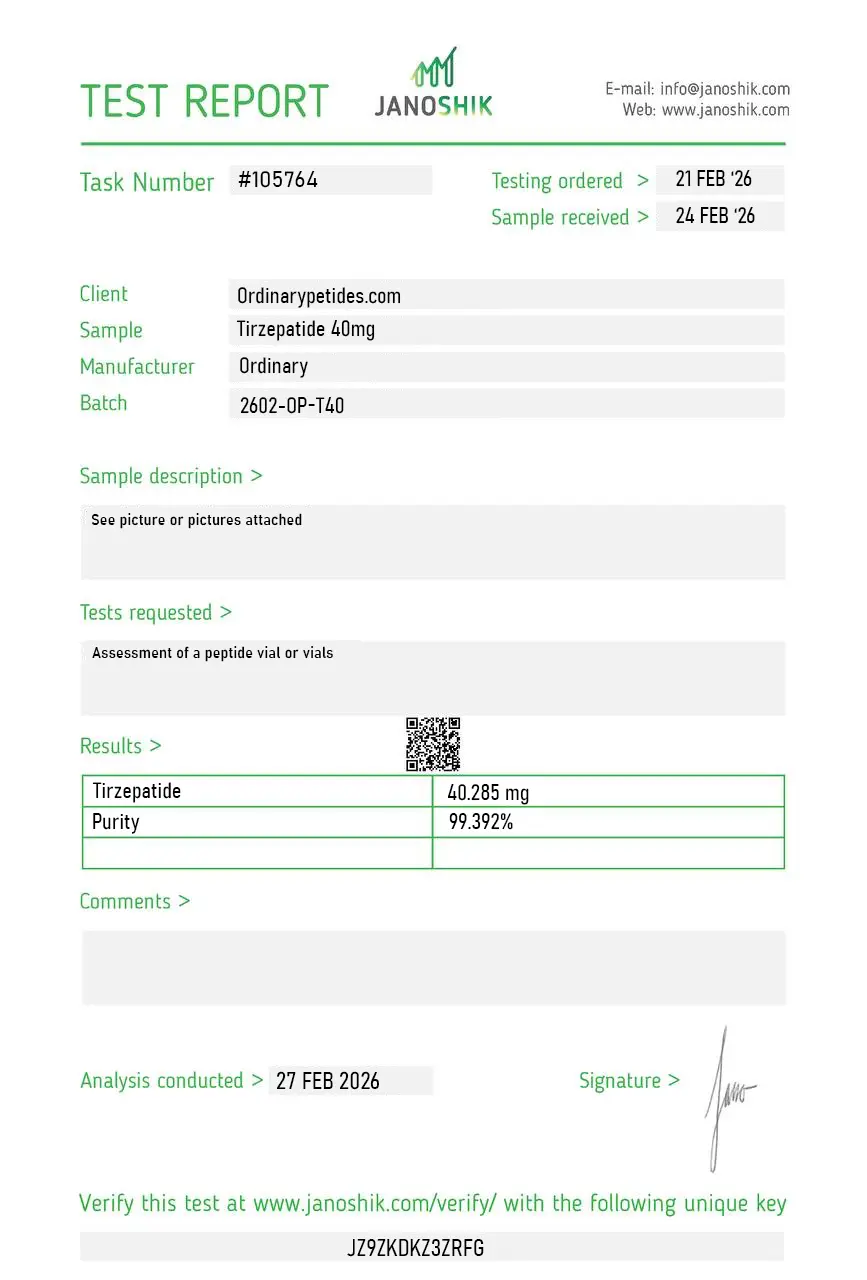
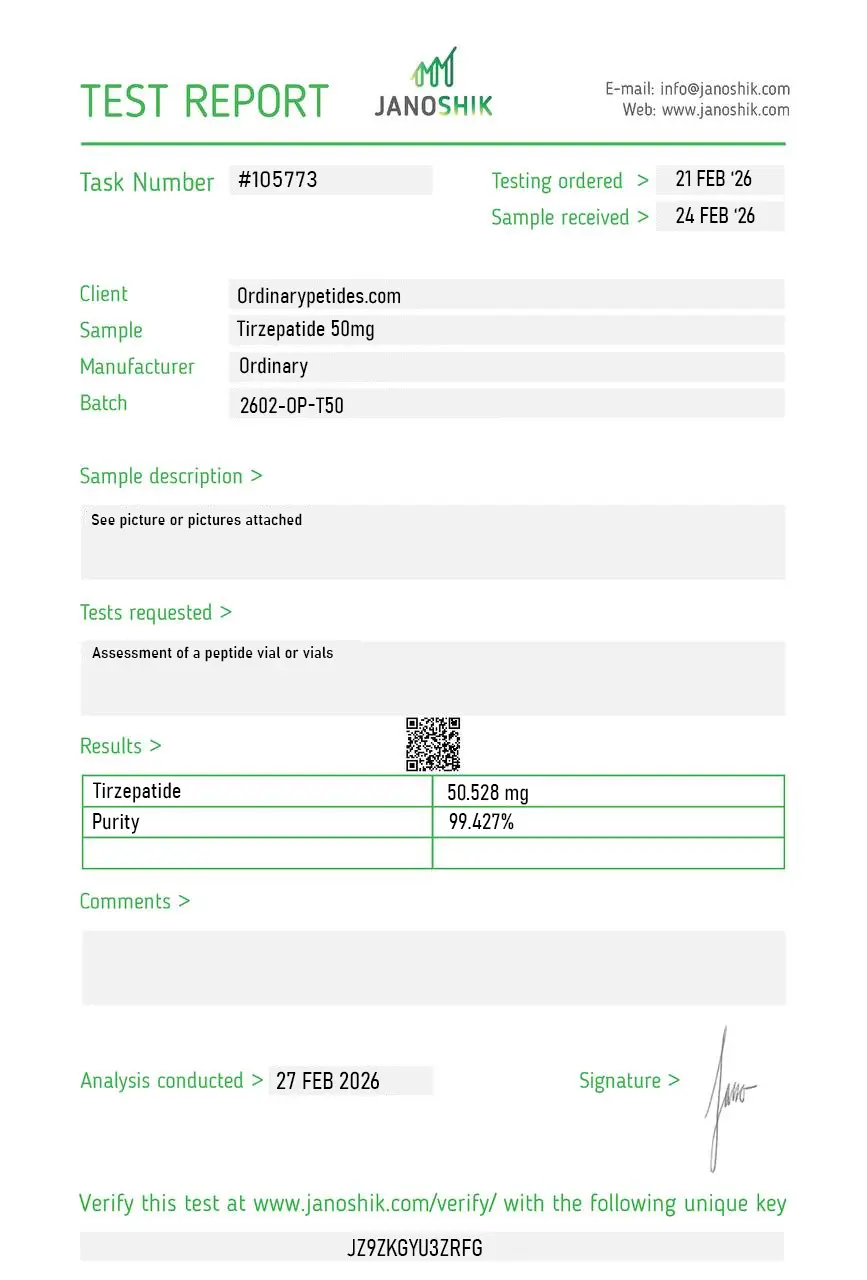
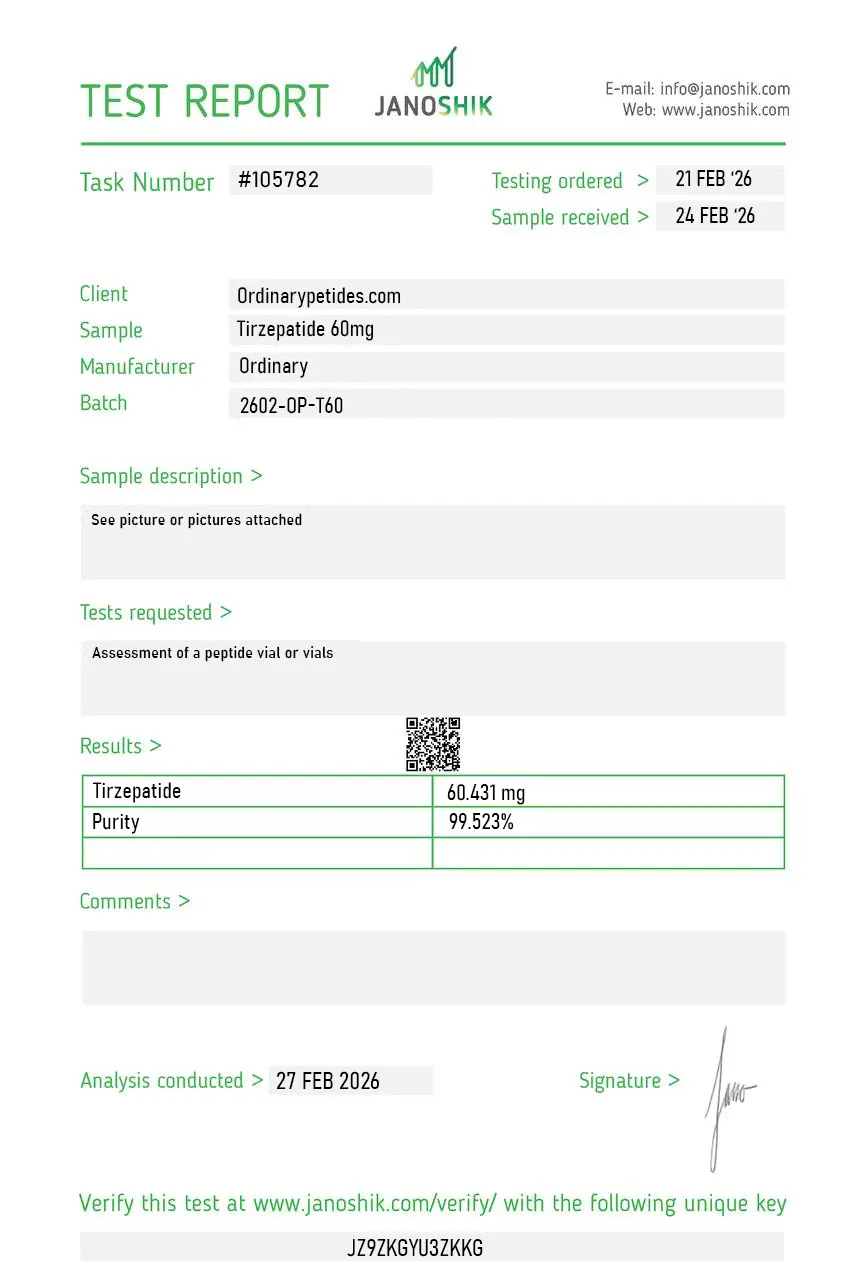
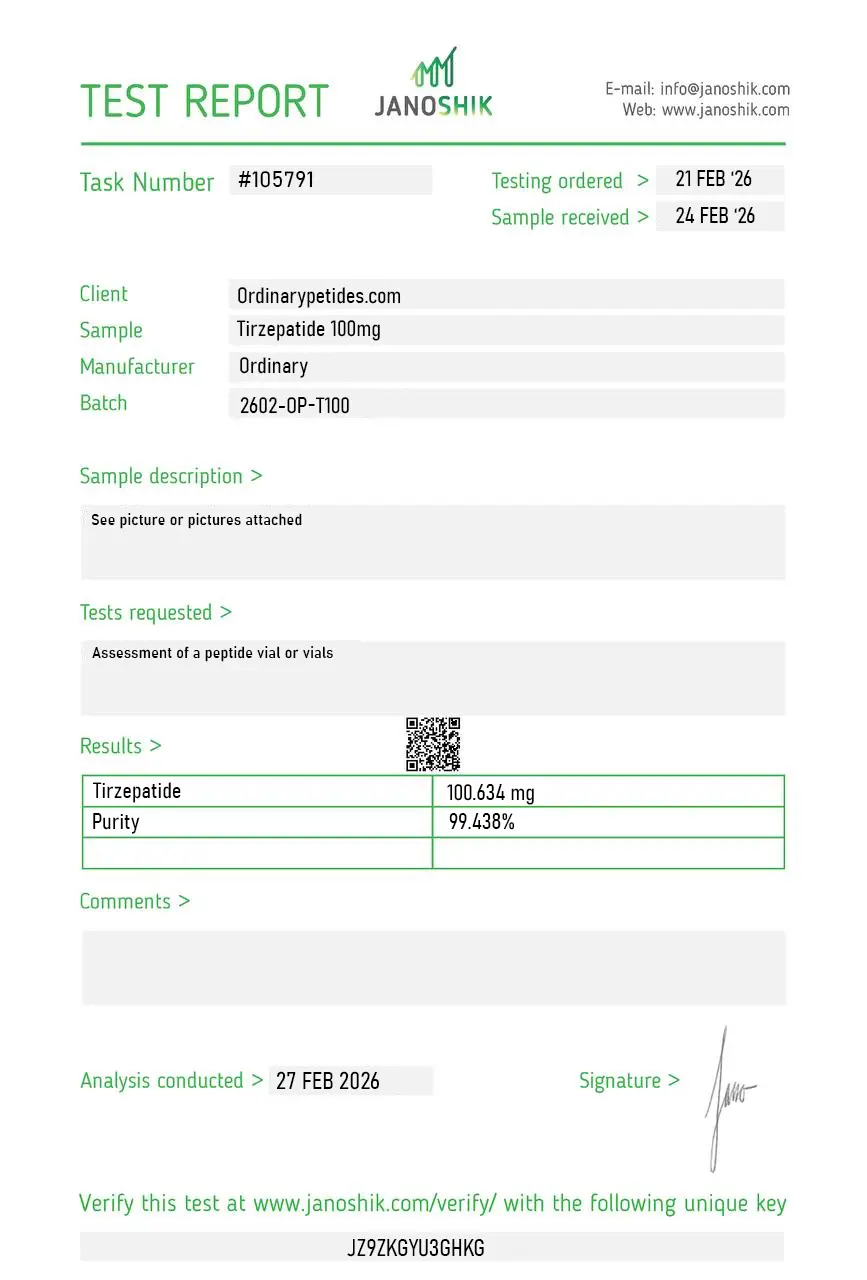
Independent test reports are available for Tirzepatide 5mg, 10mg, 15mg, 20mg, 30mg, 40mg, 50mg, 60mg, and 100mg. These reports provide batch-level documentation and analytical verification information for research reference.
-
2
-
1
Stored mine at -80 from day one out of caution, but a colleague tested -20 storage on the same lot and saw no activity loss across three months. The compound is more robust to standard freezer conditions than I initially treated it.
Curious whether anyone else has noticed that the vials from this supplier have slightly different cap colors batch-to-batch — not a quality concern, just an observation. Material itself has been consistent. The cap variation is presumably just sourcing of vial components.
The reconstitution buffer recommendation that came with the lot mentioned bacteriostatic water, which is what I used, but the labels would benefit from also noting that sterile water alone works for shorter-term experiments where the benzyl alcohol in bac water might interfere with sensitive cell assays. Small thing, but it caused me to overthink solvent choice before realizing it was negotiable.
Tirzepatide is a synthetic peptide and dual agonist for GLP-1 and GIP receptors. It is sold under the brand name Mounjaro for type 2 diabetes and Zepbound for weight loss and obstructive sleep apnea treatment.
GLP-1 receptor agonism — the mechanism shared with semaglutide and liraglutide — reduces appetite through central hypothalamic signaling, stimulates glucose-dependent insulin secretion, suppresses glucagon, and slows gastric emptying. GIP receptor agonism adds several complementary mechanisms. GIP amplifies insulin secretion synergistically with GLP-1 through a different intracellular signaling cascade, producing additive insulin responses at the pancreatic beta cell. In adipose tissue GIP activates lipolysis through a distinct mechanism from GLP-1. In the central nervous system GIP receptors in the hypothalamus and limbic system appear to amplify the appetite-suppressing and reward-modifying effects of GLP-1 — preclinical evidence suggests GIP receptor activation in the brain enhances the satiety signal produced by GLP-1 receptor activation rather than the two simply adding separately. This central synergy is considered a key reason tirzepatide produces meaningfully greater weight loss than semaglutide despite GIP being historically considered the weaker incretin of the two. Additionally GIP receptor agonism appears to reduce some of the nausea associated with pure GLP-1 agonism, partly explaining tirzepatide's somewhat better GI tolerability compared to semaglutide at equivalent weight-loss doses.
Tirzepatide is FDA-approved for type 2 diabetes management alongside diet and exercise, for long-term weight management in obese patients, and for moderate to severe obstructive sleep apnea in patients with obesity.
In the SURMOUNT-1 clinical trial, patients on the 15 mg dose lost an average of 22.5% of their body weight over 72 weeks. Head-to-head trials showed 47% greater weight loss compared to semaglutide, making it one of the most effective weight loss medications available.
Tirzepatide is given as a once-weekly subcutaneous injection using a prefilled autoinjector into the abdomen, thigh, or upper arm. Dosing follows a step-up titration protocol starting at 2.5 mg weekly for four weeks, then 5 mg, with increases in 2.5 mg increments every four weeks as tolerated up to the maximum dose of 15 mg. Mounjaro doses are 2.5 mg through 15 mg. Zepbound doses are 2.5 mg through 15 mg. The slow titration schedule specifically reduces gastrointestinal side effects during dose escalation. Injection pens are single-use prefilled devices. The drug is stable at room temperature for up to 21 days.
The most frequent side effects are nausea, vomiting, diarrhea, constipation, decreased appetite, and abdominal discomfort. More serious risks include pancreatitis, gallbladder problems, and kidney issues from dehydration.
It is not suitable for people already on GLP-1 agonists like semaglutide, those with a personal or family history of medullary thyroid carcinoma, multiple endocrine neoplasia syndrome type 2, type 1 diabetes, or a history of pancreatitis.
Beyond diabetes and obesity, tirzepatide has produced positive Phase 3 results in obstructive sleep apnea — the SURMOUNT-OSA trial showed 55 to 63% reductions in sleep apnea events, leading to FDA approval for this indication in June 2024 alongside Zepbound's weight management approval, making it the first pharmacotherapy approved specifically for moderate-to-severe obesity-related OSA. It is being studied in heart failure with preserved ejection fraction — the SUMMIT trial produced positive results with meaningful improvements in exercise capacity and symptoms. Metabolic dysfunction-associated steatohepatitis (MASH/NASH), chronic kidney disease, non-alcoholic fatty liver disease, and polycystic ovarian syndrome are among additional active research programs.