The Most Studied Compound in This Catalog
Immunology research peptides include the most clinically validated compound in this entire catalog: thymosin α-1, approved in over 35 countries for hepatitis B and C and immunodeficiencies, and recently studied as an adjunct to PD-1/PD-L1 checkpoint inhibitors. A May 2025 Frontiers Immunology meta-analysis pooled 706 severe-acute-pancreatitis patients across 5 RCTs and reported reduced infection rates with Tα1, attributed to TLR-9 and TLR-2-driven dendritic cell maturation. LL-37 sits alongside it, the only human cathelicidin, acting as both antimicrobial and pleiotropic immune modulator. The catalog below leans heavily on context-dependent compounds.
Immunology Research
Showing 1–27 of 27 results
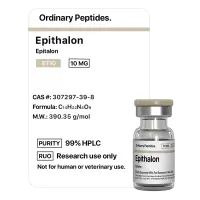
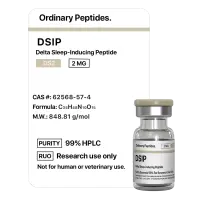
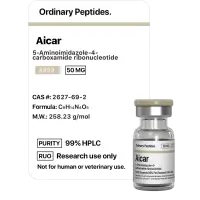
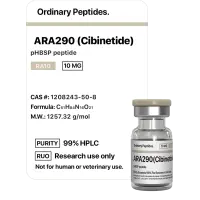
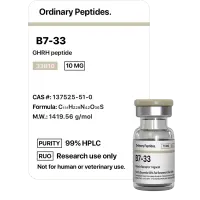
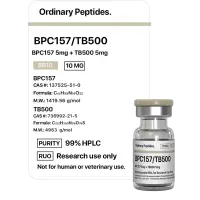
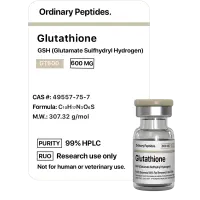
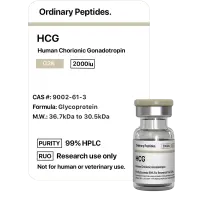
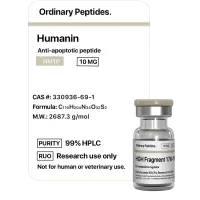
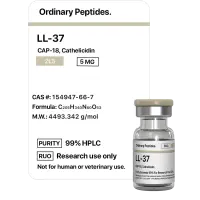
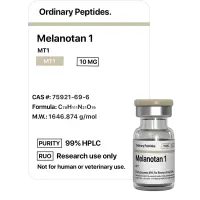
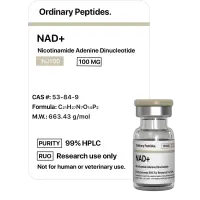
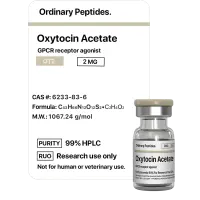
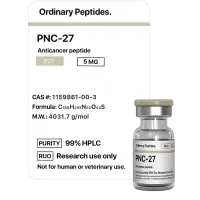
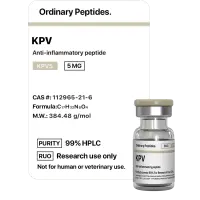
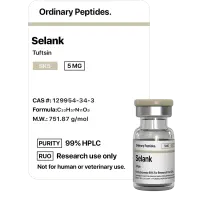
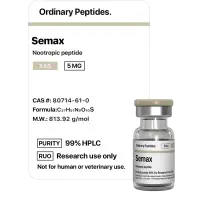
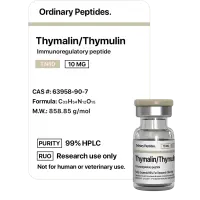
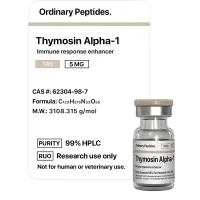
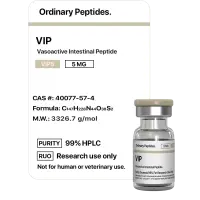
Immunomodulatory peptides occupy an unusual position in the broader research peptide field. Most compounds in adjacent categories sit on preclinical evidence alone — rodent models, cell culture, mechanism papers. Several compounds in immunology have crossed into actual clinical use, with regulatory approval in multiple jurisdictions and substantial real-world treatment data. Thymosin α-1 is the clearest example: marketed as thymalfasin (Zadaxin) and approved in 35+ countries for chronic hepatitis B, hepatitis C, and immune adjuvant indications, with three decades of post-approval clinical experience. This shifts the research framing for this catalog — much of the work involves compounds with established pharmacology being studied in new investigational contexts rather than compounds being characterized from scratch.
Thymosin α-1: Mechanism and Research Directions
Thymosin α-1 (Tα1) is a 28-amino acid peptide originally isolated from thymus tissue (Goldstein et al., 1972) and now produced synthetically. The peptide acts through both innate and adaptive immune pathways. The most-studied mechanism runs through Toll-like receptors — Tα1 binds TLR-9 and TLR-2 on dendritic cells, driving maturation and Th1-polarized cytokine production. Downstream effects include increased IFN-γ and IL-2 secretion, restoration of HLA-DR expression on monocytes (a marker of immune competence often depressed in critical illness), and modulation of regulatory T-cell function. The compound has also been shown to activate indoleamine 2,3-dioxygenase (IDO), a pathway implicated in immune tolerance — a feature that has driven interest in transplantation and chronic inflammation research contexts.
Current research directions extend the established applications. The 2025 Tian et al. meta-analysis in Frontiers in Immunology pooled five randomized controlled trials covering 706 patients with severe acute pancreatitis and reported signals toward improved lymphocyte subsets and inflammatory marker reductions, with the effect on infection rates remaining inconsistent across pooled studies. Separate research streams have examined Tα1 as an adjunct in checkpoint inhibitor combinations — recent work includes retrospective analyses in platinum-resistant ovarian cancer (Tα1 + PD-1/PD-L1 + chemotherapy, n=386), hepatocellular carcinoma (Tα1 + lenvatinib + sintilimab), and an active Phase 2 trial in resectable non-small cell lung cancer (NCT06607926, neoadjuvant Tα1 + immune checkpoint inhibitors). The mechanistic rationale across these programs is that Tα1's enhancement of dendritic cell function and T-cell priming may improve responsiveness to checkpoint blockade in immunologically "cold" tumors.
LL-37: Beyond the Antimicrobial Label
LL-37 is the only human cathelicidin — a 37-residue cationic peptide cleaved from the hCAP-18 precursor. Originally characterized for its broad-spectrum antimicrobial activity against bacteria, fungi, and enveloped viruses, current research focuses substantially on its immunomodulatory functions. LL-37 acts as a chemokine for neutrophils, monocytes, and T cells through formyl peptide receptor 2 (FPR2). It modulates Toll-like receptor signaling, dampening excessive TLR-4 responses to LPS while potentiating TLR-9 responses to nucleic acids — a context-dependent effect that has made LL-37 a centerpiece of dysregulated immunity research. In psoriasis, LL-37 expression itself is elevated and contributes to autoimmune signaling; in atopic dermatitis, LL-37 expression is reduced. The compound exemplifies how a single peptide can have opposing roles depending on tissue context, which is part of why immunology research treats it as a context-dependent modulator rather than a uniform agent.
The Context-Dependence Problem
Immunomodulators don't act uniformly. The same compound that supports immune competence in lymphopenia may amplify inflammation in active autoimmunity. The same peptide that enhances dendritic cell maturation in cancer settings may worsen graft-versus-host responses in transplantation. This is the central methodological challenge in immunology peptide research — effect direction depends on baseline immune state, target tissue, and concurrent signaling. Rigorous preclinical work in this field specifies immune context explicitly: which T-cell subsets, which inflammatory state, which receptor expression profile. Generic claims about "immune support" or "immune enhancement" don't map onto this biological reality.
Research Models Commonly Used
Standard in vivo models include sepsis models (cecal ligation and puncture in mice for polymicrobial sepsis), tumor immunology models (B16 melanoma, MC38 colorectal, syngeneic tumor lines for checkpoint inhibitor studies), psoriasis models (imiquimod-induced skin inflammation), and graft-versus-host models (allogeneic bone marrow transplantation in mismatched mouse strains). In vitro work clusters around primary human PBMCs for general immune function, monocyte-derived dendritic cells (moDCs) for maturation studies, and T-cell differentiation assays for Th1/Th2/Th17/Treg polarization. Cytokine measurement (ELISA, multiplex bead arrays, flow cytometric intracellular staining) is the dominant readout. Flow cytometry for immune cell phenotyping is essentially universal across the field.
Frequently Asked Questions
What is thymosin alpha-1 used for in research?
Thymosin α-1 is studied across multiple research contexts including viral immunology (the original hepatitis B and C indications), sepsis and critical illness immunology, cancer immunology (particularly as a potential adjunct to checkpoint inhibitors), and immune dysfunction in aging. The mechanism rationale across these areas involves dendritic cell maturation and T-cell priming through TLR-9 and TLR-2 pathways. The compound is approved as thymalfasin in 35+ countries for specific clinical indications and is studied in research contexts for additional applications.
How does LL-37 differ in psoriasis versus atopic dermatitis research?
LL-37 expression is elevated in psoriasis lesions and contributes to autoimmune amplification — LL-37 binds self-DNA released from damaged keratinocytes and forms complexes that activate plasmacytoid dendritic cells through TLR-9, driving interferon production. In atopic dermatitis, LL-37 expression is reduced, contributing to increased susceptibility to skin infections. The same peptide thus has opposite roles depending on disease context — too much in psoriasis, too little in AD. This is a textbook example of context-dependent immunomodulation and is why LL-37 research splits along disease-specific lines.
What is checkpoint inhibitor research?
Immune checkpoint inhibitors are antibodies that block inhibitory receptors on T cells (PD-1, CTLA-4) or their ligands (PD-L1), allowing T cells to attack tumors that would otherwise evade immune surveillance. Approved checkpoint inhibitors include pembrolizumab, nivolumab, atezolizumab, ipilimumab, and others. The 20–40% response rate across many cancer types has driven interest in combination strategies that may extend benefit — including pairing checkpoint inhibitors with immune-priming agents. Thymosin α-1 is one such agent under research investigation, with the rationale that enhanced baseline T-cell function may improve response rates in "cold" tumors.
What does "context-dependent immunomodulation" mean?
Immunomodulatory compounds don't have fixed effects — they produce different outcomes depending on baseline immune state. The same molecule that increases lymphocyte numbers in lymphopenic patients may have minimal effect in immune-competent ones; the same compound that supports anti-tumor immunity in cancer may worsen autoimmune disease. Research design in immunology peptide work therefore specifies the immune context explicitly. This concept is central to interpreting why effect sizes and directions vary across studies of the same compound.
What is HLA-DR and why is it relevant to Tα1 research?
HLA-DR is a major histocompatibility complex class II molecule expressed on professional antigen-presenting cells (dendritic cells, monocytes, B cells). It presents extracellular antigens to CD4+ T helper cells. In sepsis and critical illness, monocyte HLA-DR expression drops dramatically — sometimes to less than 30% of normal — and low HLA-DR predicts mortality. Thymosin α-1 has been studied for its ability to restore monocyte HLA-DR expression in critically ill patients, which is mechanistically related to its broader effects on immune competence in immunosuppressed states.
Why does thymosin alpha-1 have so much clinical data when most peptides don't?
Thymosin α-1 was developed through standard pharmaceutical channels (originally SciClone Pharmaceuticals, marketed as Zadaxin) and received regulatory approval in multiple jurisdictions starting in 1999 — primarily in countries outside the United States. This drove standard post-approval clinical use and accumulation of real-world data over three decades. The compound was also extensively studied during the COVID-19 pandemic in China and Italy as an immune support agent in critical illness. The result is a clinical evidence base substantially larger than most research peptides, even though Tα1 is not FDA-approved in the US.
Reference Points for Further Reading
For thymosin α-1 mechanism and clinical applications, the Romani and Puccetti group reviews (multiple, Annals of the New York Academy of Sciences) cover the immunological pharmacology in depth. The 2024 comprehensive review by Dinetz et al. assesses Tα1 safety and efficacy across human clinical trials. The 2025 Tian et al. meta-analysis in Frontiers in Immunology (DOI: 10.3389/fimmu.2025.1571456) covers severe acute pancreatitis applications. For LL-37 biology, the Gallo group at UCSD has published the foundational work on cathelicidin function in skin and innate immunity, and the Hancock group at UBC covers the broader host defense peptide field. For checkpoint inhibitor combination strategies, the relevant primary literature is dispersed across oncology journals — the 2024 Topalian and Drake reviews in Cancer Cell provide standard entry points.
All compounds in this catalog are intended for in vitro and preclinical research use only. None are approved by the FDA for therapeutic use in humans, though thymosin α-1 holds regulatory approval as thymalfasin in other jurisdictions for specified clinical indications. Clinical trial data and regulatory information referenced on this page describes research conducted with approved pharmaceutical products and is provided as scientific context, not as claims for the research compounds offered here. Compounds affecting immune function require careful research protocols, as immune modulation effects are context-dependent and can produce variable outcomes depending on baseline immune state.