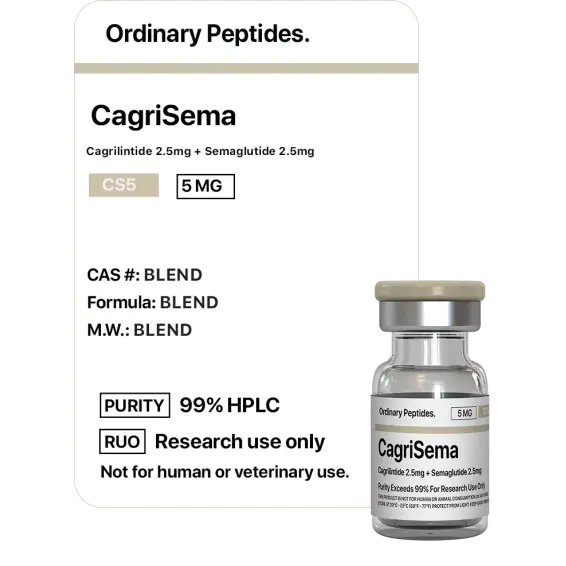
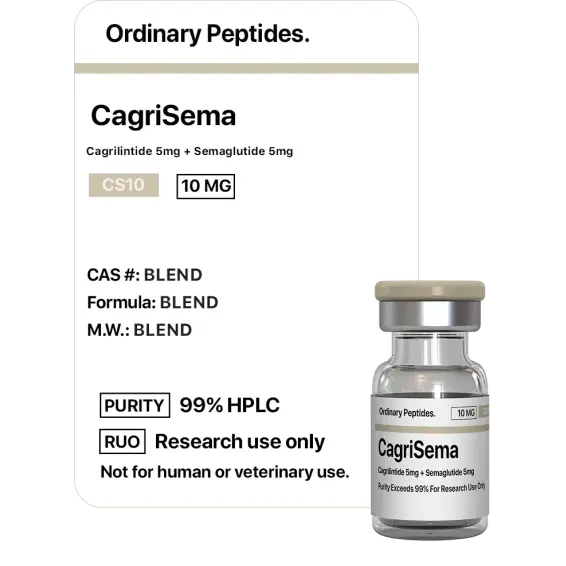
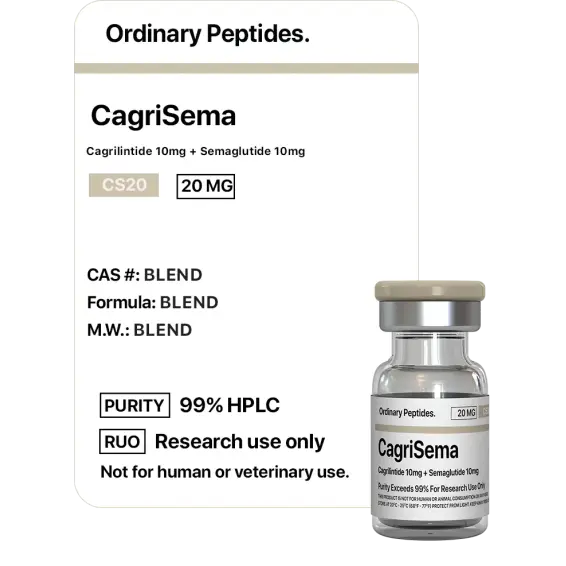
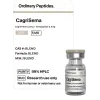
CagriSema
For in vitro testing and laboratory use only. Not for human or animal consumption. Bodily introduction is illegal. Handle only by licensed professionals. Not a drug, food, or cosmetic. Educational use only.
CagriSema: A Serious Next-Generation Obesity Candidate, Not Just Another "Peptide from the Internet"
CagriSema is not another "internet peptide," but a serious combination of semaglutide and cagrilintide, built around two well-studied satiety signals — GLP-1 and amylin. That alone already sets it apart from the gray-market peptide culture: this is not a forum-born myth, but a real late-stage pharmaceutical program developed around a biologically coherent strategy.
In clinical research, this dual approach has drawn particular attention because it does not rely on just one pathway of appetite control. Instead, it combines two complementary physiological systems, and that is exactly why the data have looked so strong. In phase 3 REDEFINE 1, adults with obesity or overweight showed a markedly greater reduction in body weight on CagriSema than on placebo — one of the clearest reasons the combination is now discussed as one of the most serious next-wave obesity candidates in development.
What makes CagriSema especially interesting is that the story is not built on hype alone. In research terms, its appeal comes from the rare case where biological logic and clinical data actually move in the same direction. The mechanism makes sense, the development program is large, and the results are strong enough that the drug deserves real attention rather than dismissive "just another peptide" language.
An Honest Detail Worth Noting
At the same time, the honest detail still matters: as of March 2026, CagriSema has not yet been approved by the FDA or EMA. That means it should be discussed as a highly promising late-stage drug candidate, not as an already established treatment standard.
Practical Takeaway
If what interests you is not loud marketing but genuinely strong next-generation candidates with a serious clinical program, CagriSema clearly deserves a closer look.
CagriSema: A Scientific Review of the First GLP-1 / Amylin Combination Therapy
Based on peer-reviewed literature and official trial data — see References. Last updated: April 2026.
The Short Version
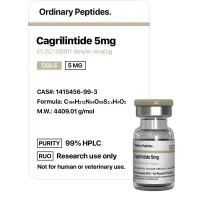
CagriSema is a fixed-dose, once-weekly subcutaneous combination of two distinct anti-obesity agents: cagrilintide (2.4 mg), a long-acting amylin analogue that activates the innate satiety hormone pathway, and semaglutide (2.4 mg), the GLP-1 receptor agonist at the core of Wegovy. Developed by Novo Nordisk, it is the first pharmaceutical candidate to combine GLP-1 receptor agonism with amylin receptor agonism in a single injectable product.
In the pivotal REDEFINE 1 Phase 3 trial — 3,417 participants, 68 weeks, published in the New England Journal of Medicine in June 2025 — CagriSema produced a mean body weight reduction of 20.4% versus 3.0% with placebo.[1] When accounting only for participants who adhered to full treatment, the figure rises to 22.7%. Sixty percent of participants achieved ≥20% weight loss, and 23% lost 30% or more of their body weight. These are among the most impressive weight-loss numbers ever documented for a pharmaceutical agent outside of bariatric surgery.
There are important caveats: the combination did not achieve non-inferiority versus tirzepatide 15 mg in a head-to-head trial (REDEFINE 4), it carries a meaningful gastrointestinal side effect burden, cardiovascular outcome data is not yet mature, and NDA approval is pending as of April 2026.
| At a glance | |
|---|---|
| Full name | CagriSema (cagrilintide 2.4 mg + semaglutide 2.4 mg) |
| Developer | Novo Nordisk |
| Mechanism | Dual amylin/calcitonin receptor agonism (cagrilintide) + GLP-1 receptor agonism (semaglutide) |
| Administration | Once-weekly subcutaneous injection |
| Pivotal trial (non-diabetic) | REDEFINE 1 — NEJM June 2025; N=3,417; 68 weeks |
| Pivotal trial (T2DM) | REDEFINE 2 — NEJM August 2025; N=1,206; 68 weeks |
| Mean weight loss, REDEFINE 1 | −20.4% (treatment-policy); −22.7% (trial-product) |
| Mean weight loss, REDEFINE 2 | −13.7% (treatment-policy); −15.7% (trial-product) |
| FDA status | NDA filed December 2025; decision expected late 2026 |
| Head-to-head vs tirzepatide | ⚠️ Did not meet non-inferiority (REDEFINE 4; February 2026) |
Why a Combination? The Biological Rationale
GLP-1 (glucagon-like peptide-1) is released by gut L-cells in response to food and acts on receptors in the hypothalamus and brainstem to reduce appetite, slow gastric emptying, and increase insulin secretion. Semaglutide is a highly potent, long-acting synthetic GLP-1 analogue — already one of the most effective anti-obesity agents ever developed.
Amylin is co-secreted with insulin from pancreatic beta-cells. It acts on different brain regions — prominently the area postrema, dorsal vagal complex, and lateral parabrachial nucleus — to signal satiety, slow gastric emptying, and suppress post-meal glucagon. Crucially, amylin acts on the hedonic (pleasure-driven) as well as the homeostatic (biological hunger) dimensions of appetite, targeting food reward circuitry in ways that GLP-1 agonism alone addresses less directly.[6]
This is not simply two drugs that both reduce appetite being added together. The two mechanisms engage overlapping but distinct circuitry — which is why the combination produces more weight loss than either component alone, as demonstrated directly within REDEFINE 1 (which included monotherapy arms for both compounds alongside the combination and placebo).
The REDEFINE Clinical Programme: Overview
| Trial | Design | N | Duration | Focus | Status |
|---|---|---|---|---|---|
| REDEFINE 1 | DB, RCT, placebo and active-controlled | 3,417 | 68 weeks | Obesity/overweight, no T2DM | ✅ Published NEJM June 2025 |
| REDEFINE 2 | DB, RCT, placebo-controlled | 1,206 | 68 weeks | Obesity/overweight + T2DM | ✅ Published NEJM August 2025 |
| REDEFINE 3 | Event-driven CV outcomes | 7,000 | Ongoing | Established CVD ± T2DM | Ongoing |
| REDEFINE 4 | Open-label, head-to-head | 809 | 84 weeks | vs. tirzepatide 15 mg | Results announced February 2026 |
| REDEFINE 8 | DB, RCT, body composition | 400 | 104 weeks | Fat vs. lean mass; maintenance | Ongoing |
| REDEFINE 9 | DB, RCT, dose-finding | 300 | 68 weeks | Lower doses (1.0 and 1.7 mg) | Ongoing |
| REDEFINE 11 | DB, RCT, longer duration | 600 | 80 weeks + extension | Maximum weight loss potential | Ongoing |
DB = double-blind; RCT = randomised controlled trial; T2DM = type 2 diabetes mellitus; CVD = cardiovascular disease
REDEFINE 1: The Pivotal Trial (Non-Diabetic Population)
Study design: Phase 3a, 68-week, double-blind, placebo-controlled and active-controlled trial. Adults without diabetes, BMI ≥30 or BMI ≥27 with at least one obesity-related complication. Mean baseline weight 106.9 kg; mean BMI 37.9 kg/m².[1] Randomisation (21:3:3:7): CagriSema 2.4/2.4 mg (n=2,108); Semaglutide 2.4 mg alone (n=302); Cagrilintide 2.4 mg alone (n=302); Placebo (n=705). All groups received standardised lifestyle intervention. Only 57.3% of CagriSema participants reached the highest dose by week 68. Both primary endpoints met with P<0.001.
Efficacy Results — REDEFINE 1
| Outcome | CagriSema | Semaglutide | Cagrilintide | Placebo |
|---|---|---|---|---|
| Mean weight loss (treatment-policy)* | −20.4% | −14.9% | −11.5% | −3.0% |
| Mean weight loss (trial-product)** | −22.7% | −16.1% | −11.8% | −2.3% |
| ≥20% weight loss | 60% | — | — | — |
| ≥25% weight loss | 34.7% (40.4% trial-product) | 16.2% | 6.0% | 0.9% |
| ≥30% weight loss | 19.3% (23.1% trial-product) | — | — | — |
| Reached non-obesity (BMI <30) | 50.7% | — | — | 10.2% |
| Prediabetes normalised | 88% | — | — | — |
* Treatment-policy estimand: ITT-consistent; captures effect regardless of treatment adherence. ** Trial-product estimand: effect if all participants took treatment as intended.
Statistically significant improvements versus placebo were also documented in systolic blood pressure, waist circumference, lipid profiles, and glycaemic markers across the trial.
REDEFINE 2: The Pivotal Trial (Type 2 Diabetes Population)
Study design: Phase 3a, 68-week, double-blind, placebo-controlled trial in 12 countries. Adults with T2DM (HbA1c 7–10%), BMI ≥27. Mean baseline weight 102.2 kg; mean HbA1c 8.0%. Randomisation (3:1): CagriSema 2.4/2.4 mg (n=904) vs. placebo (n=302), plus lifestyle intervention.[2]
Efficacy Results — REDEFINE 2
| Outcome | CagriSema | Placebo |
|---|---|---|
| Mean weight loss (treatment-policy) | −13.7% | −3.4% |
| Mean weight loss (trial-product) | −15.7% | −3.1% |
| ≥5% weight loss | 83.6% | 30.8% |
| ≥10% weight loss | 65.6% | 10.3% |
| ≥15% weight loss | 43.8% | 2.4% |
| ≥20% weight loss | 22.9% | 0.5% |
| HbA1c ≤6.5% | 73.5% | 15.9% |
REDEFINE 4: The Tirzepatide Head-to-Head
On 23 February 2026, Novo Nordisk announced results from REDEFINE 4 — an 84-week, open-label, head-to-head trial comparing CagriSema 2.4/2.4 mg against tirzepatide 15 mg in 809 adults with obesity.[3] Mean weight loss was 20.2% with CagriSema versus 23.6% with tirzepatide at 84 weeks. ⚠️ The difference did not meet the predefined criteria for non-inferiority.
What REDEFINE 4 means: CagriSema produced substantial weight loss (20.2–23.0%) — clinically meaningful in its own right. Tirzepatide 15 mg produced 23.6–25.5% — meaningfully more. The non-inferiority margin was not met, which is a real limitation for CagriSema’s positioning against the current best-in-class approved agent.
What REDEFINE 4 does not mean: It does not make CagriSema ineffective — 20%+ weight loss remains among the highest pharmacological results ever documented. The open-label design introduces potential bias, particularly for tolerability and dropout decisions. Only 57% of CagriSema participants reached maximum dose, which may have influenced outcomes. Higher CagriSema doses are now under investigation in REDEFINE 11.
Safety Profile: Comprehensive Data from ~4,600 Participants
CagriSema’s safety profile is well-characterised across two large Phase 3 trials. Gastrointestinal effects predominate, are dose-dependent, mostly transient, and rarely severe enough to cause discontinuation.
Gastrointestinal adverse events — REDEFINE 1
⚠️ Adverse events were mainly gastrointestinal (79.6% in the CagriSema group vs. 39.9% with placebo) including nausea, constipation, and vomiting — mostly transient and mild to moderate in severity.[1]
| Adverse event | CagriSema | Placebo |
|---|---|---|
| Any GI event | 79.6% | 39.9% |
| Nausea | 55.0% | 12.6% |
| Constipation | 30.7% | 11.6% |
| Vomiting | 26.1% | 4.1% |
| Discontinuation due to AEs | 5.9% | 3.7% |
In REDEFINE 2 (T2DM), discontinuation due to adverse events was slightly higher (8.4% CagriSema vs. 3.0% placebo) — still low by absolute standards.
Serious adverse events
Serious adverse events were few and not dependent on cagrilintide dose. No unexpected safety signals emerged from either pivotal trial that were not consistent with the known pharmacology of the component agents. The severity of gastrointestinal disorders observed for the combination was comparable to that of GLP-1 in monotherapy.[2]
Lean mass and body composition
⚠️ The prespecified body composition substudy found −14.4% lean soft-tissue mass loss alongside −35.7% fat mass loss. The fat:lean ratio of weight lost is more informative than the absolute lean mass number. Whether this represents a clinically concerning degree of muscle loss — particularly in older adults with sarcopenia risk — is an active research question being studied in REDEFINE 8.
Bone and calcitonin receptor safety
Cagrilintide’s calcitonin receptor agonism raises a theoretical concern about bone metabolism. No bone safety signal has emerged from Phase 3 data to date, but longer follow-up and dedicated DEXA assessments in ongoing trials will be informative.
Cardiovascular outcomes
REDEFINE 3 is an event-driven cardiovascular outcomes trial enrolling 7,000 adults with established cardiovascular disease. Whether CagriSema reduces MACE — as semaglutide does in SELECT — is not yet established. The hypothesis is plausible given semaglutide’s established cardiovascular benefit and cagrilintide’s consistent improvements in cardiometabolic risk markers.
The Dose-Escalation Architecture
| Phase | Dose (cagrilintide / semaglutide) | Duration |
|---|---|---|
| Starting dose | 0.25 mg / 0.25 mg | 4 weeks |
| Step 2 | 0.5 mg / 0.5 mg | 4 weeks |
| Step 3 | 1.0 mg / 1.0 mg | 4 weeks |
| Step 4 | 1.7 mg / 1.7 mg | 4 weeks |
| Maintenance | 2.4 mg / 2.4 mg | Ongoing |
Comparison with Other Anti-Obesity Agents
| Agent | Mechanism | Mean weight loss | Administration | Status |
|---|---|---|---|---|
| CagriSema 2.4/2.4 mg | DACRA + GLP-1 RA | ~20.4–22.7% | Weekly SC | NDA filed (late 2026 decision) |
| Tirzepatide 15 mg (Zepbound) | GLP-1 + GIP dual agonist | ~21–23.6% | Weekly SC | ✅ FDA-approved (2023) |
| Semaglutide 2.4 mg (Wegovy) | GLP-1 RA | ~15% | Weekly SC | ✅ FDA-approved (2021) |
| Liraglutide 3.0 mg (Saxenda) | GLP-1 RA | ~8% | Daily SC | ✅ FDA-approved (2014) |
| Orlistat | Lipase inhibitor | ~3–5% | Oral (3×daily) | ✅ FDA-approved |
| Bariatric surgery (RYGB) | Anatomical + hormonal | ~25–35% | Surgical | ✅ Standard of care |
What Is Confirmed and What Remains Under Investigation
| ✅ Confirmed | Under investigation or not yet established |
|---|---|
| ~20.4% mean weight loss at 68 weeks (non-T2DM) [1] | Long-term cardiovascular outcomes (REDEFINE 3) |
| ~13.7% mean weight loss at 68 weeks (T2DM) [2] | Whether lean mass loss is clinically significant long-term |
| 73.5% of T2DM patients reaching HbA1c ≤6.5% [2] | Head-to-head vs. tirzepatide at higher doses or longer duration |
| Significant improvements in BP, lipids, waist [1] | Bone safety with chronic calcitonin receptor agonism |
| GI AE profile consistent with GLP-1 class | Weight loss maintenance after discontinuation |
| CagriSema superiority vs. either monotherapy confirmed [1] | Optimal patient selection (who benefits most) |
| NDA filed December 2025 [4] | Long-term body composition outcomes (REDEFINE 8) |
| ❌ Did not meet non-inferiority vs. tirzepatide 15 mg [3] | Outcomes with higher-dose combinations |
Common Misconceptions
“CagriSema has been approved by the FDA.”
Not as of April 2026. An NDA was filed in December 2025. Regulatory review is ongoing, with a decision expected in late 2026.[4]
“20% weight loss means it beats tirzepatide.”
REDEFINE 4 directly compared the two, and CagriSema did not meet non-inferiority versus tirzepatide 15 mg.[3] Cross-trial comparisons are unreliable due to differences in populations, trial designs, and protocols.
“The GI side effects are manageable because most are mild.”
⚠️ Most are indeed mild-to-moderate, but 79.6% of CagriSema participants reported GI events — a higher rate than most previously approved anti-obesity agents. The 5.9% discontinuation rate due to AEs suggests these are not purely academic concerns.[1]
“The amylin mechanism makes it qualitatively different from all GLP-1 drugs.”
Mechanistically yes — cagrilintide engages different receptor systems than GLP-1 agonists. But from a practical outcomes standpoint, the weight loss produced by CagriSema and tirzepatide are broadly comparable. Whether the amylin pathway produces meaningfully different long-term outcomes is a key open question that only REDEFINE 3 and long-term follow-up can answer.
“The lean mass loss is uniquely concerning with CagriSema.”
Lean mass loss accompanies all substantial pharmacological weight loss — including with semaglutide and tirzepatide. The −14.4% lean mass reduction should be interpreted alongside the −35.7% fat mass reduction in the same subjects. Head-to-head body composition comparisons are ongoing.
Frequently Asked Questions
When will CagriSema be FDA-approved?
A decision is anticipated in late 2026, based on the December 2025 NDA filing and standard 12-month review timelines.[4] This timeline could shift based on regulatory requests for additional information.
Who would be the target patient population?
Based on REDEFINE 1 and 2 criteria: adults with BMI ≥30, or BMI ≥27 with at least one obesity-related complication (hypertension, dyslipidaemia, sleep apnoea, cardiovascular disease, etc.), with or without type 2 diabetes.
How does CagriSema differ from taking semaglutide + cagrilintide separately?
CagriSema is a co-formulated fixed-dose combination in a single vial and single injection — not two separate injections. The combination has been validated as clinically synergistic in the REDEFINE programme.[1] Administering the two drugs separately would not necessarily produce identical results given potential pharmacokinetic differences.
Is CagriSema better than tirzepatide?
Based on the available evidence from REDEFINE 4, CagriSema did not demonstrate non-inferiority to tirzepatide 15 mg in a head-to-head trial.[3] CagriSema represents a different mechanistic approach, and whether it offers advantages over tirzepatide on outcomes beyond weight loss requires further study.
Is it being studied for type 2 diabetes as a glucose-lowering agent?
Yes — the REIMAGINE programme is investigating CagriSema in the T2DM management space. The REDEFINE 2 results (73.5% achieving HbA1c ≤6.5%) strongly support its glucose-lowering utility.[2]
Key Takeaways
- CagriSema has the strongest clinical evidence base of any novel anti-obesity candidate currently in regulatory review. Two large, rigorous, double-blind Phase 3 RCTs — both published in the New England Journal of Medicine in 2025 — form the basis of its FDA submission.[1][2]
- ~20% mean weight loss in a non-diabetic population is a landmark result. Most anti-obesity drugs approved before semaglutide produced 5–10%. CagriSema, alongside tirzepatide, represents a pharmacological step-change.
- The combination mechanism is scientifically validated. REDEFINE 1 included monotherapy arms for both components, confirming that the combination produces meaningfully more weight loss than either agent alone — not just theoretical synergy.
- REDEFINE 4 is a real limitation. ⚠️ CagriSema did not demonstrate non-inferiority to tirzepatide 15 mg. The ~3–4 percentage point gap in weight loss is real and relevant for clinical positioning.[3]
- The GI safety burden is significant. ⚠️ 79.6% GI event rate is high. The slow titration architecture mitigates this, and the vast majority of events are mild-moderate and transient, but tolerability is a clinically meaningful differentiator for individual patients.
- Several critical questions remain unanswered. Cardiovascular outcomes (REDEFINE 3 — 7,000 patients), long-term lean mass data (REDEFINE 8), and the efficacy ceiling of higher-dose combinations are all under active investigation. CagriSema’s full clinical profile is still being written.
References
Pivotal Phase 3 Publications
- Garvey WT, Blüher M, Contreras C, et al. Coadministered Cagrilintide and Semaglutide in Adults with Overweight or Obesity (REDEFINE 1). New England Journal of Medicine. Published June 22, 2025. doi: 10.1056/NEJMoa2502081. NCT05567796.
- Davies MJ, Bajaj HS, Broholm C, et al. Cagrilintide–Semaglutide in Adults with Overweight or Obesity and Type 2 Diabetes (REDEFINE 2). New England Journal of Medicine. Published August 14, 2025. doi: 10.1056/NEJMoa2502082. PMID: 40544432
Phase 3 Announcement — REDEFINE 4
- Novo Nordisk. CagriSema demonstrated 23% weight loss in an open-label head-to-head REDEFINE 4 trial; the primary endpoint was not achieved. Press release, 23 February 2026. GlobeNewswire
Phase 3 Announcement — REDEFINE 1 (June 2025)
- Novo Nordisk. CagriSema 2.4 mg / 2.4 mg demonstrated 22.7% mean weight reduction in adults with overweight or obesity in REDEFINE 1. Press release, 22 June 2025. PRNewswire
Reviews and Background
- D’Ascanio AM, Mullally JA, Frishman WH. Cagrilintide: A Long-Acting Amylin Analog for the Treatment of Obesity. Cardiology in Review. 2024;32(1):83–90. PMID: 36883831
- Amylin as a Future Obesity Treatment. PMC8735818
- Mono and dual agonists of the amylin, calcitonin, and CGRP receptors. PMC8085567
Structural and Mechanistic
- Kruse T, et al. Development of Cagrilintide, a Long-Acting Amylin Analogue. Journal of Medicinal Chemistry. 2021;64:11183–11194.
- Cao J, et al. Structural and dynamic features of cagrilintide binding to calcitonin and amylin receptors. Nature Communications. 2025;16:3389.
Key Investigators
- Timothy Garvey, MD — University of Alabama at Birmingham. Lead investigator, REDEFINE 1.
- Melanie J. Davies, MD — University of Leicester. Lead investigator, REDEFINE 2.
- Martin Holst Lange — Executive Vice President, R&D, Novo Nordisk. Chief Scientific Officer / clinical programme lead.
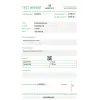
Certificate of Analysis
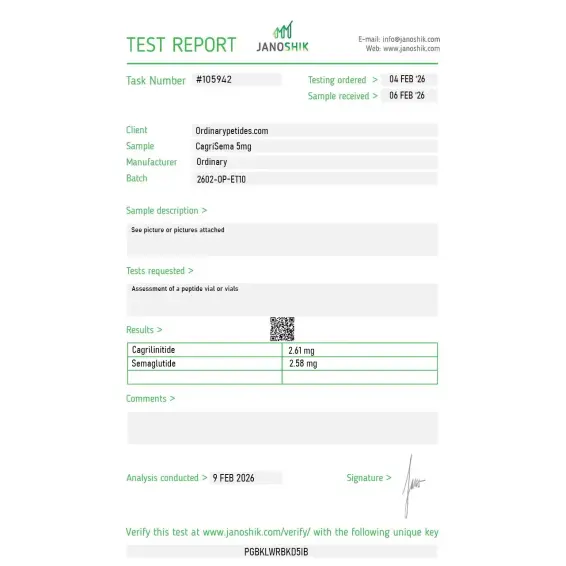
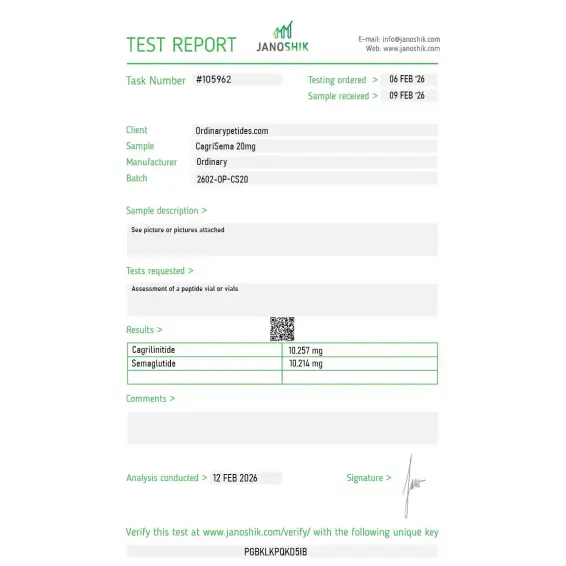
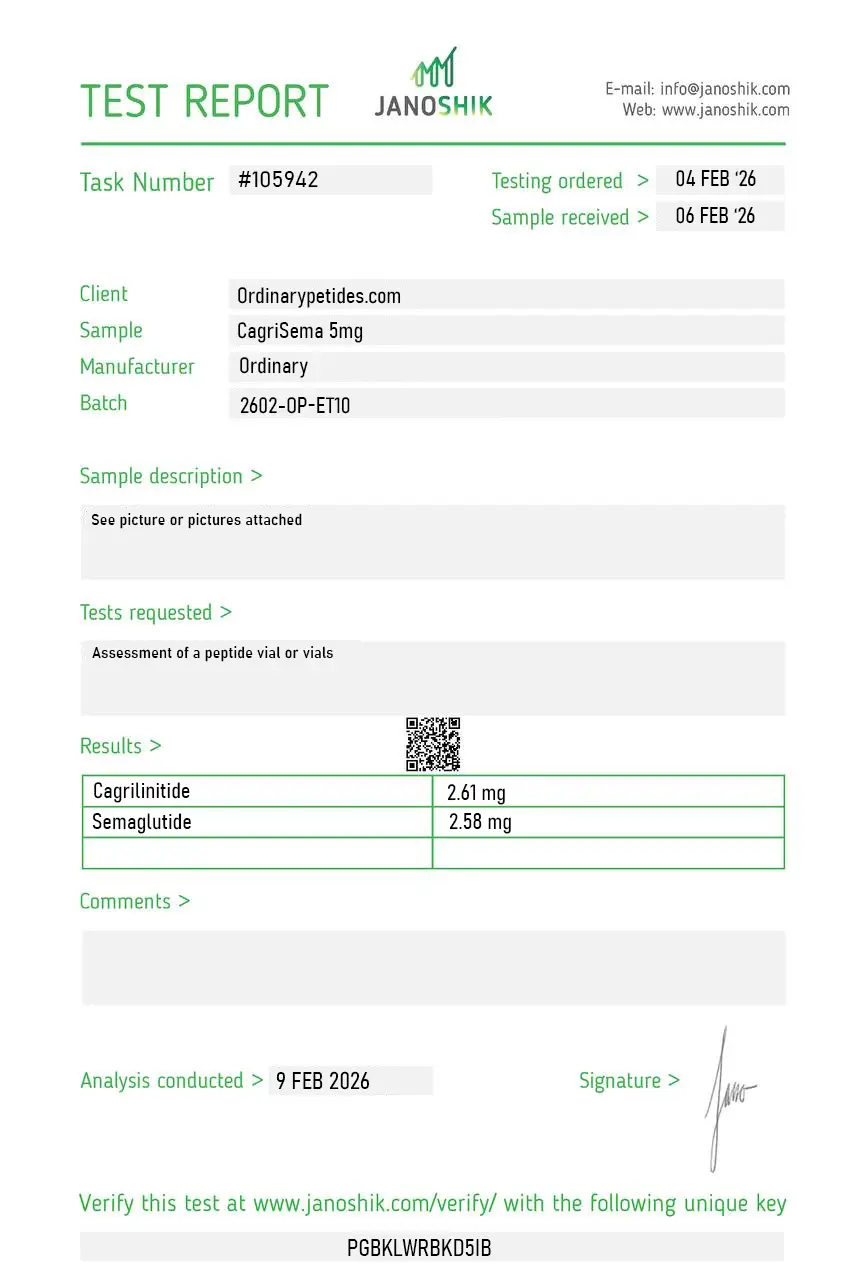
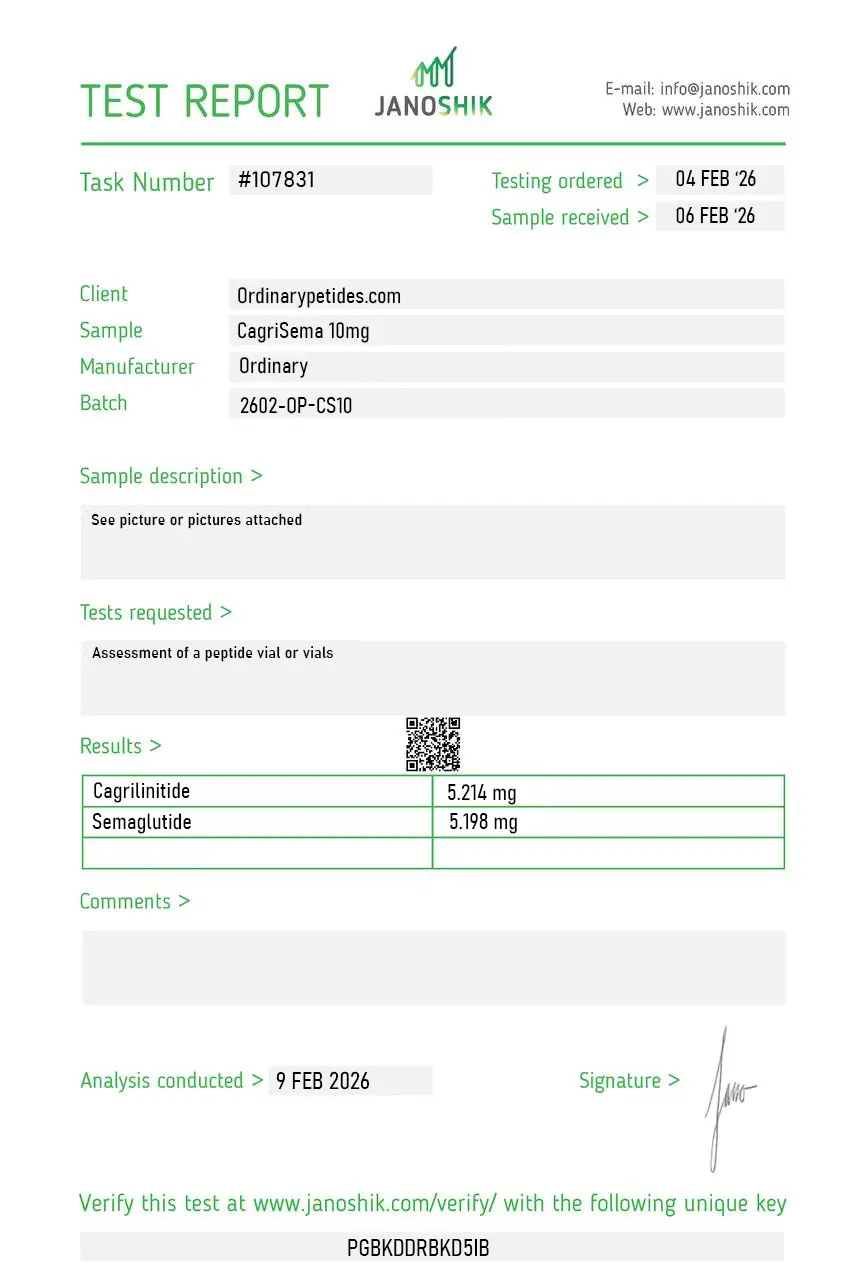
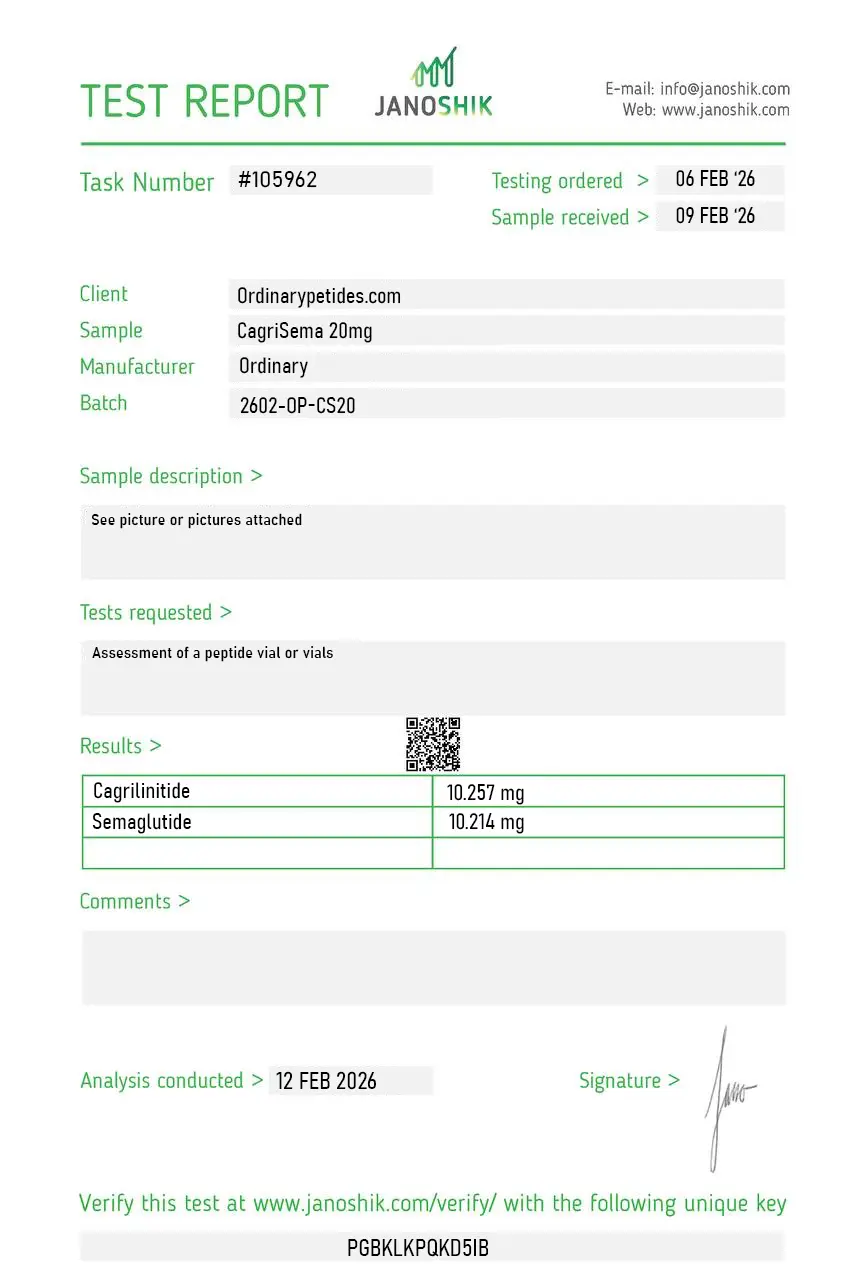
Independent test reports are available for CagriSema 5mg, 10mg, and 20mg batches. These reports provide batch-level documentation and analytical verification information for research reference.
-
2
The reason to source the co-formulation rather than the two components separately is that the fixed amylin-to-incretin ratio is itself the research object — CagriSema is the only way to study cagrilintide and semaglutide at the clinically defined ratio without introducing your own pipetting variance into the combination. For dissecting whether the amylin and GLP-1 receptor systems interact additively or synergistically at that set ratio, the pre-mixed form is the cleaner starting point. The material activated both receptor arms consistently in our parallel readouts.
What earned the order is that it treats the combination as its own pharmacology — the amylin-plus-incretin rationale stated as the two-receptor-system design it is, rather than as semaglutide with an additive. For receptor-pathway work contrasting the combination against each component alone, that framing precision is exactly what made it worth sourcing the fixed-dose form. Consistent across two orders.
CagriSema is a fixed-dose combination drug under development by Novo Nordisk that combines cagrilintide — a long-acting amylin analog — with semaglutide — a GLP-1 receptor agonist — into a single once-weekly subcutaneous injection. It is not a new molecule but rather a co-formulation of two existing investigational or approved compounds, engineered to deliver dual-pathway appetite suppression in one convenient dose. It is currently in Phase 3 clinical development under the REDEFINE trial program.
CagriSema is currently undergoing clinical development and is not yet commercially approved as a prescription medication.
CagriSema activates two distinct and complementary satiety pathways simultaneously. Semaglutide activates GLP-1 receptors in the hypothalamus — suppressing appetite, stimulating insulin secretion, reducing glucagon, and slowing gastric emptying via one set of neural circuits. Cagrilintide activates amylin and calcitonin receptors primarily in the brainstem — triggering satiety through a separate biological pathway that controls both homeostatic hunger and reward-driven eating. Because these two mechanisms operate independently and target different receptors in different brain regions, their combined effect on appetite reduction is genuinely additive rather than simply overlapping — producing significantly greater weight loss than either drug can achieve alone.
Clinical trials are evaluating whether dual-pathway activation provides enhanced metabolic outcomes compared to Semaglutide alone. Results vary depending on study design.
Clinical studies are investigating its potential role in weight-management pathways; however, it is not yet an approved treatment and remains under clinical evaluation.
It is a fixed combination of cagrilintide + semaglutide for once-weekly subcutaneous injection, developed for obesity and overweight treatment.
In REDEFINE 1, mean body-weight reduction was −20.4% versus −3.0% with placebo at week 68. That is a very strong result for a late clinical program.
Yes. REDEFINE 2 showed statistically and clinically significant body-weight reduction in adults with overweight/obesity and type 2 diabetes.
The side effect profile mirrors what is seen with semaglutide and cagrilintide individually — primarily gastrointestinal. Nausea, vomiting, constipation, diarrhea, and abdominal discomfort are the most commonly reported effects, typically mild to moderate and resolving as patients adjust through the titration schedule. Importantly, clinical trial data showed the tolerability profile of CagriSema was similar to semaglutide monotherapy — the addition of cagrilintide did not substantially worsen the side effect burden. Injection site reactions are also reported. Gallbladder complications related to rapid weight loss are a known class risk. Serious adverse events are rare.
Because it adds the amylin analogue cagrilintide to the GLP-1 component, which is intended to strengthen appetite control and weight reduction.
The most important point is that CagriSema already looks very serious from a clinical perspective, but it has not yet reached the final point of regulatory approval.
Results from the Phase 3 REDEFINE program represent some of the most impressive weight loss data ever recorded for a pharmacological intervention. In REDEFINE 1 — a trial of over 3,400 adults with obesity or overweight without type 2 diabetes — CagriSema 2.4 mg/2.4 mg achieved mean weight reductions of 20.4 to 22.7% at 68 weeks compared to 2.3 to 3.0% with placebo. Remarkably, 53.6% of CagriSema patients achieved at least 20% weight loss and 34.7% achieved at least 25% weight loss. It also significantly improved blood pressure, HbA1c, lipids, and C-reactive protein. In patients with prediabetes, 87.7% achieved normoglycemia. In REDEFINE 2 — patients with type 2 diabetes — CagriSema achieved 15.7% mean weight reduction with 73.5% reaching HbA1c of 6.5% or below. These results significantly surpassed both semaglutide monotherapy and cagrilintide monotherapy in head-to-head comparisons within the same trials.
CagriSema currently represents the most effective pharmacological weight loss option in late-stage clinical development. For context — semaglutide alone achieves roughly 15% weight loss, tirzepatide achieves up to 22.5% in its highest dose trials, and CagriSema is achieving comparable or superior results at 20 to 22.7% with broader metabolic improvements. It is approaching the territory of bariatric surgery outcomes, which typically produce 25 to 30% long-term weight loss, without surgical intervention.
CagriSema is given as a single once-weekly subcutaneous injection combining both components in one pen — a significant convenience advantage over administering them separately. Both are injected on the same day. Dosing follows a gradual titration protocol beginning at lower doses and stepping up over several weeks to minimize gastrointestinal side effects during the adjustment period. The target doses studied in Phase 3 trials are 2.4 mg cagrilintide plus 2.4 mg semaglutide once weekly.