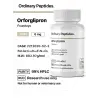
Orforglipron
For in vitro testing and laboratory use only. Not for human or animal consumption. Bodily introduction is illegal. Handle only by licensed professionals. Not a drug, food, or cosmetic. Educational use only.
Orforglipron: A Non-Peptide GLP-1 Receptor Agonist at the Crossroads of Incretin Biology, Oral Small-Molecule Pharmacology, and Metabolic Disease Research
Orforglipron, also known as LY3502970, is a synthetic small molecule best known in the field of metabolic research, where it has been studied as an orally bioavailable, non-peptide agonist of the GLP-1 receptor and linked to the biology of appetite and weight regulation. In the research context, the main interest in this compound grew out of studies reporting strong cAMP signaling with low β-arrestin recruitment, glucose-dependent insulin secretion, and reduced body weight in clinical and preclinical models. That sounds dramatic — and that is precisely why it attracts so much attention.
Published reports have also discussed its relationship with fat mass reduction, glycemic control, and slowed gastric emptying, while clinical data have connected it to a broader incretin-based therapeutic framework, including effects on HbA1c and cardiometabolic risk markers. Still, a sober filter is essential here: a compelling pharmacological story is not yet a long-term solution for everyone in pill form. If only biology were that cooperative.
What makes Orforglipron genuinely interesting is that it sits at the crossroads of metabolic research, biased GPCR signaling, and the newer tradition of oral small-molecule incretin mimetics — a class designed to overcome the bioavailability limits of peptide GLP-1 agonists. For readers who care not just about bold promises but about the actual scientific grounds for interest, this is exactly the kind of compound worth examining carefully — and without illusions.
Orforglipron: A Scientific Review of the First Oral Small-Molecule GLP-1 Receptor Agonist
Based on peer-reviewed literature, Phase 3 trial publications, and regulatory filings — see References. Last updated: May 2026.
The Short Version
Orforglipron is, in several important respects, the opposite of every compound previously covered in this review series.
The other peptides and small molecules examined here share a common pattern. Strong mechanistic story. Promising animal data. Limited or absent human trials. Murky regulatory status. Grey-market consumer access. Genuine unknowns about long-term safety.
Orforglipron breaks every part of that pattern.
It has been through a complete development program: discovery at Chugai Pharmaceutical in Japan (originally OWL833), licensing to Eli Lilly in 2018 (renamed LY3502970), structural characterization by cryo-EM published in PNAS in 2020, Phase 1 in healthy volunteers, Phase 1b in patients with type 2 diabetes, multiple Phase 2 trials, and across 2025 — five major Phase 3 trials reported positive primary endpoints. The Phase 3 ACHIEVE-1 trial in diabetes succeeded in April 2025. ATTAIN-1 in obesity succeeded with full results published in The New England Journal of Medicine in September 2025.[1] ATTAIN-2 in obesity with type 2 diabetes succeeded in August 2025. ATTAIN-MAINTAIN, demonstrating weight maintenance after switching from injectable GLP-1 agonists, succeeded in December 2025.[5]
Lilly submitted orforglipron to the FDA for obesity in December 2025. The molecule was selected for the FDA's National Priority Review Voucher pilot program. Regulatory filing for type 2 diabetes is expected in 2026. If approved, orforglipron will be the first oral small-molecule GLP-1 receptor agonist on the market — a meaningful pharmacological milestone, because every previous successful GLP-1 drug has been a peptide requiring either injection or (in the case of oral semaglutide) complex absorption-enhancing co-formulation with strict dosing restrictions.
The mechanism is the same well-established target as semaglutide and tirzepatide: the GLP-1 receptor. But orforglipron is a fundamentally different kind of molecule — a small organic compound that activates the receptor through a completely different binding mode, characterized at atomic resolution by cryo-EM.[3] It can be taken as a once-daily pill, at any time, with or without food or water. No injection. No fasting window. No absorption enhancers. This is the pharmacological problem that's been considered nearly unsolvable for the GLP-1 class for over a decade, and it appears to have been solved.
| At a glance | |
|---|---|
| Generic name | Orforglipron |
| Development codes | LY3502970 (Lilly); OWL833 (Chugai original) |
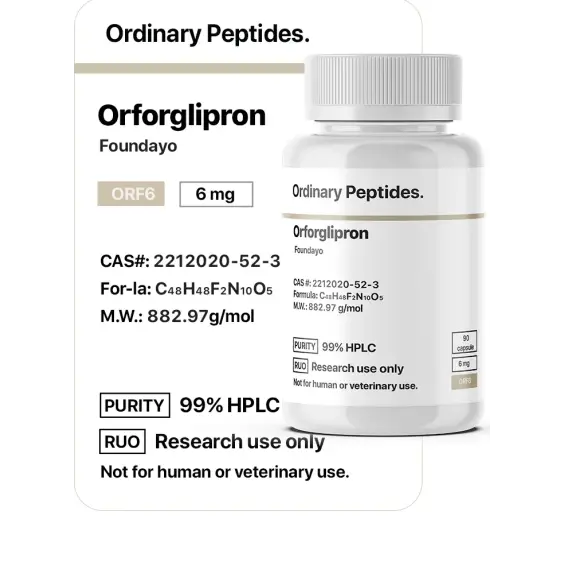
| CAS | 2212020-52-3 |
| Chemical class | Small molecule (non-peptide) |
| Mechanism | GLP-1 receptor partial agonist, G-protein biased |
| Originator | Chugai Pharmaceutical Co., Ltd. (Japan) |
| Current developer | Eli Lilly and Company (licensed 2018) |
| Half-life (humans) | 24.6–67.5 hours (steady state) — supports once-daily dosing |
| Oral bioavailability | ~79% absolute (no food/water restrictions) |
| Phase 3 doses | 6 mg, 12 mg, 36 mg once daily |
| FDA status | ✅ Submitted for obesity December 2025; under National Priority Review Voucher pilot |
| EMA status | Filing anticipated 2026 |
| Phase 3 trials reported (2025) | ACHIEVE-1, ATTAIN-1, ATTAIN-2, ATTAIN-MAINTAIN — all positive |
| Lead publication | Aronne et al., N Engl J Med, September 2025 (ATTAIN-1) |
| Maximum weight loss reported | ~12.4% at 72 weeks (36 mg, ATTAIN-1, obesity without diabetes) |
| Maximum A1C reduction | 1.3–1.6% (ACHIEVE-1, type 2 diabetes) |
Why Orforglipron Matters: The Oral GLP-1 Problem
To understand why this molecule represents a significant pharmaceutical achievement, it helps to know what the GLP-1 class has been trying to solve.
GLP-1 receptor agonists are the most clinically important new class of metabolic drugs in a generation. Semaglutide (Ozempic, Wegovy) and tirzepatide (Mounjaro, Zepbound — the latter being a dual GLP-1/GIP agonist) have produced the strongest weight loss data of any pharmaceutical class in obesity history, with tirzepatide pushing toward 22.5% weight loss at the highest dose in SURMOUNT-1. They've also produced strong cardiovascular outcomes data (SELECT for semaglutide), changing the standard of care in both type 2 diabetes and obesity. For the broader landscape of compounds investigated for metabolic regulation, see the Metabolic Research category.
But these are peptides. Peptides have an oral bioavailability problem: stomach acid and intestinal proteases destroy them, and even if you protect against that, peptides typically can't cross the intestinal epithelium efficiently to reach the bloodstream. The standard solution has been subcutaneous injection — weekly for semaglutide, weekly for tirzepatide — which works clinically but adds barriers to adherence and to access.
Oral semaglutide (Rybelsus, approved 2019) exists, but requires a complex co-formulation with SNAC (sodium N-(8-[2-hydroxybenzoyl] amino) caprylate), an absorption-enhancing agent, plus strict fasting before dosing and water-only intake for 30 minutes after. Bioavailability is poor — under 1% — and the dosing logistics are demanding.
A true oral GLP-1 agonist — one that's a small molecule, has reasonable bioavailability, doesn't require co-formulations or fasting windows, and works through the same target — has been a major pharmaceutical industry goal for years. Multiple companies (Pfizer's danuglipron, lotiglipron, others) have attempted it. Most have failed in clinical trials due to insufficient efficacy or hepatic safety signals.
Orforglipron appears to have succeeded.
Origin and Development
The Chugai discovery
The molecule was discovered at Chugai Pharmaceutical Co. (Japan) under code name OWL833. Chugai used a high-throughput screen detecting compound-induced expression of urokinase-type plasminogen activator in cells expressing the human GLP-1 receptor — essentially looking for small molecules that could turn on GLP-1R signaling without being peptides. Multiple cycles of medicinal chemistry optimization yielded OWL833.[3]
This was difficult chemistry. The GLP-1 receptor is a class B G-protein coupled receptor with a large extracellular domain (ECD), and the natural ligand (GLP-1 itself) makes contacts across both the ECD and the transmembrane region. Small molecules typically can't replicate that kind of extended binding interface, which is why most attempts to make non-peptide GLP-1 agonists had failed before. OWL833 succeeded by finding a different binding mode entirely — discussed below.
The Lilly licensing and clinical development
In 2018, Eli Lilly licensed OWL833 from Chugai, renamed it LY3502970 internally, and later assigned the generic name orforglipron. Lilly's clinical development program proceeded through:
- Phase 1a (healthy volunteers): Pratt et al., Diabetes Obes Metab, 2023. Established PK profile (half-life 24–67 hours), dose-proportional pharmacokinetics, GI side effect profile consistent with GLP-1 class, body weight reductions of up to 5.4 kg over 4 weeks.[8]
- Phase 1b (type 2 diabetes): Pratt et al., Diabetes Obes Metab, 2023. Established efficacy on glycemic endpoints in patients.[9]
- Phase 2 (multiple trials, 2022-2023): Demonstrated dose-response across diabetes and obesity, established the 36 mg high dose for Phase 3 selection.
- Phase 3 ACHIEVE program (type 2 diabetes): Five global registrational trials. ACHIEVE-1 (vs placebo) reported success April 2025. ACHIEVE-2, ACHIEVE-3, ACHIEVE-J, ACHIEVE-CV are at various stages of completion.
- Phase 3 ATTAIN program (obesity): ATTAIN-1 (obesity without diabetes) reported August 2025, published in NEJM September 2025. ATTAIN-2 (obesity with type 2 diabetes) reported August 2025. ATTAIN-MAINTAIN (weight maintenance after injectable GLP-1) reported December 2025.
Regulatory submission
Lilly submitted orforglipron to the FDA for the treatment of obesity in December 2025. The molecule was selected for the FDA's National Priority Review Voucher (NPRV) pilot program — a relatively new initiative that can accelerate review timelines for certain priority therapies. Filing for type 2 diabetes is anticipated in 2026.
Chemistry and Pharmacology
The structural insight
The most pharmacologically interesting thing about orforglipron is how it activates the GLP-1 receptor. The cryo-EM structure, published in PNAS in November 2020 (Kawai et al.), showed that the molecule binds in a fundamentally different way than the native peptide ligand.[3]
GLP-1 itself (the natural hormone) binds the receptor with its N-terminus inserted deep into the transmembrane region while the C-terminus engages the large extracellular domain. This bipartite binding mode is characteristic of class B GPCRs and is what gives full agonism.
Orforglipron binds primarily through the extracellular domain, making a key contact with Trp33 — an amino acid that is specific to primate GLP-1 receptors (a different residue is present in most other mammalian species). This species selectivity is why early preclinical work on the compound used humanized mouse models. The binding mode produces a distinct receptor conformation that's a partial agonist — it activates the receptor, but not maximally, and with bias toward G-protein signaling (cAMP production) over β-arrestin recruitment.
This biased partial agonism may be clinically meaningful. β-arrestin signaling has been associated with receptor desensitization and some side effects in other GPCR systems. G-protein-biased agonism is one of the more sophisticated concepts in modern pharmacology — designing drugs that activate specific downstream signaling pathways while avoiding others. Whether orforglipron's bias actually translates to clinical advantages over peptide GLP-1 agonists is an interesting open question that the comparative trials may eventually address.
| Property | Detail |
|---|---|
| Chemical class | Small organic molecule, biaryl scaffold |
| Mechanism | GLP-1R partial agonist; G-protein biased over β-arrestin |
| Binding site | Primarily extracellular domain (ECD); contacts Trp33 |
| Species selectivity | Active at human and primate GLP-1R; inactive at most rodent GLP-1R |
| Oral bioavailability | ~79% (Phase 1 absolute bioavailability study) |
| Food effect | None — can be taken any time, with or without food/water |
| Half-life (steady state) | 48–67 hours at therapeutic doses |
| Dosing | Once daily, no titration restrictions specific to food |
Pharmacokinetics
The PK profile is unusual and clinically advantageous. The half-life of 48–67 hours at steady state is longer than would be expected for a small molecule — it supports comfortable once-daily dosing with stable plasma levels. The 79% absolute oral bioavailability is exceptional for a small molecule activating a class B GPCR.
Critically: no food or water restrictions. Patients can take it whenever fits their day. Compare this to oral semaglutide, which requires 30+ minutes fasted with 4 oz water and no eating for another 30 minutes — a logistically demanding regimen that limits real-world adherence.
Phase 3 Clinical Evidence
This is the section that distinguishes this review from every other in the series. There is actual Phase 3 data, in large patient populations, with peer-reviewed publications.
ATTAIN-1: Obesity without diabetes
Published in The New England Journal of Medicine, September 2025 (Aronne et al.).[1]
- Design: Phase 3, randomized, double-blind, placebo-controlled
- Population: 3,127 adults with obesity, or overweight with a weight-related comorbidity, without diabetes
- Doses tested: 6 mg, 12 mg, 36 mg once daily vs placebo
- Duration: 72 weeks
- Primary endpoint: Percent body weight reduction from baseline
Results:
| Dose | Mean weight reduction (efficacy estimand) | Body weight in lbs |
|---|---|---|
| Placebo | 0.9% | 2.2 lbs |
| Orforglipron 6 mg | ~7.5% | ~16-17 lbs |
| Orforglipron 12 mg | ~9.5% | ~21 lbs |
| Orforglipron 36 mg | 12.4% | 27.3 lbs |
All three doses met the primary endpoint and all key secondary endpoints. Substantial proportions of patients achieved categorical weight loss thresholds (≥10%, ≥15%, ≥20%) at the higher doses. Waist circumference reductions, cardiometabolic risk factor improvements (blood pressure, lipids, glycemia) were observed across doses.
The discontinuation rates were 21.9% (6 mg), 22.5% (12 mg), and 24.4% (36 mg) — notably lower than the 29.9% placebo discontinuation rate, suggesting active treatment was generally well-tolerated in study conditions.[2]
ATTAIN-2: Obesity with type 2 diabetes
Reported August 2025.
- Population: Adults with obesity or overweight plus type 2 diabetes
- Outcome at 72 weeks, 36 mg dose:
- Weight reduction: 10.5% (22.9 lbs) vs 2.2% placebo
- A1C reduction: average 1.8%
- Cardiometabolic improvements: non-HDL cholesterol, systolic BP, triglycerides
Weight loss is typically lower in diabetic versus non-diabetic populations on GLP-1 therapy (a consistent class observation), and orforglipron showed the same pattern.[6]
ACHIEVE-1: Type 2 diabetes
Reported April 2025.
- Population: Adults with type 2 diabetes inadequately controlled on diet and exercise alone
- Duration: 40 weeks
- Primary endpoint: A1C reduction
- Results:
- A1C reduction: 1.3% to 1.6% across doses (baseline 8.0%)
- 65% of patients on highest dose achieved A1C ≤6.5% (below diabetes threshold)
- Weight loss: 7.9% (16 lbs) at highest dose (secondary endpoint; weight had not plateaued)[4]
Orforglipron was described in the press release as "the first small molecule GLP-1 to successfully complete a Phase 3 trial" — a regulatory and pharmaceutical milestone.
ATTAIN-MAINTAIN: Weight maintenance after injectable GLP-1
Reported December 2025. This is an unusually interesting trial design.
- Population: Participants from SURMOUNT-5 who had completed 72 weeks on injectable GLP-1 therapy (Wegovy/semaglutide or Zepbound/tirzepatide) and lost weight
- Re-randomization: To orforglipron or placebo for 52 weeks of maintenance
- Findings:
- Patients switched from Wegovy to orforglipron maintained all but 0.9 kg of their previously achieved weight loss
- Switching from injectable to oral was clinically feasible
- Discontinuation due to AEs: 4.8% (orforglipron from Wegovy), 7.2% (orforglipron from Zepbound), versus 7.6% and 6.3% on placebo[5]
This addresses a major clinical question — whether patients can transition from injectable to oral GLP-1 therapy without losing the benefits. The data suggest yes, particularly for maintenance phase.
Summary of Phase 3 effect sizes
| Endpoint | Orforglipron (highest dose) | Comparison context |
|---|---|---|
| Weight loss in obesity (72wk) | 12.4% | Semaglutide 2.4mg (Wegovy): ~14.9% at 68wk in STEP-1; Tirzepatide 15mg: ~22.5% at 72wk in SURMOUNT-1 |
| Weight loss with T2D (72wk) | 10.5% | Semaglutide in STEP-2 (T2D): ~9.6% |
| A1C reduction (40wk) | 1.3–1.6% | Semaglutide 1.0mg: ~1.5–1.6%; Tirzepatide 15mg: ~2.0–2.5% |
Honest characterization: orforglipron's efficacy is in the same general range as oral semaglutide and injectable semaglutide at moderate doses, but somewhat below the higher-end weight loss of tirzepatide. It's a meaningful efficacy result, not a class-defining one, and probably best understood as "comparable to semaglutide, less than tirzepatide" on weight loss alone — but with the major practical advantage of oral dosing without restrictions.
Safety Profile
This is where orforglipron is on much firmer ground than most compounds in this series, because the safety database is large: thousands of patients across the Phase 3 program, with detailed adverse event reporting.
Adverse event profile
The most common AEs across all Phase 3 trials are GI-related, consistent with the GLP-1 class:
- Nausea — most common
- Vomiting
- Diarrhea
- Constipation
- Decreased appetite (which is the mechanism, not strictly an AE)
These are described as generally mild-to-moderate in severity. Discontinuation rates due to AEs in ATTAIN-1 were notably low — and in fact lower than placebo, which is unusual and reflects either good tolerability or the substantial benefits keeping motivated patients on therapy despite GI effects.
What hasn't been a problem (so far)
Several safety signals that have killed other oral GLP-1 development candidates have not appeared in orforglipron's trials:
- No hepatic signal. Pfizer's danuglipron and lotiglipron were discontinued partly over hepatic safety concerns. Lilly has specifically noted "no hepatic safety signal" in ATTAIN-MAINTAIN and other trials.
- No new cardiovascular signal. Heart rate elevation in line with GLP-1 class expectations; no novel cardiovascular safety findings. For broader context, see the cardiovascular research category.
- No pancreatitis signal beyond class expectations.
- No medullary thyroid carcinoma signal (this is a theoretical class concern based on rodent C-cell studies; remains a black box warning consideration for the class but no orforglipron-specific signal).
What remains to be characterized
The trial program is large but doesn't answer every question:
- Long-term safety beyond 72 weeks. Obesity is chronic. Patients may take this drug for years. The longest trial data is ~72 weeks. Five-year safety in millions of users (once approved) will only be known post-approval.
- Cardiovascular outcomes. ACHIEVE-CV is the dedicated CV outcomes trial; results are pending. Other GLP-1 drugs have shown cardiovascular benefit (semaglutide in SELECT); whether orforglipron will replicate this is an open question.
- Specific populations: Pregnancy contraindicated; pediatric data limited; very elderly patients underrepresented in trials.
- Drug-drug interactions: As a CYP3A4 substrate, expected interactions with strong inhibitors/inducers. Detailed DDI profile will be in the prescribing information.
- Real-world adherence and durability. Trials have motivated participants in monitored settings. Real-world experience may differ.
| Safety area | Status |
|---|---|
| Phase 3 acute AE profile | ✓ Consistent with GLP-1 class; GI predominant |
| Hepatic safety | ✓ No signal across trials |
| Cardiovascular acute safety | ✓ Class-typical heart rate effect; no novel signals |
| Pancreatitis | ✓ No signal beyond class expectations |
| Medullary thyroid carcinoma (class concern) | ⚠️ Theoretical class concern; no compound-specific signal |
| Long-term safety (>72 weeks) | ❌ Not yet characterized |
| Cardiovascular outcomes | ❌ ACHIEVE-CV pending |
| Pregnancy/lactation | ❌ Contraindicated by class |
| Drug-drug interactions | ⚠️ CYP3A4-mediated; managed via prescribing information |
Comparison to Other GLP-1 Drugs
For context, here's how orforglipron sits in the competitive landscape:
| Property | Orforglipron | Semaglutide injectable (Wegovy) | Semaglutide oral (Rybelsus) | Tirzepatide (Zepbound) |
|---|---|---|---|---|
| Class | Small molecule GLP-1 agonist | Peptide GLP-1 agonist | Peptide GLP-1 agonist + SNAC | Peptide GLP-1/GIP dual agonist |
| Route | Oral pill, once daily | Subcutaneous injection, weekly | Oral, once daily fasted | Subcutaneous injection, weekly |
| Food restrictions | None | N/A | Strict fasting required | N/A |
| ~Weight loss (highest dose, 68-72wk) | ~12.4% | ~14.9% | ~9-10% | ~22.5% |
| A1C reduction | 1.3-1.6% | 1.5-1.6% | 1.0-1.4% | 2.0-2.5% |
| Manufacturing constraints | Small molecule synthesis — scalable | Peptide synthesis — capacity-limited | Peptide + SNAC | Peptide synthesis — capacity-limited |
| Cost projection (post-approval) | Expected lower than injectables | High | Moderate-high | High |
| Supply at launch | "Without supply constraints" (Lilly) | Supply-constrained at launch | Limited | Supply-constrained at launch |
The "manufacturing constraints" line is the unappreciated story. Peptide GLP-1 drugs have run into severe supply shortages — semaglutide and tirzepatide have been on shortage lists in the US for extended periods. Peptide synthesis is expensive and slow-scaling. Small molecules like orforglipron can be manufactured at scale much more readily, which is why Lilly's statement that they expect to launch "without supply constraints" is meaningful.
Common Misconceptions
"It's just like semaglutide."
Mechanistically related (same receptor target) but chemically completely different. Semaglutide is a 30-amino-acid peptide. Orforglipron is a small organic molecule. The differences in oral bioavailability, manufacturing scalability, food restrictions, and pharmacodynamic profile are substantial.
"Small molecule = less potent than peptide."
Orforglipron's clinical efficacy is similar to semaglutide and below tirzepatide on weight loss, but this isn't because it's a small molecule — it's because it's a partial agonist at the GLP-1 receptor (intentionally) and lacks the GIP component that gives tirzepatide its additional efficacy. The molecular class doesn't determine clinical potency.
"Oral GLP-1 means less effective than injection."
Oral semaglutide is somewhat less effective than injectable semaglutide due to its lower bioavailability via SNAC absorption. Orforglipron has 79% absolute oral bioavailability — it doesn't have the same constraint. The clinical efficacy supports the "oral with comparable efficacy" framing.
"It's already approved."
Not yet, as of May 2026. Submitted to FDA December 2025; review is ongoing. Selection for the National Priority Review Voucher pilot suggests potentially expedited review, but approval and approval timing are not yet determined.
"You can buy it from peptide vendors now."
You cannot. Orforglipron is not a peptide — it's a small molecule under active development by a major pharmaceutical company. The molecule is not available through "research chemical" channels, and any product claiming to be orforglipron from grey-market sources is virtually certainly mislabeled or counterfeit. Legitimate access will be via prescription following FDA approval.
Frequently Asked Questions
When will orforglipron be available?
Subject to FDA approval. Lilly submitted in December 2025 for obesity; the National Priority Review Voucher pilot may accelerate review. Type 2 diabetes filing is expected in 2026. Best-case scenario is approval in 2026; standard scenario, perhaps 2026-2027.
How does it compare to tirzepatide for weight loss?
Lower at the highest doses. Tirzepatide produced ~22.5% weight loss at 15 mg/wk in SURMOUNT-1. Orforglipron produced ~12.4% at 36 mg/day in ATTAIN-1. This difference is largely due to tirzepatide's dual GLP-1/GIP mechanism (added GIP agonism), not because tirzepatide is "better" but because they're pharmacologically different drugs. For patients prioritizing weight loss magnitude, tirzepatide remains higher. For patients prioritizing oral dosing without food restrictions, orforglipron may be preferred.
Will it be cheaper than current GLP-1 drugs?
Most likely yes. Small molecule manufacturing is fundamentally less expensive than peptide synthesis, especially at scale. List price strategy will be set by Lilly post-approval, but the underlying cost structure supports lower pricing.
Will it cause the same GI side effects as injectable GLP-1s?
Yes, in the same general profile. Nausea, vomiting, diarrhea, constipation — all present in trials, though typically mild-to-moderate. Titration schedules and food timing can help individual patients manage these.
Why was development licensed from Chugai rather than developed in-house at Lilly?
Pharmaceutical licensing is normal when one company makes a discovery that fits another company's portfolio better. Chugai found the molecule; Lilly had the GLP-1 development infrastructure (from their work on tirzepatide and earlier programs). The 2018 license made strategic sense for both.
Is there going to be a cardiovascular outcomes trial?
Yes — ACHIEVE-CV is the dedicated CVOT, ongoing. Results will be a major data point for the drug's positioning, particularly in patients with established cardiovascular disease.
Key Takeaways
- Orforglipron is the first oral small-molecule GLP-1 receptor agonist to successfully complete Phase 3 trials. This represents a meaningful pharmaceutical milestone — a target previously requiring peptide drugs and injection is now accessible as a once-daily oral pill.
- The Phase 3 program is large (>9,500 patients across ATTAIN and ACHIEVE programs combined) and uniformly positive. ATTAIN-1 results published in NEJM September 2025; ACHIEVE-1 in diabetes succeeded April 2025; ATTAIN-2 in obesity with diabetes succeeded August 2025; ATTAIN-MAINTAIN in weight maintenance succeeded December 2025.[1][4][5][6]
- Efficacy is comparable to semaglutide in similar populations — approximately 12.4% weight loss at 72 weeks at the highest dose in obesity without diabetes, 10.5% in obesity with diabetes, A1C reductions of 1.3-1.6% in type 2 diabetes.
- Efficacy is somewhat below tirzepatide for weight loss specifically — reflecting that tirzepatide adds GIP agonism, not that orforglipron is inferior within its class.
- Safety profile is consistent with the GLP-1 class — GI-predominant, manageable, with no hepatic safety signal (notable given that other oral GLP-1 development candidates have failed on hepatic safety).
- Orforglipron has been submitted to the FDA for obesity (December 2025) and was selected for the National Priority Review Voucher pilot program. Type 2 diabetes filing expected 2026.
- The molecule was discovered at Chugai Pharmaceutical (Japan) as OWL833 and licensed to Eli Lilly in 2018. The mechanism — a small molecule binding primarily through the GLP-1 receptor's extracellular domain to produce G-protein-biased partial agonism — was characterized at atomic resolution by cryo-EM in 2020.[3]
- The practical advantages — once-daily oral dosing without food restrictions, expected lower cost than peptide GLP-1s, expected better supply scalability — could substantially expand access to GLP-1 therapy if approved.
- Open questions include long-term safety beyond 72 weeks, cardiovascular outcomes (ACHIEVE-CV pending), real-world adherence and durability, and head-to-head comparisons with established injectable GLP-1 agonists.
- ⚠️ Unlike most compounds in this review series, orforglipron is not available through grey-market or research-chemical channels. Any product claiming to be orforglipron from non-pharmaceutical sources is virtually certainly mislabeled or counterfeit. Legitimate access will be via prescription following FDA approval.
Related Compounds
For the broader landscape of compounds investigated for metabolic regulation and obesity, see the Metabolic Research category. The most relevant peptide alternatives include the amylin analog cagrilintide (different mechanism: appetite via amylin signaling) and the mitochondrial-derived peptide MOTS-c (different mechanism: energy expenditure via AMPK).
References
Phase 3 trials
- Aronne LJ, Le Roux CW, et al. Orforglipron, an Oral Small-Molecule GLP-1 Receptor Agonist, in Adults with Obesity (ATTAIN-1). N Engl J Med. 2025; Published September 2025.
- ATTAIN-1 detailed results: Eli Lilly press release and EASD 2025 presentation, September 16, 2025.
- Eli Lilly and Company. ACHIEVE-1 topline results: orforglipron in type 2 diabetes. Press release, April 17, 2025.
- Eli Lilly and Company. ATTAIN-MAINTAIN topline results: orforglipron weight maintenance after injectable GLP-1. Press release, December 18, 2025.
- Eli Lilly and Company. ATTAIN-2 topline results: orforglipron in obesity with type 2 diabetes. Press release, August 26, 2025.
Mechanism and structure
- Kawai T, Sun B, Yoshino H, et al. Structural basis for GLP-1 receptor activation by LY3502970, an orally active nonpeptide agonist. Proc Natl Acad Sci USA. 2020;117(47):29959-29967. PMC7703558
Phase 1 / early development
- Pratt E, Ma X, Liu R, et al. Effect of Food Consumption on the Pharmacokinetics, Safety, and Tolerability of Once-Daily Orally Administered Orforglipron (LY3502970), a Non-peptide GLP-1 Receptor Agonist. Diabetes Ther. 2024;15(4):819-832. PMID: 38402332
- Pratt E, Ma X, Liu R, et al. Orforglipron (LY3502970), a novel, oral non-peptide GLP-1 receptor agonist: A Phase 1a, blinded, placebo-controlled, randomized, single- and multiple-ascending-dose study in healthy participants. Diabetes Obes Metab. 2023;25(9):2634-2641. doi: 10.1111/dom.15184
- Pratt E, et al. Orforglipron (LY3502970): A Phase 1b, multicentre, blinded, placebo-controlled, randomized, multiple-ascending-dose study in people with type 2 diabetes. Diabetes Obes Metab. 2023;25(9):2642-2649. doi: 10.1111/dom.15150
Reviews
- Orforglipron: A Comprehensive Review of an Oral Small-Molecule GLP-1 Receptor Agonist for Obesity and Type 2 Diabetes. Int J Mol Sci. 2026;27(3):1409.
Regulatory
- Eli Lilly and Company. SEC filings 2024-2025; FDA submission documents for orforglipron in obesity (December 2025).
- FDA National Priority Review Voucher (NPRV) pilot program documentation, 2025-2026.
Key investigators and developers
- Tomoyuki Kawai, PhD — Chugai Pharmaceutical Co., Ltd. Lead role in OWL833 discovery and structural characterization.
- Yusuke Suzuki, PhD — Chugai. Senior contributor to original medicinal chemistry program.
- Kyle W. Sloop, PhD — Eli Lilly. Senior author on key pharmacology and structural papers.
- Edward Pratt, MD — Eli Lilly. Lead investigator on Phase 1 development.
- Louis J. Aronne, MD — Weill Cornell Medicine. Lead author of ATTAIN-1 publication in NEJM.
- Eli Lilly and Company — Sponsor of all clinical trials; licensee of the molecule from Chugai since 2018.
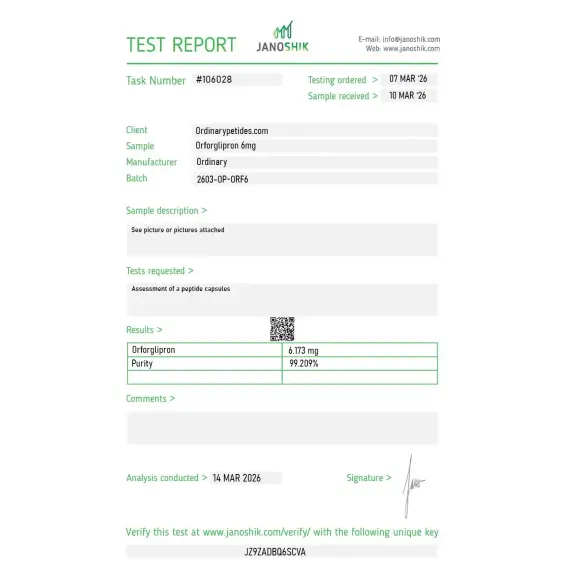
Certificate of Analysis
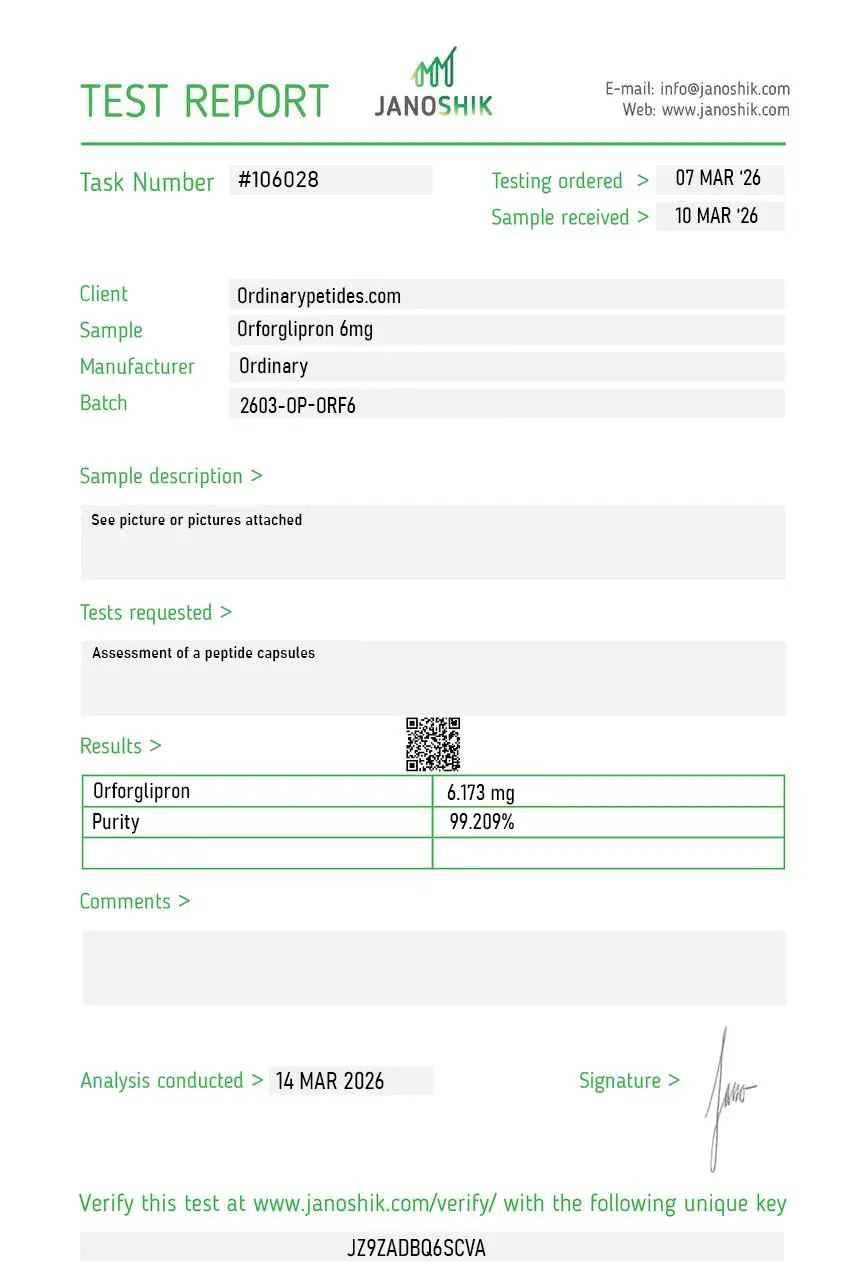
An independent test report is available for Orforglipron 6mg. This report provides batch-level documentation and analytical verification information for research reference.
Orforglipron (brand name Foundayo) is a once-daily oral small-molecule, non-peptide glucagon-like peptide-1 (GLP-1) receptor agonist developed by Eli Lilly and Company. It was originally discovered by Chugai Pharmaceutical Co., Ltd. and licensed by Lilly in 2018. The FDA approved Foundayo on April 1, 2026 for chronic weight management in adults with obesity, or adults with overweight who have at least one weight-related comorbid condition, in combination with a reduced-calorie diet and increased physical activity. This approval makes orforglipron the first FDA-approved GLP-1 pill for weight loss that carries no food or water intake restrictions — a clinically significant distinction from all prior oral GLP-1 formulations.
Orforglipron is a non-peptide small molecule that directly binds and activates the GLP-1 receptor — the same receptor targeted by injectable peptide drugs such as semaglutide (Wegovy/Ozempic) and the oral peptide semaglutide (Rybelsus). Because it is a small molecule rather than a peptide, it can be synthesized via standard pharmaceutical chemistry, is stable to digestion, and does not require the absorption-enhancing excipient formulations that oral peptide drugs depend on. GLP-1 receptor activation suppresses appetite through hypothalamic signaling, slows gastric emptying, stimulates glucose-dependent insulin secretion, and reduces glucagon release — a coordinated set of effects that reduces caloric intake and improves glycemic control simultaneously.
ATTAIN-1 (NCT05869903) was a Phase 3, 72-week, randomized, double-blind, placebo-controlled trial enrolling 3,127 adults with obesity or overweight without diabetes. Results, presented at the EASD Annual Meeting 2025 and simultaneously published in the New England Journal of Medicine, showed that all three tested doses (6 mg, 12 mg, and 36 mg) met the primary endpoint of superior body weight reduction versus placebo at 72 weeks. At the highest dose, mean weight loss was 11.2% versus 2.1% for placebo. More than 54.6% of participants on active treatment achieved at least 10% body weight reduction. Secondary endpoints including waist circumference reduction, blood pressure, and lipid profiles also improved significantly across all doses.
ATTAIN-2 (NCT05872620) was a Phase 3, 72-week, randomized, double-blind, placebo-controlled trial enrolling 1,613 adults with obesity or overweight and type 2 diabetes (HbA1c 7–10%). Results published in The Lancet in late 2025 showed dose-dependent weight loss of 5.1% to 9.6% versus 2.5% for placebo at 72 weeks. The study also demonstrated significant improvements across prespecified cardiometabolic endpoints including HbA1c reduction, blood pressure, and lipid profiles. The trial completion rate was 89.5%, indicating strong adherence throughout. A separate Phase 3 study (ACHIEVE-1, NCT05971940) published in NEJM in September 2025 confirmed significant HbA1c reduction in adults with early type 2 diabetes over 40 weeks.
The distinction is mechanistic and practical. Oral semaglutide (Rybelsus and the newly approved Wegovy pill) is a peptide drug that requires a specialized absorption-enhancing formulation (sodium N-(8-[2-hydroxybenzoyl]amino)caprylate, SNAC) to survive gastric degradation. This necessitates strict administration conditions: it must be taken on an empty stomach, with no more than 4 oz of water, followed by a 30-minute fast before eating, drinking, or taking any other medication. Orforglipron is a small molecule that is chemically stable in gastric conditions and does not rely on such formulation technology — it can be taken at any time of day without food or water restrictions. This represents a meaningful practical advantage for real-world adherence. In a head-to-head trial published in The Lancet in 2026, orforglipron delivered superior blood sugar control and weight loss compared to oral semaglutide in type 2 diabetes.
The adverse event profile in ATTAIN-1 and ATTAIN-2 was consistent with the established GLP-1 receptor agonist class. The most commonly reported adverse effects were gastrointestinal: nausea, constipation, diarrhea, vomiting, indigestion, and abdominal pain. Non-gastrointestinal adverse effects included headache and hair loss. Discontinuation rates were higher in the orforglipron arms than placebo in both trials. Deaths reported during the trials were largely adjudicated as unrelated to the study treatment. Orforglipron carries a boxed warning for potential thyroid C-cell tumors including medullary thyroid carcinoma (MTC) — the same class warning carried by all GLP-1 receptor agonists — and is contraindicated in patients with a personal or family history of MTC or multiple endocrine neoplasia syndrome type 2. Concomitant use with other GLP-1 receptor agonists is not recommended.
ATTAIN-MAINTAIN was a first-of-its-kind Phase 3 trial examining whether orforglipron could maintain weight loss after patients were switched from injectable GLP-1 therapy. Participants came from the SURMOUNT-5 trial, where they had been treated for 72 weeks with the highest tolerated doses of semaglutide (Wegovy) or tirzepatide (Zepbound), and were re-randomized to receive orforglipron or placebo for a further 52 weeks. Results announced in December 2025 showed that participants who switched to orforglipron from Wegovy maintained all but an average of 0.9 kg of their previously achieved weight loss — orforglipron met the primary and all key secondary endpoints versus placebo. This is clinically significant because it demonstrates that an oral small molecule can serve as a maintenance therapy after injectable GLP-1 induction, a pattern with potentially major implications for long-term obesity treatment pathways.
Injectable GLP-1/GIP dual agonists such as tirzepatide (Zepbound) and injectable semaglutide (Wegovy) achieve mean weight reductions of 15–22% in Phase 3 trials, with a proportion of patients reaching 25% or greater weight loss. Orforglipron's Phase 3 results demonstrated mean weight loss of approximately 11.2% at the highest dose in non-diabetic obesity — somewhat below these injectable benchmarks but substantially superior to placebo. A meta-analysis published in 2025 covering Phase 2 and Phase 3 data found significant weight reduction of up to 14.7% at 36 weeks alongside improvements in cardiometabolic markers, with efficacy described as comparable to injectable liraglutide and superior to oral semaglutide at standard doses. The oral route, manufacturing scalability as a small molecule, and absence of injection requirements are expected to significantly expand the treatment-eligible population compared to injectables.
Beyond obesity and type 2 diabetes, orforglipron is being studied across a broad range of GLP-1-relevant conditions. Active or planned research includes: obstructive sleep apnea — reflecting the established link between GLP-1 receptor activation and improvements in sleep-disordered breathing; osteoarthritis knee pain; hypertension; peripheral artery disease; and stress urinary incontinence. The expanding indication research reflects the emerging understanding that GLP-1 receptor activation has pleiotropic effects across metabolic, cardiovascular, renal, and musculoskeletal systems that extend beyond glycemic and weight endpoints. Exploratory analyses from the ATTAIN clinical program already confirmed favorable changes in blood pressure, lipid profiles, and systemic inflammatory markers, supporting the mechanistic basis for these broader research directions.
Orforglipron was reviewed under the FDA Commissioner's National Priority Voucher (CNPV) Pilot Program — a pathway distinct from traditional Priority Review. The CNPV program was designed to accelerate FDA evaluation of therapies addressing significant US public health priorities through reduced idle time and continuous sponsor-agency communication rather than a shortened review clock per se. This represented the first approval of a new molecular entity under the National Priority Voucher Program. The FDA's approval on April 1, 2026 was based on the ATTAIN Phase 3 clinical development program, which enrolled more than 4,500 participants across two registration trials. Eligible Medicare Part D patients are expected to access orforglipron at $50 per month beginning July 1, 2026. Manufacturing as a small molecule — rather than a biologic or peptide — is expected to improve supply scalability and potentially drive pricing competition in the oral obesity market relative to peptide-based alternatives.